
KUWAIT CITY — Iran’s Islamic Revolutionary Guard Corps fired a ballistic missile toward Kuwait at 04:50 a.m. local time on May 28, targeting what the IRGC described as “a U.S. airbase” in retaliation for CENTCOM strikes near Bandar Abbas. Kuwait’s air defense systems intercepted the missile. No casualties or damage were reported.
The launch was the first confirmed ballistic missile fired at a GCC state since the April 8 ceasefire — the threshold that separates post-ceasefire harassment from a return to the kinetic pattern that defined the first seven weeks of the war. CENTCOM called it an “egregious ceasefire violation.” The exchange was the second direct US-Iran kinetic confrontation in three days, following CENTCOM strikes on Iranian missile launch sites and mine-laying boats near Bandar Abbas on May 25, and came as the 14-article MOU framework remains unsigned after five rounds and 106 days of negotiations.

Table of Contents
- The CENTCOM Strikes Near Bandar Abbas
- What Did the IRGC Fire — and How Did Kuwait Stop It?
- Why Did the IRGC Cross the Ballistic Threshold?
- Saudi Arabia’s Absent Chair
- What Does Bessent’s Sanctions Warning Change?
- The MOU at 106 Days
- Background: The Ceasefire Without Enforcement
- Frequently Asked Questions
The CENTCOM Strikes Near Bandar Abbas
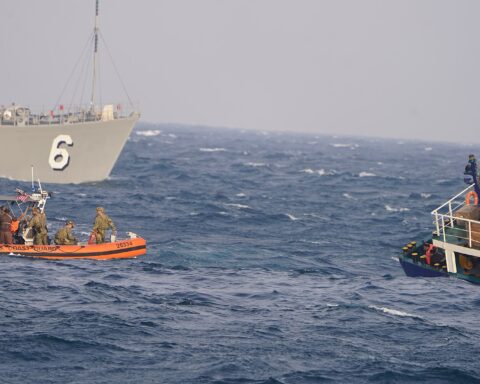
CENTCOM shot down five Iranian one-way attack drones in and near the Strait of Hormuz on May 28, then struck an Iranian ground control station near Bandar Abbas to prevent a sixth drone from launching, according to NBC News and The Hill. The operation followed standard CENTCOM threat-neutralization protocol: intercept the airborne weapons first, then destroy the launch infrastructure.
The Bandar Abbas ground control station strike was the second CENTCOM offensive action in three days. On May 25, US forces struck Iranian missile launch sites and two IRGC mine-laying fast boats near the same port — the first CENTCOM kinetic operation since the April 8 ceasefire. Captain Tim Hawkins, CENTCOM spokesperson, said the May 25 strikes were conducted “to protect our troops from threats posed by Iranian forces.”
Both sets of operations were launched from facilities on Saudi and Qatari soil, according to the Gulf International Forum. Saudi Arabia was not consulted before either. The platforms that struck Iranian targets near Bandar Abbas flew from bases that Riyadh hosts but does not operationally control — a distinction that has defined the Saudi role in CENTCOM’s air campaign since the war began.
What Did the IRGC Fire — and How Did Kuwait Stop It?
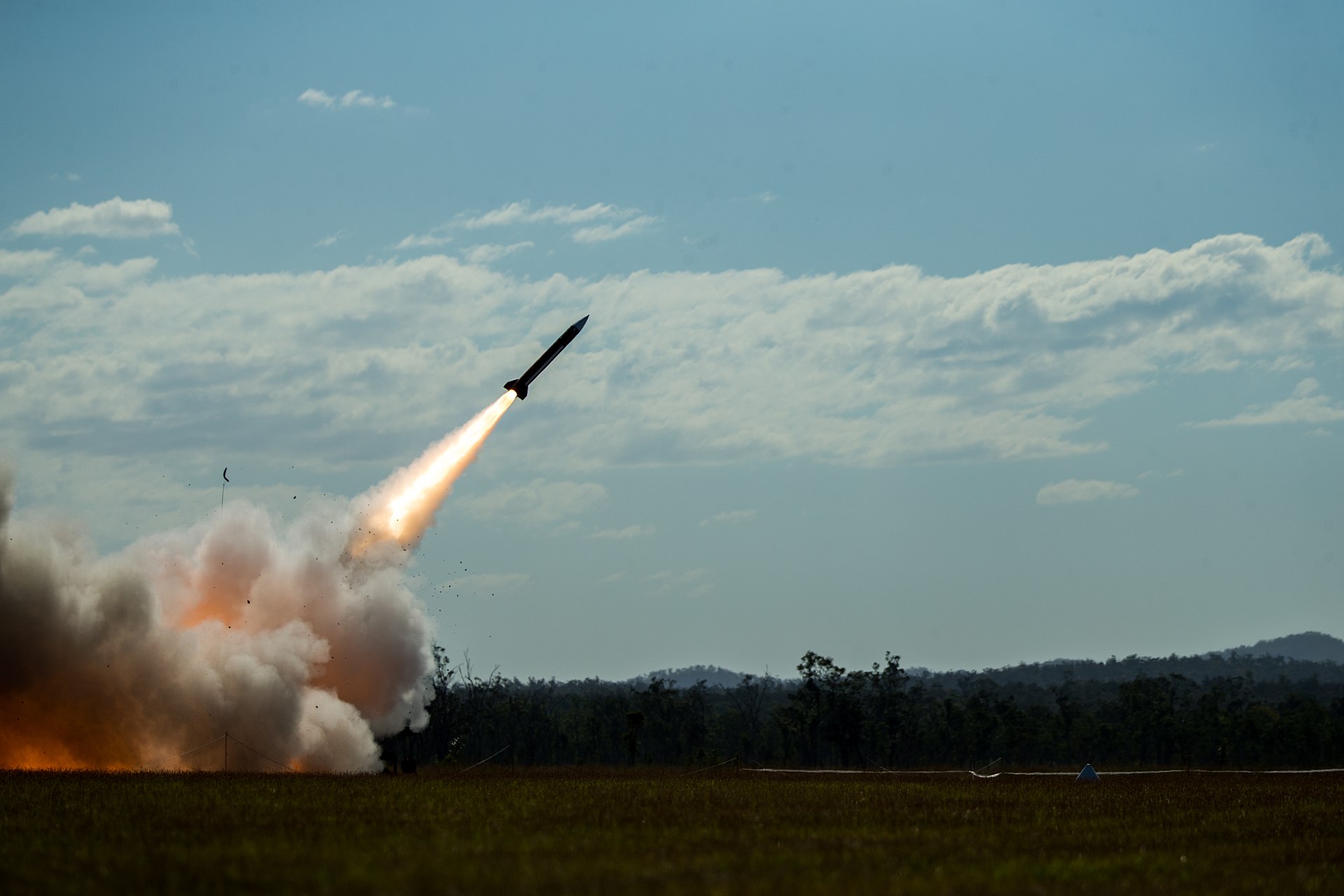
The IRGC Aerospace Force launched a ballistic missile toward Kuwait at 04:50 a.m. local time — 01:20 GMT — on May 28, according to Tasnim News Service. The IRGC statement, carried by Tasnim, said the Corps “carried out an attack on a U.S. airbase in retaliation for an incident near Bandar Abbas Airport today.” A warning was attached: “any further U.S. attacks would bring a ‘more decisive’ response and Washington would bear responsibility for the consequences.”
The Middle East briefing 3,000+ readers start their day with.
One email. Every weekday morning. Free.
The missile type is consistent with the Zolfaghar family — a Fateh-class solid-fuel short-range ballistic missile with a range of up to 700 kilometers, a 450-to-600-kilogram warhead, and road-mobile launch capability that complicates pre-emptive targeting. The IRGC Aerospace Force used Zolfaghar variants during the True Promise-4 wave strikes against US Gulf bases earlier in the conflict, according to Defence Security Asia and Army Technology.
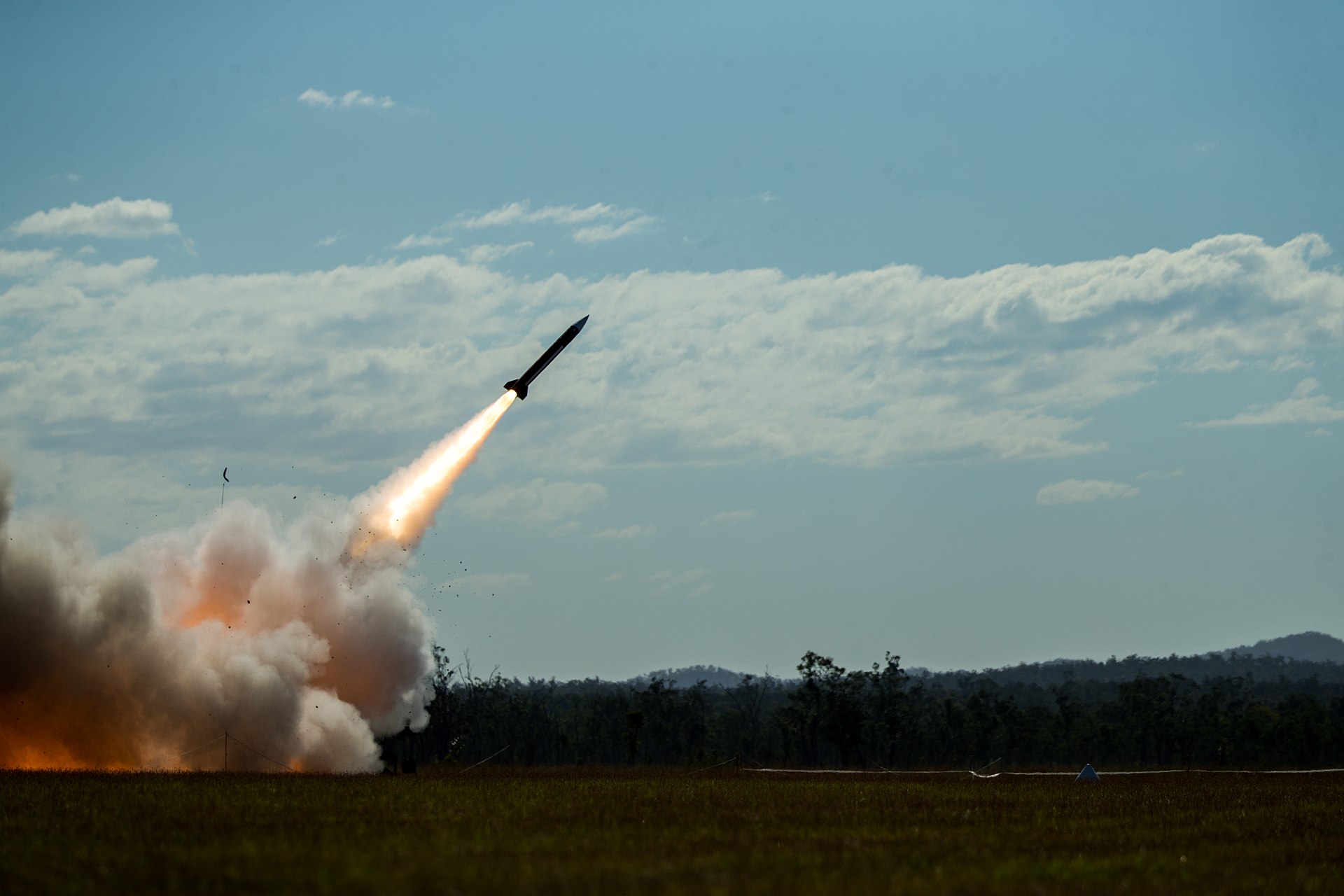
Kuwait’s air defense systems intercepted the missile, per WION News and ABC27. Kuwait’s post-ceasefire interception tally stands at 97 ballistic missiles and 283 drones, according to Kuwaiti government figures. Of the approximately 1,372 Iranian ballistic missiles launched at GCC Arab states since February 28, Kuwait has absorbed 265 over the full war — second only to the UAE’s 563, per analysis by the International Institute for Strategic Studies. Qatar received 215, Bahrain 194, and Saudi Arabia 135.
“Any further U.S. attacks would bring a ‘more decisive’ response and Washington would bear responsibility for the consequences.”
— IRGC statement via Tasnim News Service, May 28, 2026
Why Did the IRGC Cross the Ballistic Threshold?
Since the April 8 ceasefire, the IRGC had confined its post-ceasefire provocations to drone harassment and fast-boat operations in the Gulf. The May 28 launch was the first post-ceasefire ballistic missile fired at a GCC state — not another drone sent to test the ceasefire’s boundaries, but a solid-fuel weapon that travels at Mach 4 and carries a half-ton warhead.
The framing was calibrated. The IRGC described its target as “a U.S. airbase” without naming Kuwait, maintaining the operational fiction that its fire was directed at American forces rather than at a sovereign Arab state. This pattern has held throughout the ninety-day conflict: Iran strikes GCC territory while publicly addressing only the United States, declining to open a separate diplomatic confrontation with Arab governments whose soil absorbs the warheads. Iranian state media referred to the target generically as “a US base in the region.” Kuwait’s name did not appear in the IRGC statement.
The timing carried its own signal. The launch came approximately 30 hours after Eid al-Adha began on May 27, as Saudi Arabia’s nominal 96-hour Hajj no-escalation buffer — assumed rather than negotiated — was expiring. The pre-dawn launch hour follows an established IRGC pattern of striking during low-visibility windows, consistent with the Camp Buehring strikes that killed six US service members in March. Iranian state media (Tasnim) simultaneously used “generally positive” language about the ongoing MOU talks, signaling that the diplomatic channel and the missile launches operate on parallel tracks — each reinforcing the other.
Ryan Bohl, senior MENA analyst at the RANE Network, assessed the broader dynamic in March: “GCC states need to restore some kind of deterrence against the Iranians and sitting passively by and using up their air defenses won’t accomplish that.” Ninety days into the war, the interceptor inventories are measurably thinner, and the deterrence Bohl described has not materialized.
Saudi Arabia’s Absent Chair
Saudi Arabia’s Ministry of Foreign Affairs has maintained public silence since at least May 22. The ministry’s only public statement on the US-Iran negotiations — a May 20 endorsement of Trump’s “decision to give diplomacy a chance” — predates both the IRGC’s post-ceasefire ballistic missile launch at Kuwait and CENTCOM’s second strike package; the full silence record is documented here. The CENTCOM strikes that produced the IRGC retaliation were launched from Saudi and Qatari facilities without prior Saudi consultation. Riyadh hosts approximately 2,500 to 2,700 US personnel at Prince Sultan Air Base — without a Status of Forces Agreement — and has absorbed 135 Iranian ballistic missiles since the war began. It retains roughly 400 PAC-3 MSE interceptors from a pre-war stock of approximately 2,800 rounds. A $9 billion Patriot expansion was approved in January 2026, per Army Recognition, but new interceptor deliveries have not been publicly confirmed. MBS broke this operational silence on May 29, thanking Saudi military commanders at the Mina Palace Eid reception for their “efforts to defend the country” — the first royal acknowledgment of Saudi Arabia’s combat role in the ninety-one-day war.
The GCC Joint Defense Agreement, signed in 2000, has not been invoked at any point during a conflict in which Iran launched more than 2,750 projectiles at GCC member states before the ceasefire alone. The Peninsula Shield Force — 40,000 troops — has not been deployed. Sinem Cengiz, of the Gulf Studies Center at Qatar University and the Gulf International Forum, assessed the institutional failure in March: “For the first time in history, all the GCC states were targeted by the same actor within 24 hours. Their long-standing nightmare scenario has happened.”
“For the first time in history, all the GCC states were targeted by the same actor within 24 hours. Their long-standing nightmare scenario has happened.”
— Sinem Cengiz, Gulf Studies Center, Qatar University / Gulf International Forum, March 2026
Saudi Arabia was excluded from all five rounds of US-Iran MOU negotiations. It was not consulted before the CENTCOM operations that provoked the May 28 missile launch at Kuwait. It holds no seat in the UK-France coalition governing Hormuz. The CENTCOM strikes were decided without Saudi input, launched from Saudi soil, and produced Iranian retaliation against a neighboring GCC state whose air defense interceptors — not Saudi Arabia’s — absorbed the cost.
What Does Bessent’s Sanctions Warning Change?
Treasury Secretary Scott Bessent announced on May 28 that the United States would shut down Iranian airlines’ access to landing infrastructure, refueling, and ticket sales as a punitive response to the IRGC missile launch. Separately, Bessent warned that nations paying Iran’s Persian Gulf Security Administration transit fees — approximately $2 million per vessel since the PGSA became operational on May 18 — risk US sanctions exposure. “Providing support to and receiving services from” the IRGC, Bessent said, may leave nations “exposed to sanctions risk,” per CBS News.
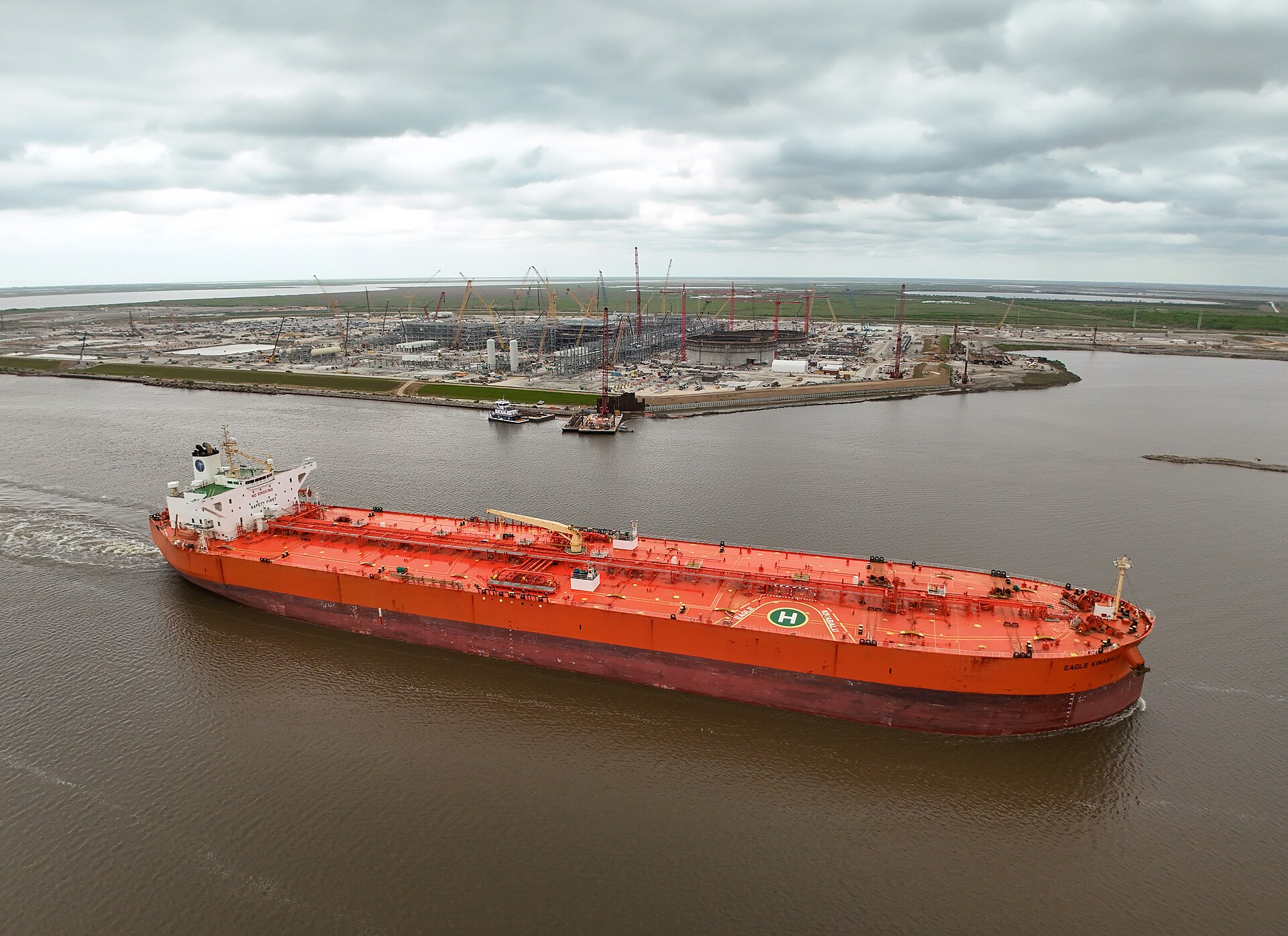
The warning creates a compliance trap with no clean exit. Nations that pay the PGSA toll face potential US financial penalties. Nations that refuse face Iranian obstruction at the Strait of Hormuz. Saudi Arabia now routes approximately 5 million barrels per day through the East-West Pipeline to Red Sea terminals, but remains Hormuz-dependent for the balance of its crude exports and for nearly all of its Gulf-facing petrochemical and LNG trade. Iran has framed Hormuz as the “objective guarantee” of any nuclear agreement, tying the toll regime’s duration to the MOU’s failure to close.
Ten Qatari LNG tankers remain blocked at the strait as of late May. The compliance dilemma is sharpest for states that depend on daily Hormuz transit and cannot afford designation as material supporters of the IRGC — a category that now includes most of the GCC.
The MOU at 106 Days
The ballistic missile exchange occurred while the 14-article US-Iran MOU framework remains unsigned. The core sequencing deadlock has not moved: the United States insists that Iran open the Strait of Hormuz before sanctions relief; Iran insists on the release of $24 billion in frozen assets first. Round 6 has no confirmed date. Iran’s chief negotiator left Doha on Arafah Day without signing.
President Trump, at a Cabinet meeting on May 27, said Iran was “negotiating on fumes” and left open the possibility of ordering US forces to “go back and finish it,” while insisting midterm elections would not affect his war timeline, per CBS News and NPR. The IRGC’s formal designation of the CENTCOM Bandar Abbas strike as a “grave violation” runs on a parallel institutional track to the Foreign Ministry’s continued engagement with American negotiators — a dual-command structure in which the missile force and the diplomatic corps operate on different clocks.
This is Day 90 of a conflict that began with Operation Epic Fury on February 28, 2026. The ceasefire that was meant to hold while negotiators worked is now absorbing ballistic missile fire from the same force that Iran’s foreign ministry says is committed to talks.
Background: The Ceasefire Without Enforcement
The April 8 ceasefire was the first formal halt to hostilities after Operation Epic Fury — the US-Israeli strikes that killed Supreme Leader Khamenei on February 28, 2026. The ceasefire agreement contained no enforcement mechanism, no geographic carve-out preventing IRGC harassment operations, and no provision for automatic escalation penalties. Compliance was, from the outset, voluntary and unmonitored.
Prior to May 28, the last confirmed IRGC ballistic missile strike at a Kuwaiti base occurred on February 28, 2026, targeting Ali Al-Salem Air Base before the ceasefire. Kuwait intercepted that wave. Camp Buehring was struck in March — killing six US service members — and struck again in late May. The progression from drone harassment to ballistic missile launch in the post-ceasefire period took seven weeks.
The 1987 parallel runs close. During Operation Earnest Will, the United States reflagged Kuwaiti tankers to deter Iranian harassment in the same waters now governed by the PGSA toll regime. Kuwait accepted direct US military protection then without Saudi Arabia’s operational involvement. Thirty-nine years later, Kuwait is again intercepting Iranian missiles fired at American facilities on its territory, and the CENTCOM decisions that trigger each cycle of IRGC retaliation are made without Saudi consultation — from bases on Saudi soil, producing consequences absorbed by Saudi Arabia’s neighbors and charged against their interceptor stocks, not Riyadh’s.
Frequently Asked Questions
How many US military personnel are stationed in Kuwait?
The United States maintains approximately 13,500 military personnel in Kuwait, primarily at Camp Buehring (Army) and Ali Al-Salem Air Base (Air Force), under a bilateral defense cooperation agreement signed in 1991 and renewed multiple times. This is the largest US military footprint in any GCC state except Qatar’s Al Udeid Air Base. Unlike the US presence at Saudi Arabia’s Prince Sultan Air Base, the Kuwait deployment operates under a formal Status of Forces Agreement, giving it clearer legal standing — but also making US facilities fixed, visible targets that the IRGC has struck repeatedly since February.
What air defense system intercepted the missile?
Kuwait operates the MIM-104 Patriot PAC-3 system, procured from the United States, as its primary ballistic missile defense platform. Kuwait also deploys Hawk and Avenger systems for short-range air defense against drones and cruise missiles. The post-ceasefire interception rate exceeds 95 percent for ballistic missiles, though official Kuwaiti figures do not separately publish intercept-to-launch ratios. The sustained interception burden is consuming PAC-3 MSE rounds at a rate that US defense industry production lines were not designed to replenish during an active conflict.
Has the GCC Joint Defense Agreement ever been invoked?
No. The GCC Joint Defense Agreement, signed in 2000, has never been formally invoked — not during the current conflict and not at any prior point. Iran has launched approximately 1,372 ballistic missiles and thousands of drones at GCC member states since February 28, 2026, according to the International Institute for Strategic Studies. The Peninsula Shield Force, a 40,000-strong joint GCC military unit, has not been deployed. The agreement lacks an automatic-trigger mechanism comparable to NATO’s Article 5; invocation requires a political decision by GCC heads of state, and no member government has formally requested it.
What is the PGSA and when did it become operational?
The Persian Gulf Security Administration is an IRGC-operated toll regime that began collecting transit fees at the Strait of Hormuz on May 18, 2026. Vessels transiting the strait are charged approximately $2 million per passage. The PGSA was established unilaterally by Iran without international legal authorization, and the IRGC has enforced compliance through interdiction and obstruction of non-paying vessels. Treasury Secretary Scott Bessent’s May 28 warning that nations paying PGSA fees risk US sanctions exposure has introduced a secondary compliance risk for shipping companies and sovereign states that had been paying the toll to maintain commercial transit.
The Zolfaghar strike was the opening salvo of a sustained 24-hour barrage. Kuwait absorbed 35 strikes — nine missiles and 26 drones — in the hours that followed, as the IRGC escalated to its most concentrated single-day campaign against the country since the conflict began.
The Zolfaghar strike and the barrage that followed triggered the GCC’s first individual self-defense notice under UNSC Resolution 2817 — Kuwait invoking Article 51 of the UN Charter alone, without a single Gulf partner willing to co-sign, a legal isolation that mirrored the military isolation Kuwait had already experienced on the ground.