
WASHINGTON — President Donald Trump told supporters at an Iowa rally on Sunday that the United States may have to “give them the hammer” if Iran refuses a deal, hours after Secretary of State Marco Rubio said that Trump had not decided on military action and would prefer a peaceful resolution. The split signal — force and diplomacy broadcast on the same day — landed less than 48 hours before the November 3 midterm elections, when Trump’s self-imposed moratorium on striking Iran is set to lapse.
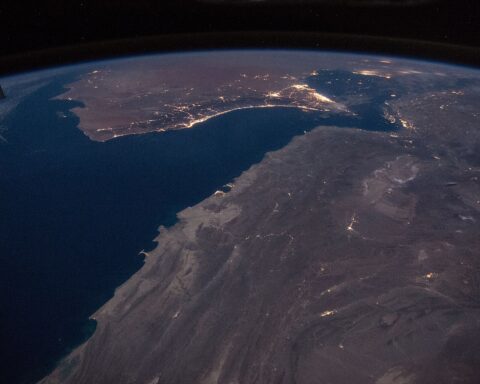
The stakes for Saudi Arabia are immediate. A US strike risks Iranian retaliation against Gulf oil infrastructure at a time when Saudi crude exports have already been severely constrained by blockade and pipeline disruptions, and the Strait of Hormuz remains effectively closed. Continued diplomacy, on the other hand, leaves the blockade in place with no resolution in sight. Riyadh has made no public comment on either Trump’s threat or Rubio’s peace signal.
The House of Saud Daily Briefing
Saudi Arabia's news in 3 minutes, every morning. Free. See today's issue
Table of Contents
What Did Trump Say About Iran at the Iowa Rally?
Trump addressed supporters in Iowa on Sunday, November 1, two days before midterm elections in which Republican control of the House is at stake. He framed his approach to Iran as restraint with a limit. “The only reason why I’m not finished with Iran is I want to be nice. I want to try and save all those lives if I can,” Trump said, according to Anadolu Agency. “But at some point we’re going to have to give them the hammer.”
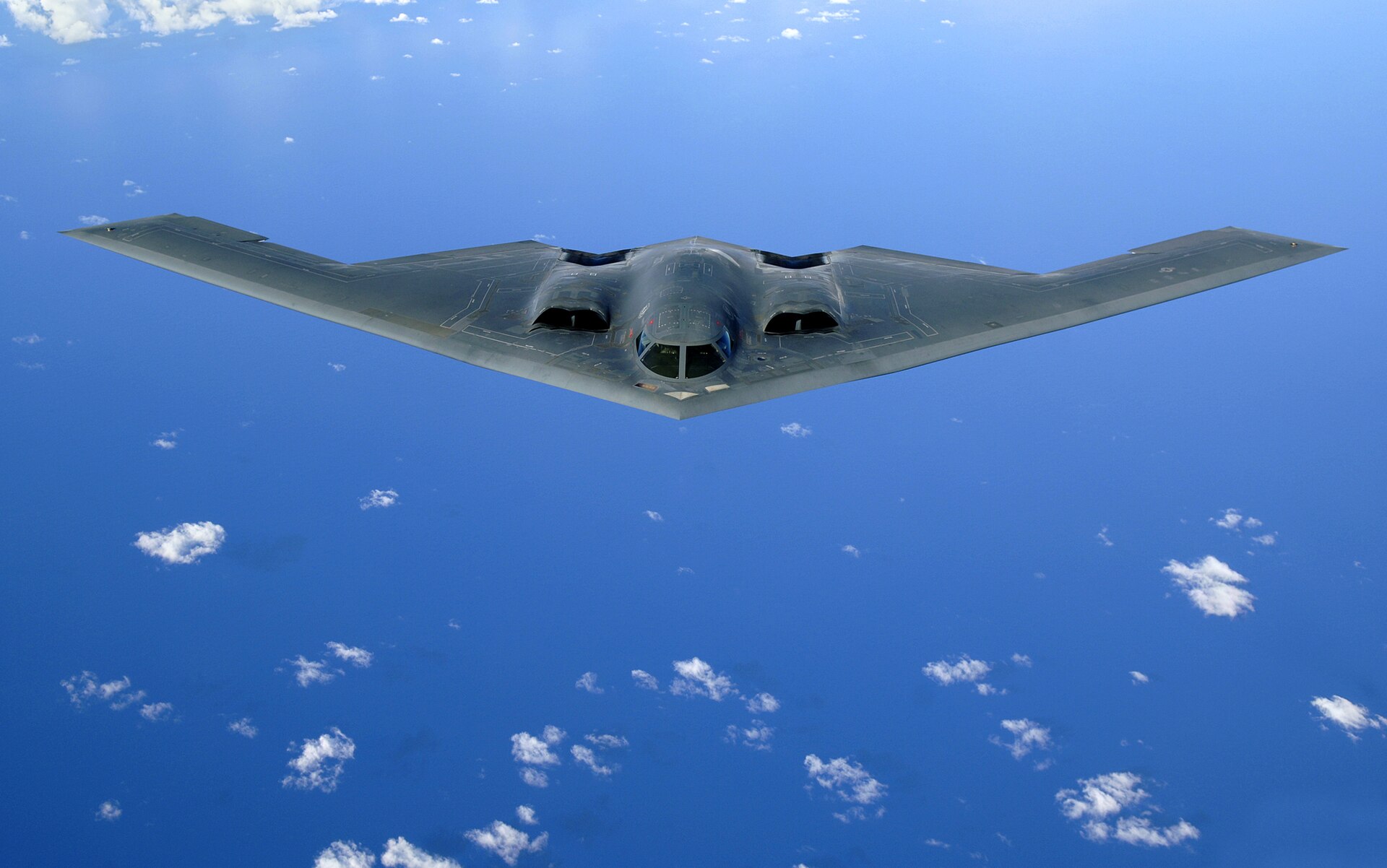
He went further in describing what US military action might look like. “We still have to take care of, I would say one or two sites, but we can do that in 10 minutes,” Trump told the crowd, according to France 24, citing AFP. He named one target as “Pickaxe Mountain,” described in reports as a suspected underground nuclear facility in Isfahan province. No US government primary confirmation of the site’s name has been found.
On the economic costs of military action, Trump was dismissive. He called higher oil prices “a very small price to pay” for security, according to Gulf News. Brent crude has traded above $100 a barrel for weeks amid the Hormuz blockade and continuing tanker attacks in the strait.
In a separate interview with Right Side Broadcasting Network, Trump struck a more ambiguous note. “We’ve had such a victory, and we’ll put it away very soon, one way or the other,” he said, according to CNBC. The phrase “one way or the other” left open whether “putting it away” meant a deal or a bombing campaign — and the ambiguity appeared deliberate, delivered to a national broadcast audience the evening before voters go to the polls.
Rubio’s Parallel Message
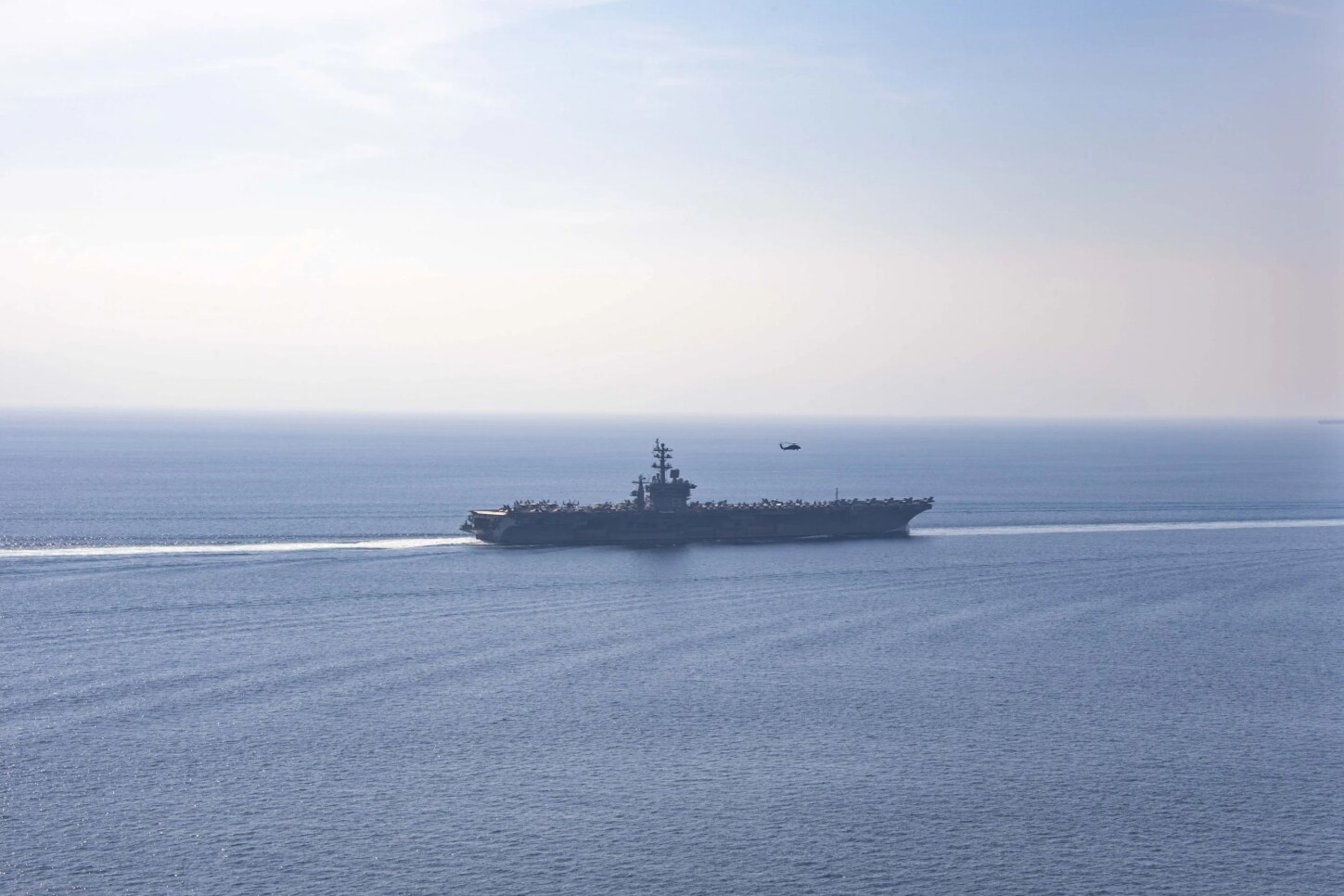
Within hours of Trump’s rally remarks, Rubio offered a markedly different register. The secretary of state said Trump had not made a decision on military action but had “incredible confidence” in the US military option, according to CNBC. Rubio said the administration would prefer a peaceful outcome. “We would prefer to do it peacefully,” he told reporters, according to CNBC.
The pairing was not accidental. Trump has used the same dual-track approach since the conflict began on February 28 — threatening force publicly while allowing diplomatic channels to remain open. On October 8, he posted on Truth Social that the United States “will not be attacking Iran at any time prior to the Midterm Elections to be held in the United States on November 3rd,” according to the Washington Post. That moratorium carries no formal legal mechanism. It expires when Trump says it does.
The timing of Rubio’s remarks had a measurable effect on markets. Brent crude fell approximately 6.4 percent to around $106 a barrel on Monday after the secretary of state’s comments, according to Reuters. Traders read the peace signal as the dominant one — at least for now.
Axios reported separately that Israeli Prime Minister Benjamin Netanyahu has been pressing Trump to launch strikes on Iran immediately after Tuesday’s midterm elections, while Trump favoured letting the latest negotiations play out, according to Iran International citing Axios.
How Did Iran Respond to the Threat?
Tehran responded through four distinct channels on November 1 and 2, each calibrated to a different audience. The military, the Islamic Revolutionary Guard Corps, the foreign ministry, and the supreme leader’s office all issued statements within a 24-hour window.
Iran’s army spokesman Mohammad Akraminia said on state television that “a potential future war could last longer than previous conflict,” according to France 24, citing AFP. IRGC spokesman Hossein Mohebbi, echoing Supreme Leader Mojtaba Khamenei, said “in a conflict with America, there are no geographical limitations” — language that places Saudi Arabia and other US partners explicitly within range.
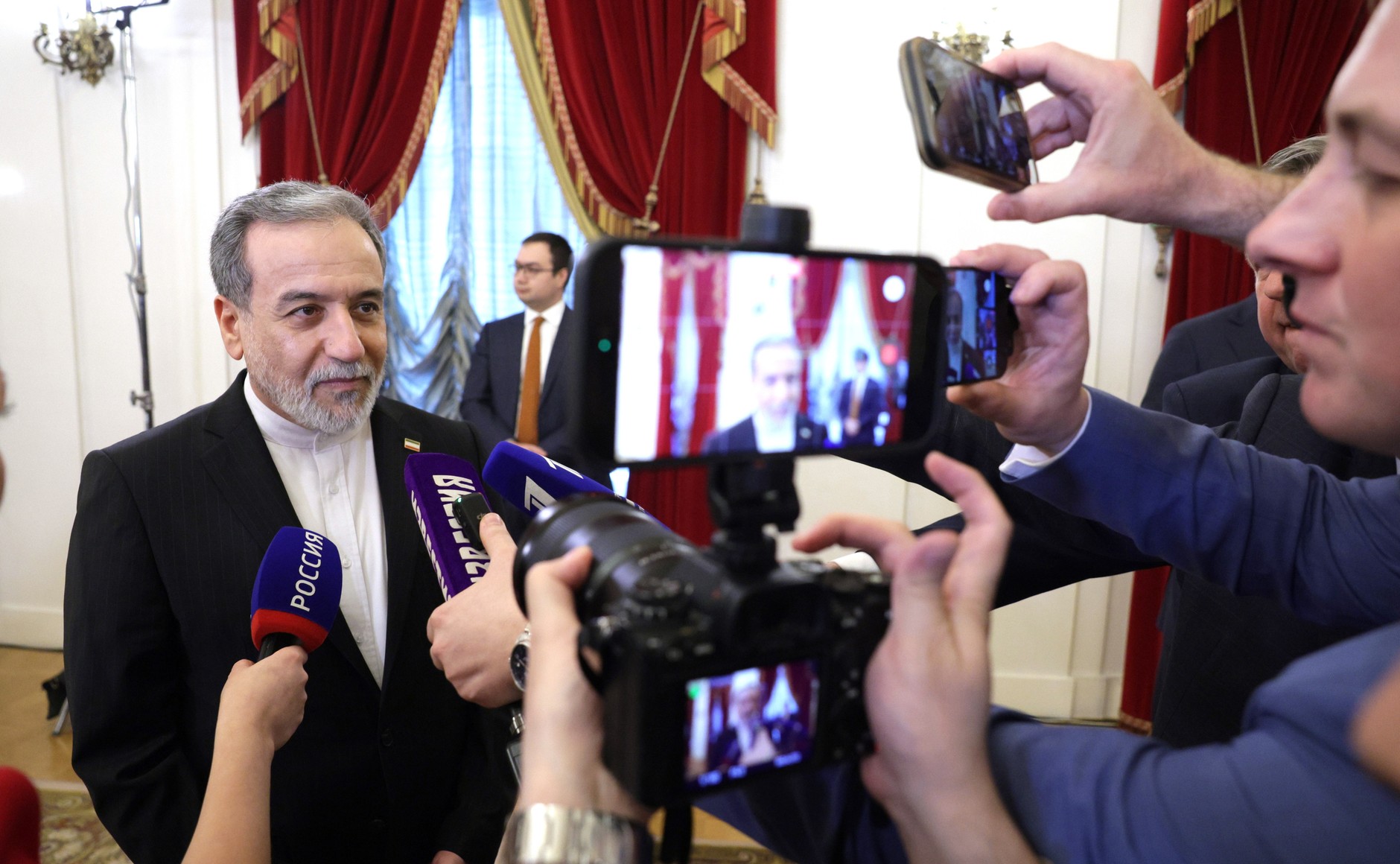
Foreign Minister Abbas Araghchi warned that any renewed US attack would bring a response “far harsher and more regretful than before,” and said “now everything depends on how much political rationality prevails on the American side,” according to Gulf News. Foreign ministry spokesman Esmail Baqaei said “the ball is in America’s court” and that Iran would not reopen or secure the Strait of Hormuz until the US naval blockade ends.
First Vice President Mohammad Reza Aref struck a defiant tone. “Our enemy failed to achieve any of its objectives in the last two wars,” he said, according to Gulf News.
At the top of the chain, Khamenei had already ordered the armed forces to meet threats with “an immediate, geographically unrestricted response” and directed the military to update its target database so that “all kinds of physical and non-physical assets of the U.S.-Zionist enemy are brought within the reach of the Armed Forces,” according to CNBC. That order, first reported on October 31, set the operational context for Iran’s public messaging over the weekend.
What Does This Mean for Saudi Arabia?
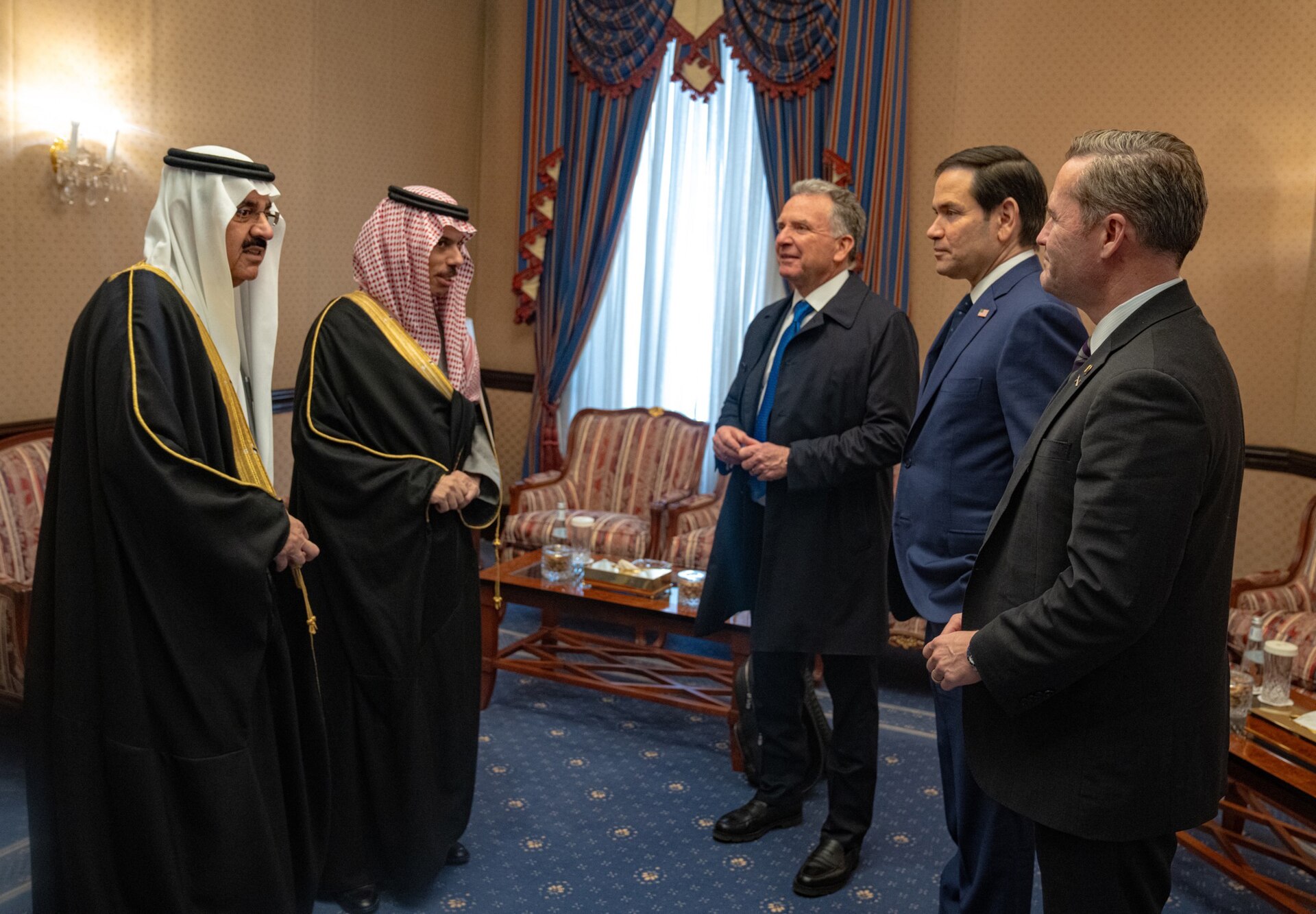
Saudi Arabia has been publicly silent on both Trump’s threat and Rubio’s peace signal. The kingdom’s most recent public statement on the broader conflict came from Vice Foreign Minister Waleed ElKhereiji at the Bahrain Manama Dialogue on October 31, where he said efforts were under way to prevent military escalation and reach an agreement ending the conflict with Iran, according to a Fox News live blog.
Behind closed doors, Riyadh’s position has been more defined. Saudi Arabia privately asked the Trump administration to give diplomacy a chance before launching strikes, according to Axios, which reported in August that Crown Prince Mohammed bin Salman raised the issue directly with Trump. Separately, Saudi Arabia relayed a request to Iran not to target Saudi oil infrastructure if conflict resumed, according to the Jerusalem Post.
The kingdom’s caution reflects the arithmetic of its exposure. Saudi Arabia faces divergent scenarios depending on whether Washington chooses strikes or continued diplomacy. A US attack on Iranian nuclear sites could trigger Iranian retaliation against Saudi oil facilities — a pattern Mohebbi’s “no geographical limitations” language explicitly signals. Yet the alternative, a prolonged Hormuz blockade, has already degraded Saudi export capacity. The IRGC declared the strait closed on October 26, resuming a blockade originally imposed in April. Before the war, approximately 138 ships transited Hormuz daily, according to the US Navy’s Joint Maritime Information Center.
OPEC+ held December output targets unchanged at its November 1 meeting, a decision that reflected the supply constraints already imposed by the Hormuz closure rather than any voluntary restraint.
The UAE’s diplomatic adviser Anwar Gargash offered the most candid Gulf assessment. The UAE hopes for a breakthrough but is “braced for the worst,” he said, according to France 24, citing AFP.
Diplomatic Channels Remain Open
For all the military rhetoric, the diplomatic track has not collapsed. Mohsen Rezaei, secretary of Iran’s Supreme National Security Council, told reporters he had received a diplomatic letter from US Vice President JD Vance seeking to revive talks but had not yet responded, according to France 24, citing AFP.
Qatari-mediated talks continued over the weekend, with Araghchi confirming a delegation met Qatari mediators to discuss reopening Hormuz, according to CNBC. The talks build on Araghchi’s earlier proposals, each of which the US has rejected. Iran said on Saturday that the IRGC had claimed two tanker mine strikes in the strait, underscoring that Hormuz remains an active conflict zone even as diplomats talk.
The convergence point is November 3. The moratorium, the midterm elections, Netanyahu’s reported pressure for strikes, and the Qatari-mediated talks all reach a decision node on the same day. What Trump does on Wednesday will determine whether Saudi Arabia’s worst-case scenario — a full regional war in which its oil infrastructure becomes a target — materialises, or whether the slow economic bleed of the blockade continues into its fifth month.
The conflict, now in its ninth month, has already reshaped Gulf commerce. CENTCOM had reported at least 135 ships turned around since the blockade began, according to CBS News in early October. Iran’s Araghchi submitted a seven-day roadmap to Qatar on September 25 calling for the strait to reopen in exchange for sanctions waivers and the release of approximately $12 billion in frozen assets, according to Al Jazeera. Trump rejected it. Iran then offered a two-day window, which the US also declined. Each failed round has narrowed the diplomatic space available after November 3.
Frequently Asked Questions
What is the moratorium on US strikes against Iran?
On October 8, Trump posted on Truth Social that the United States “will not be attacking Iran at any time prior to the Midterm Elections to be held in the United States on November 3rd,” according to the Washington Post. The moratorium is an informal, self-imposed pledge with no legal mechanism or procedural expiry. It is not an executive order and carries no binding force beyond Trump’s word. The Wall Street Journal reported at the time that Trump expected renewed military action after the midterms.
When did the current US-Iran conflict begin?
The conflict began on February 28, 2026, with coordinated US and Israeli strikes on Iranian targets. The Supreme Leader at the time, Ali Khamenei, was killed in the strikes. His son Mojtaba Khamenei was appointed Supreme Leader by the Assembly of Experts on March 8. Iran retaliated with missile and drone strikes, and the IRGC began interfering with commercial shipping in the Strait of Hormuz in April, escalating to a full declared closure on October 26.
What is ‘Pickaxe Mountain’?
Trump named “Pickaxe Mountain” at the Iowa rally as one of “one or two” remaining targets. Reports describe it as a suspected underground nuclear facility in Isfahan province. No US government primary confirmation of the name has been found, and the Pentagon has not publicly confirmed or denied the characterisation. Trump said the sites could be dealt with “in 10 minutes,” according to France 24, citing AFP.
How has the conflict affected oil markets?
Brent crude has traded above $100 a barrel for weeks. The Hormuz blockade, first imposed in April 2026 and resumed on October 26, has removed a substantial volume of Gulf oil from seaborne trade. Insurance premiums for tanker voyages through the strait have risen to 6 to 10 percent of hull value, according to brokers cited by the Financial Times in October, making many transits commercially unviable even when physically possible.
Has any Gulf state publicly responded to Trump’s ‘hammer’ remarks?
No Gulf state issued a direct public response to Trump’s Iowa rally remarks as of Monday evening. Bahrain, Kuwait, and Qatar have not issued any public statement on the specific remarks. Both the UAE and Saudi Arabia had made their most recent public comments before the Iowa rally — on de-escalation and diplomacy generally — and neither updated their positions after Trump’s remarks.
The House of Saud Daily Briefing
Saudi Arabia's news in 3 minutes, every morning. Free. See today's issue