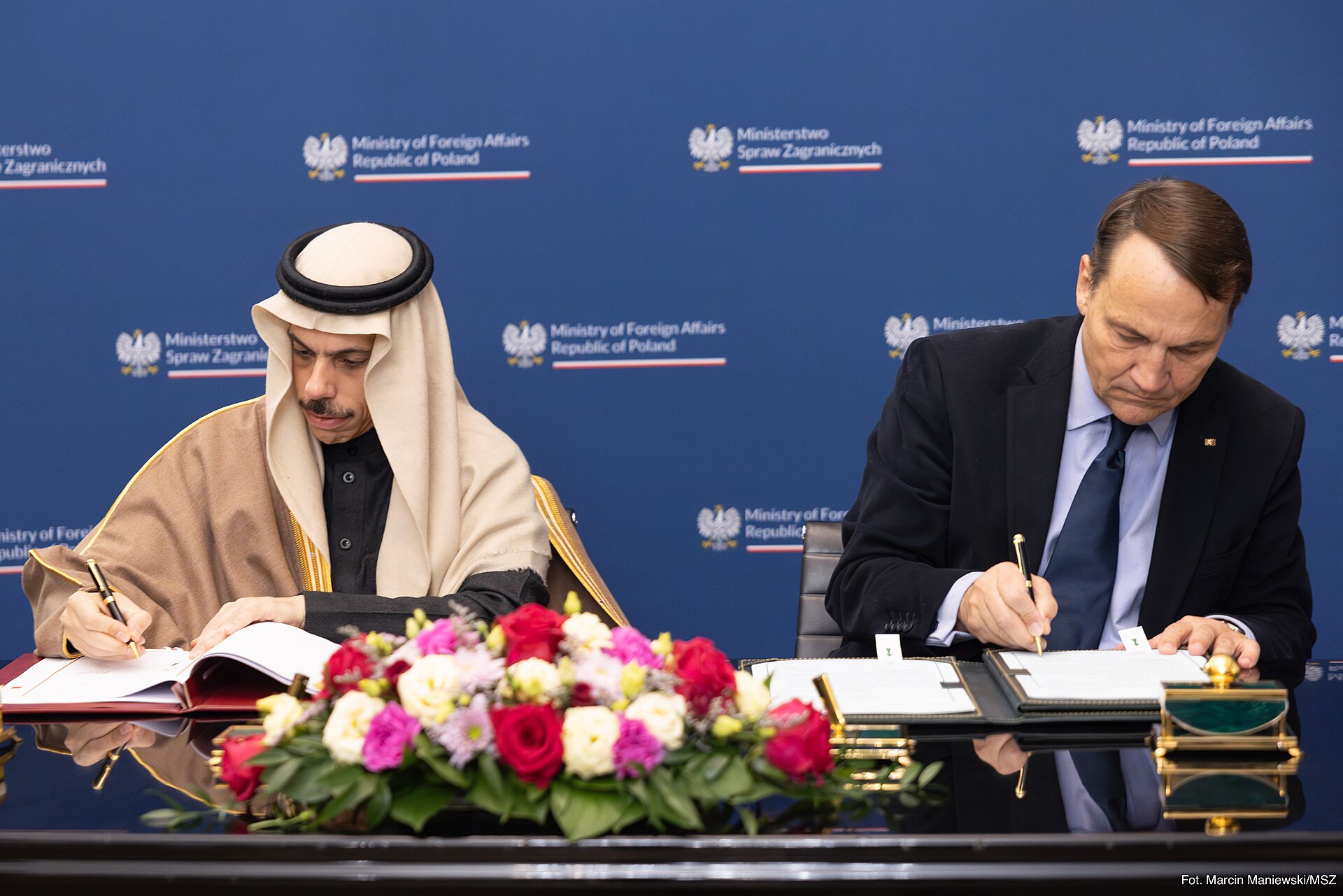
BRUSSELS — Saudi Foreign Minister Prince Faisal bin Farhan arrived in Brussels on November 14 to attend the European Union Foreign Affairs Council meeting on November 16, the Saudi Press Agency reported.
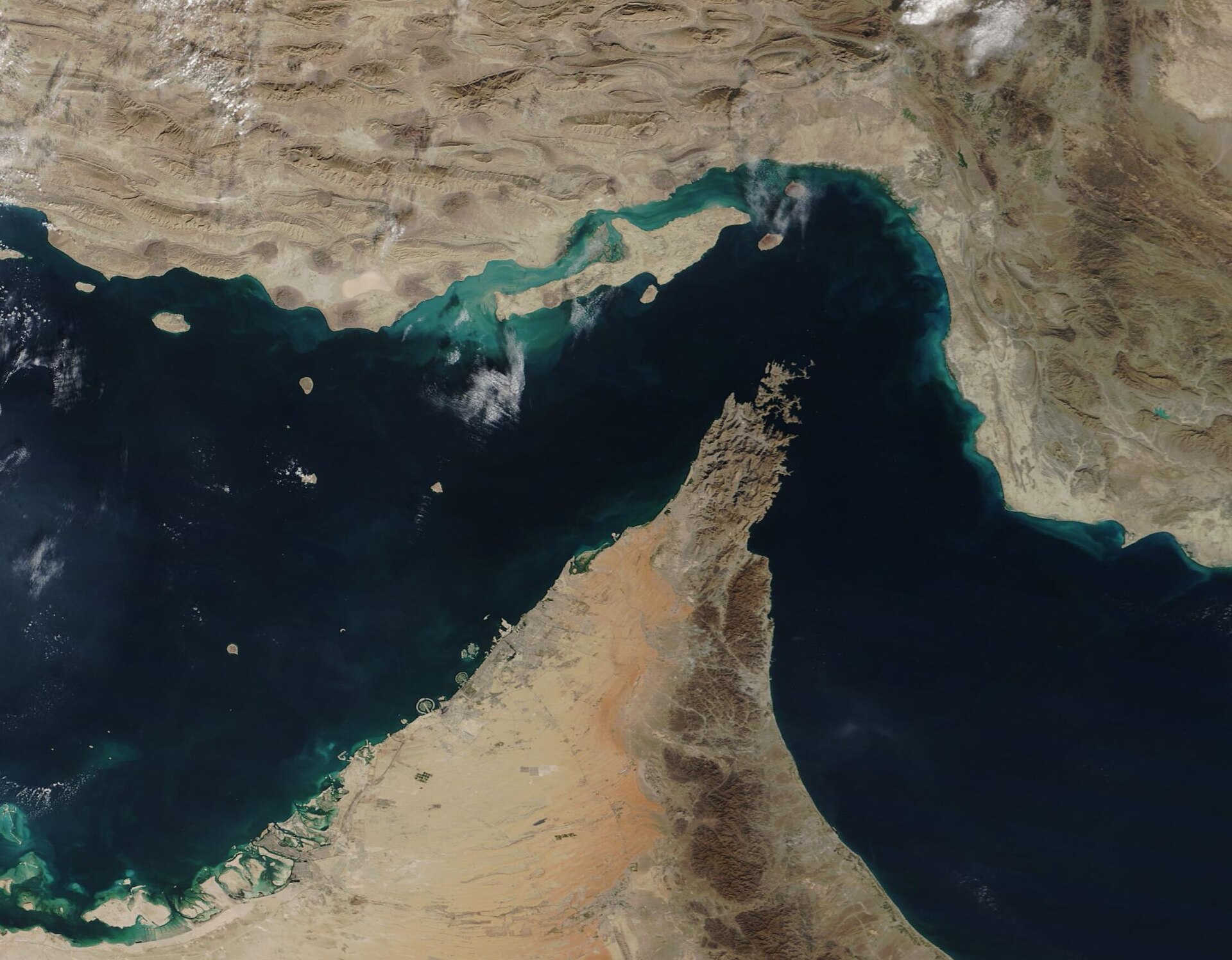
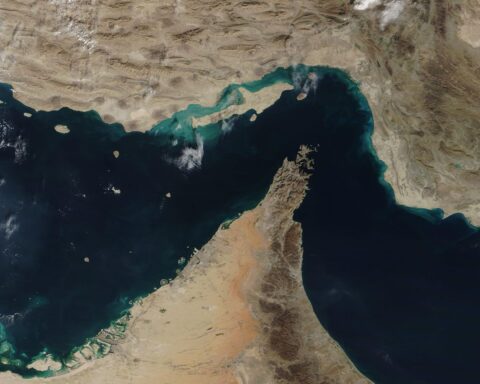
The visit positions Saudi Arabia’s top diplomat alongside the EU’s 27 foreign ministers at a point when the diplomatic architecture around the Gulf is under acute strain. The United States ended its diplomatic channel with Iran on November 13. The Islamic Revolutionary Guard Corps warned the same day of an “unlimited response” over the Strait of Hormuz, where two more oil tankers struck mines on November 14. The US Embassy in Saudi Arabia issued a nationwide security alert warning Americans of an increased Houthi attack threat on the same day. European states — which maintain embassies in Tehran, however diminished — are now among the few external powers with any remaining diplomatic presence in the Iranian capital.
The House of Saud Daily Briefing
Saudi Arabia's news in 3 minutes, every morning. Free. See today's issue
Prince Faisal’s Brussels stop follows a week of intensive engagement with European counterparts. At the G7 Foreign Ministers’ Meeting in Paris on November 9–10, the Group of Seven issued a joint declaration condemning Iran’s obstruction of transit through the Strait of Hormuz and Houthi strikes on Saudi Arabia, according to the European External Action Service. More than 75 percent of EU imports from Gulf Cooperation Council countries are energy products, according to the European Commission — a figure that ties the security of Gulf shipping lanes directly to European economic interests.
Table of Contents
The Brussels Agenda
The EU Foreign Affairs Council’s provisional agenda for November 16 lists two principal items: strengthening support for Ukraine ahead of winter and the Middle East with a focus on Syria, according to the EU Council’s forward-look document published November 6. A second ministerial session on cross-regional security and connectivity is scheduled after the main meeting, according to the EU Council’s forward look published November 6.
A second Saudi Press Agency wire, filed November 14, confirmed Prince Faisal’s participation in the FAC session. Official communications have not specified whether the Saudi foreign minister will attend the plenary FAC discussion, the cross-regional connectivity ministerial, or both.
Saudi Arabia has been pushing the EU to designate the Houthis as a terrorist organisation, Israel National News reported on November 13. Any such designation requires unanimous agreement from all 27 EU member states. The push follows months of sustained Houthi drone and missile attacks on Saudi territory, including strikes on King Khalid International Airport and the East-West Pipeline on November 13.
The previous FAC on October 12 had already turned to Gulf security. EU foreign ministers discussed freedom of navigation in the Strait of Hormuz and the Bab al-Mandab and condemned a Houthi attack on King Khalid International Airport, according to a readout from the German Federal Foreign Office.
What Did the G7 Foreign Ministers Declare on Gulf Security?
The G7 Foreign Ministers’ Joint Declaration, issued on November 11 under the French G7 Presidency, contained the group’s most concentrated language on Gulf security since the Hormuz crisis intensified. The European External Action Service published the text.
On the Strait of Hormuz, the G7 “strongly condemned Iran’s attacks against its neighbours” and “the obstruction of transit passage through the Strait of Hormuz,” the declaration stated.
On attacks against Saudi Arabia, the ministers “condemned in the strongest terms the unacceptable continued strikes carried out by the Houthis in Yemen and against the Kingdom of Saudi Arabia” and “expressed our solidarity with the Government of Yemen and the Kingdom of Saudi Arabia.”
The declaration endorsed two distinct European-led security mechanisms in the Gulf. It recognised “the multinational, independent, and defensive initiative led by France and the UK” — a reference to the coalition of more than 40 states formed in April 2026 for post-conflict Hormuz security — and backed “the verification of the removal of all mines” from the strait. The ministers also “recognized the positive contribution of the EU maritime defensive operations EUNAVFOR ASPIDES and EUNAVFOR ATALANTA.”
The G7 called on Iran to cease its support for non-state armed groups. Prince Faisal attended the Paris meeting at the invitation of the French G7 Presidency, Asharq Al-Awsat reported on November 9.
From Paris to Brussels: The Saudi-European Diplomatic Track
Prince Faisal’s appearance at the Brussels FAC extends a concentrated sequence of meetings with European foreign ministers that has accelerated since August. At the G7 sidelines in Paris on November 9–10, he held bilateral sessions with his French, British, German, and Korean counterparts, Saudi Gazette reported on November 10. He also met Ukrainian Foreign Minister Andrii Sybiha — a meeting with direct bearing on the FAC’s Ukraine agenda item.
A Saudi-Qatari-E4 ministerial session convened on the Paris sidelines, bringing together Saudi Arabia, Qatar, and the four European states with the largest Gulf diplomatic and military footprint — France, Germany, Italy, and the United Kingdom — to discuss regional de-escalation, Asharq Al-Awsat reported on November 9.
The Saudi-French diplomatic tempo has been particularly high. Prince Faisal and French Foreign Minister Jean-Noël Barrot have met at least three times since August: in Paris on August 24 during Crown Prince Mohammed bin Salman’s state visit to France, in Riyadh on October 19 when Barrot visited the kingdom, and in Paris on November 9–10, according to Asharq Al-Awsat reporting from August 25 and October 19 and Saudi Gazette reporting from November 10.
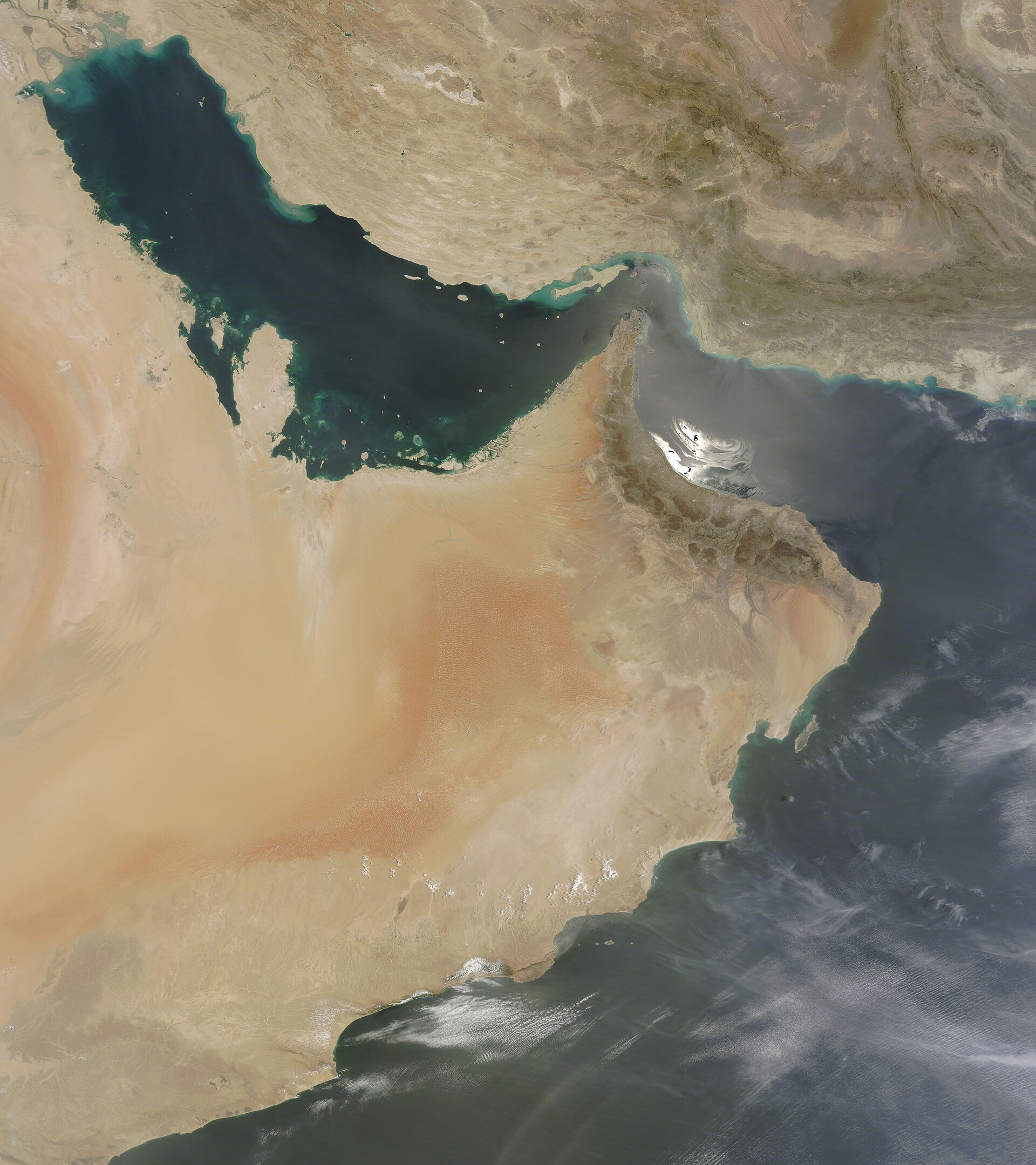
Before departing for the Paris meetings, Prince Faisal spoke by phone on November 9 with Omani Foreign Minister Badr bin Hamad Al Busaidi to discuss regional developments and “safeguarding maritime navigation and shipping routes,” Asharq Al-Awsat reported. Oman shares control of the Strait of Hormuz with Iran.
Why Is Saudi Arabia Engaging European Partners on Hormuz?
The termination of the US-Iran diplomatic channel has narrowed the field of external powers that retain any working relationship with Tehran. European states — France, Germany, and the United Kingdom — maintain embassies in Iran, though the diplomatic infrastructure has been under strain since Iran recalled its ambassadors from all three countries in September 2025 ahead of the United Nations sanctions snapback.
European naval capacity in the Gulf has expanded alongside the diplomatic track. France and the United Kingdom co-launched an international coalition of more than 40 states in April 2026 to support the security of the Strait of Hormuz once conditions allow, according to an EEAS document from June 2026 and Al-Monitor reporting from the same month. The coalition’s stated mandate includes mine verification — a task made more pressing by the ongoing mining of the waterway.
The EU’s diplomatic service went further. In a document dated May 26, it proposed that EUNAVFOR ASPIDES take on the primary role in Hormuz mine-clearance operations, Al-Monitor and The National News reported on June 3. The mandate change would require unanimous approval from all 27 EU member states. No vote has been scheduled.
Three oil tankers struck mines in the strait on November 13, and two more on November 14. The Saudi Cabinet called on November 10 for an immediate end to threats in the Strait of Hormuz and the Bab al-Mandab.
The EU’s position on freedom of navigation was stated in direct terms by EU Ambassador to Qatar Antonino Maggiore. “No fees, no tolls for the freedom of navigation,” he told Euronews on November 11.
Iran’s Position
Iran’s Foreign Minister Abbas Araghchi stated on November 3 that talks between Iran and Saudi Arabia are “ongoing” and that Tehran seeks regional security arrangements without foreign military involvement, Tribune Pakistan reported. The statement drew a line between the frozen Iran-Europe track and what Tehran described as a functioning Iran-Saudi bilateral channel.
Araghchi’s public assessment of European diplomatic relevance has been dismissive. In February 2026, he criticized the E3 — France, Germany, and the United Kingdom — for “irrelevance” in nuclear negotiations, Al Jazeera reported on February 15. The characterisation has not been publicly revised.
Iran recalled its ambassadors from France, Germany, and the United Kingdom in September 2025. Diplomatic relations with all three have not been normalised.
France added a new source of friction with Tehran four days before Prince Faisal landed in Brussels. On November 10, Paris publicly attributed a cyberattack on French supermarket refrigeration systems to the IRGC’s Shahid Kaveh cyber unit, IranIntl reported on November 11. France summoned Iran’s ambassador, and French prosecutors requested international arrest warrants. Iran denied involvement.
The broader diplomatic picture deteriorated further on November 13 when President Trump ended US-Iran talks. The IRGC issued its own threat over the strait the same day. Iranian politician Mohsen Rezaei had stated three days earlier that there would be “no negotiations,” Al-Mayadeen reported on November 10.
No Iranian state media commentary specifically addressing Prince Faisal’s Brussels visit was identified during the reporting period.
The Postponed EU-GCC Summit
Prince Faisal’s attendance at the FAC carries additional weight because a planned EU-GCC leaders’ summit never took place. The second EU-GCC Leaders’ Summit, originally scheduled for October 24 in Riyadh, was postponed on October 15, according to an EU Council press release and The National News.
The GCC Secretary General cited Houthi attacks on Saudi Arabia and the suspension of operations at King Khalid International Airport as grounds for postponement. The EU Council statement said it remained committed to the EU-GCC partnership and that a new date would be announced “in due course.” No date has been set as of November 14.
The European Council, meeting in Brussels on October 15–16, partly addressed the gap left by the cancelled summit. EU leaders “strongly condemned Iran’s attacks on regional states” and “condemned Houthi attacks on Saudi Arabia,” IranIntl reported on October 16. The heads of state also called on Iran to meet its obligations under the Nuclear Non-Proliferation Treaty safeguards regime.
With the summit indefinitely shelved, the November 16 FAC session is the highest-profile direct EU-Saudi diplomatic contact since October. The GCC has informed the United Nations that Iran has fired more than 7,000 missiles and drones at Gulf states.
Background
Houthi forces in Yemen have conducted a sustained campaign of drone and missile strikes against Saudi territory. Targets have included King Khalid International Airport, the East-West oil pipeline, and Yanbu oil facilities on the Red Sea coast. On November 12, the Houthis claimed strikes on the East-West Pipeline and Yanbu facilities. Saudi Arabia called on the UN Security Council to act in response to attacks on KKIA, Al Jazeera reported.
Regional security arrangements are also shifting. Qatar and Turkey signed a mutual defence pact in Istanbul on November 14, Arab News reported.
Frequently Asked Questions
What is EUNAVFOR ASPIDES and what is its proposed role in Hormuz?
EUNAVFOR ASPIDES is a European Union naval operation established to protect commercial shipping in waters around the Arabian Peninsula and the Red Sea. In a document dated May 26, 2026, the EU’s External Action Service proposed giving ASPIDES the primary role in mine-clearance operations in the Strait of Hormuz, Al-Monitor and The National News reported on June 3. The mandate expansion requires unanimous approval from all 27 EU member states. No vote date has been announced. Separately, France and the United Kingdom co-established a coalition of more than 40 states in April 2026 to support Hormuz security once conditions allow. The G7 Joint Declaration of November 11 endorsed both the ASPIDES operation and the France-UK mine verification initiative.
What did Prince Faisal say at the UN General Assembly about the international response?
Prince Faisal told the United Nations General Assembly in September 2026 that the international community had been “absent” in addressing threats against Saudi Arabia, The National reported on September 28. During the same trip to New York and Washington, he met US Secretary of State Marco Rubio, The National confirmed.
Has France deployed military forces to Saudi Arabia?
France confirmed the deployment of troops, radar systems, and air defence equipment to Yanbu on Saudi Arabia’s Red Sea coast, Al Jazeera reported on September 25, 2026. Yanbu is home to oil refinery and petrochemical infrastructure and has been targeted by Houthi strikes.
Is the EU developing defence industry ties with Gulf states?
The EU is planning a defence industry seminar in Doha on December 3, 2026, designed to connect European and Qatari defence companies, Euronews reported on November 11. EU Ambassador to Qatar Antonino Maggiore said “security is fundamental in the current geopolitical context and it’s a mutual interest.” The Doha event reflects a broadening EU effort to deepen commercial defence relationships with GCC states alongside the diplomatic and naval tracks.
Which countries issued a joint condemnation after the October 2026 strike on KKIA?
Saudi Arabia, Egypt, Pakistan, and Turkey issued a joint statement condemning the Houthi strike on King Khalid International Airport in October 2026, CBS News reported on October 11. The four-country statement followed Saudi Arabia’s request for United Nations Security Council action in response to the attack, Al Jazeera reported.
The House of Saud Daily Briefing
Saudi Arabia's news in 3 minutes, every morning. Free. See today's issue