BERN — Vice President JD Vance canceled his planned visit to the Bürgenstock resort in Switzerland on Friday, June 19, after failing to depart Washington the night before. Iran’s delegation had already suspended its travel, citing Israeli Defense Forces strikes in southern Lebanon as a violation of the Versailles memorandum of understanding’s first clause.
The 60-day Phase 2 window — the only institutional framework connecting the MOU signed at Versailles on June 17 to any binding outcome — opened without the principals from either negotiating party. Pakistan’s Prime Minister Shehbaz Sharif canceled separately. By Friday morning, Switzerland’s foreign minister was the most senior confirmed institutional presence at what had been billed as the formal kickoff of a comprehensive nuclear settlement. The Bürgenstock session had not been called off. It had been reduced to deputies.
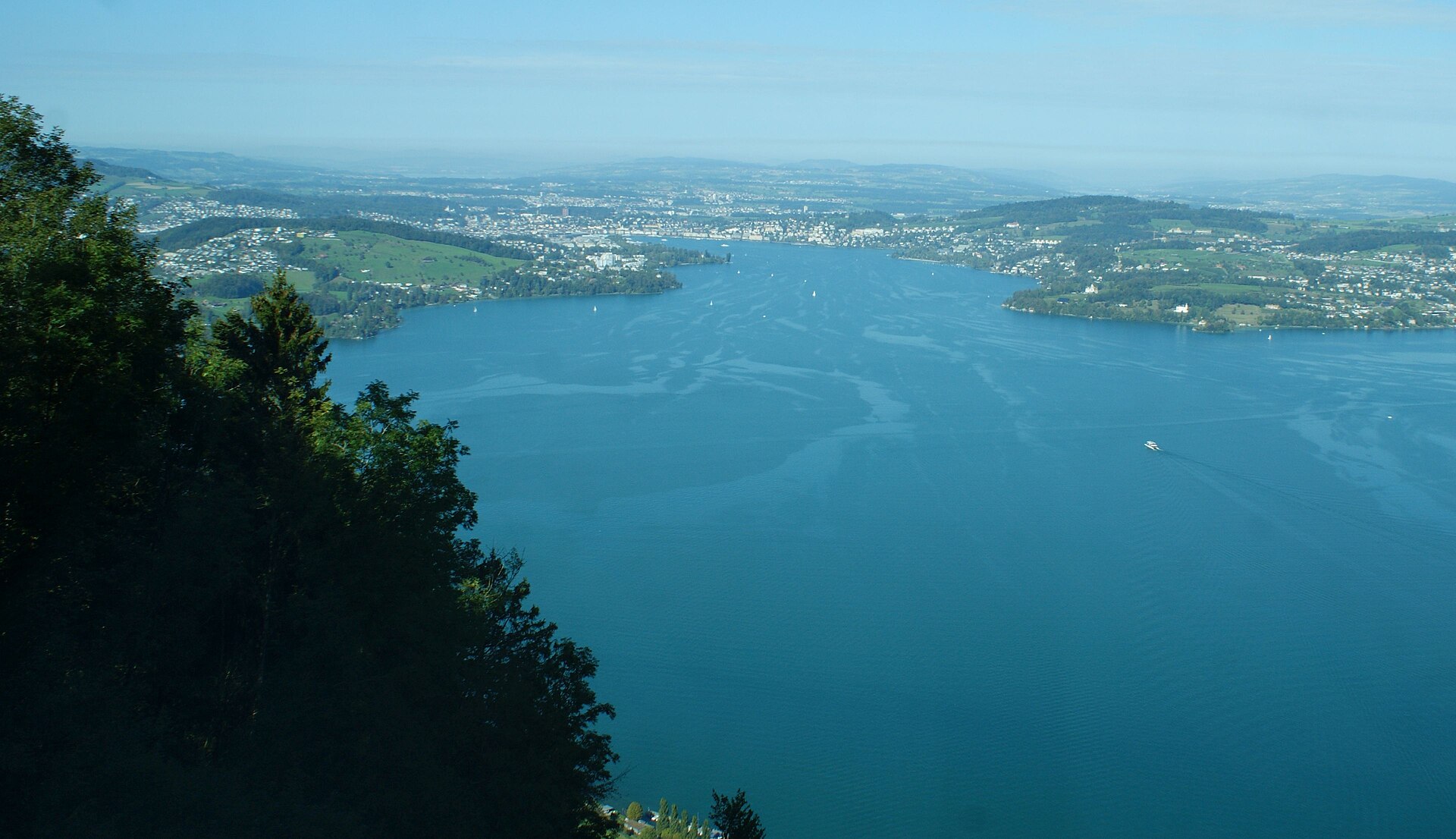
Table of Contents
Two Cancellations, Two Framings
The White House framed Vance’s absence as procedural. “The plans for the upcoming technical talks have not been finalized, and the U.S. delegation has been prepared to depart at the first available opportunity,” a spokesperson said, according to CBS News. “But the logistics of these negotiations have never been simple or predictable.”
Iran framed its absence as substantive. Al Mayadeen, the Hezbollah-affiliated outlet, reported first that Iran’s delegation “suspended” its Switzerland trip because of “continuing Israeli attacks on southern Lebanon,” citing an informed source. Tehran warned that “continued Israeli operations and attacks 10 kilometers inside Lebanese territory constituted a flagrant violation of the first clause of the memorandum of understanding,” according to reporting by Iran International citing Al Mayadeen and Fars News.
Fars, which is linked to the Islamic Revolutionary Guard Corps, went further: Iran had “suspended its entire 60-day negotiation period” over the strikes — not merely its delegation’s travel for Friday’s session. The US has not acknowledged this characterization.
A third version came from Axios reporter Barak Ravid, who cited an unnamed US official saying one of the reasons for the postponement “could be Iranian demands regarding the situation in Lebanon.” Bloomberg compressed the episode into a single headline: “Vance Delays Swiss Trip as White House Says Talks Never Simple.”
The Middle East briefing 3,000+ readers start their day with.
One email. Every weekday morning. Free.
Vance did not depart Washington on Thursday night, CBS News confirmed. By Friday, Axios published a dedicated report under the headline: “Vance cancels Iran talks visit to Switzerland, planned for Friday.”
The White House said “logistics.” Fars News said “suspended its entire 60-day negotiation period.” Both statements were issued within hours of each other on June 18.
What Does Iran Mean by ‘Clause 1’?
Iran’s position is that the MOU requires an end to Israeli military operations in Lebanon. Foreign Minister Abbas Araghchi stated that “any military attack by Israel against Lebanon from this point forward, as well as any continued occupation of Lebanese territory, will be regarded by us as a violation of the memorandum of understanding,” according to PBS News Hour.
A US official directly contradicted this reading, telling CBS News the deal did not call for an Israeli withdrawal and that Lebanon was not part of the MOU’s scope.
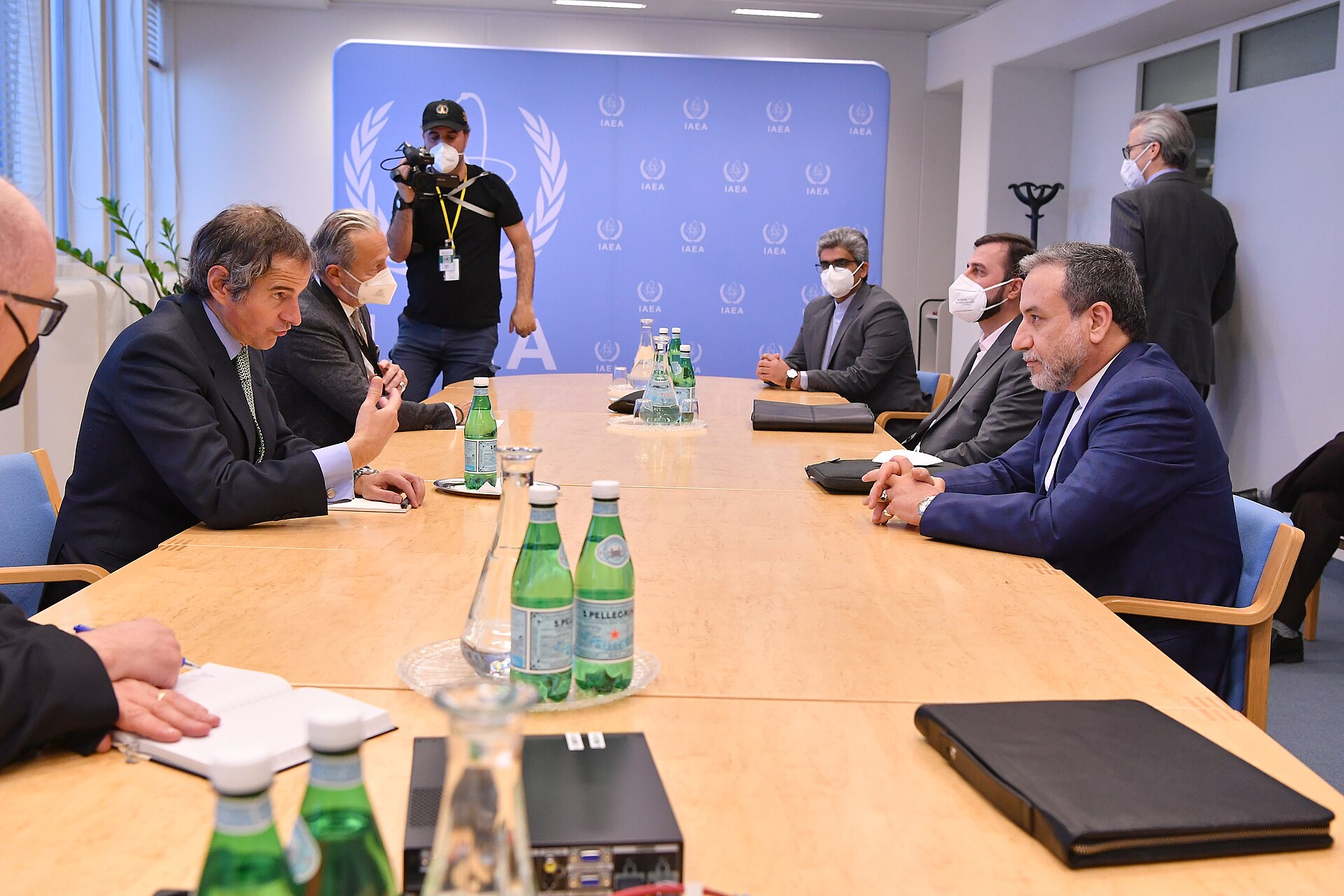
The disagreement is not new. Araghchi told Iranian state broadcaster IRIB on June 13 — four days before the MOU was signed — that the agreement must cover “all fronts, including Lebanon.” Hezbollah’s Secretary-General Naim Qassem had rejected a Lebanon ceasefire on June 4, calling it “absurd” and “humiliating.” Iran’s stated precondition for the MOU depended on an outcome a key ally had already foreclosed.
President Trump complicated both positions on Friday. He stated that the United States expected “a complete ceasefire on all fronts, including Lebanon, Hezbollah and Israel,” per CBS News — language that appeared closer to Iran’s expansive reading of the MOU than to his own administration’s stated position that Lebanon falls outside the agreement’s scope.
“We are planning both the negotiation process and the implementation of any agreement on the basis of distrust, past breaches of commitments and previous experiences.”
Abbas Araghchi, Iranian Foreign Minister — Iran International, June 2026
The full MOU text has not been publicly released. Neither side has cited specific language from Clause 1. The two interpretations — that Lebanon is covered and that it is not — are irreconcilable on the public record, and neither can be verified against the document itself.
The Islamabad Precedent
Vance last led face-to-face talks with Iran at Islamabad on April 9–12, 2026. That session ran for 21 hours and collapsed on the nuclear item. Lebanon was the stated pre-negotiation dispute then, too.
At Islamabad, Vance said Iran would be “dumb” to let talks collapse over Lebanon. “If Iran wanted to let the negotiation fall apart over Lebanon, ‘that’s ultimately their choice,’” he told reporters, according to Al Jazeera’s April 8 reporting.
Trump declared afterward that “the meeting went well, most points were agreed to, but the only point that really mattered, NUCLEAR, was not,” per NPR. The US imposed a naval blockade in the days that followed. Iran responded by activating the Persian Gulf Stability Agreement and mining the Strait of Hormuz.
The stated trigger at Bürgenstock was the same as at Islamabad: Israeli operations in Lebanon. The format was the same: a withdrawal before the session convened. At Islamabad, there was no deadline — the collapse led to a blockade. Bürgenstock operates under a 60-day window that began running on June 17, regardless of attendance.
Can Sixty Days Absorb a Day-One Loss?
The Versailles MOU’s Phase 2 window runs 60 days from entry into force on June 17. The National described Friday’s Bürgenstock session as “the official kickoff of the 59 days remaining.” The clock does not pause for diplomatic absences.
Araghchi acknowledged the difficulty ahead. “Implementing international agreements is always far more difficult than drafting them,” he said, per The National.
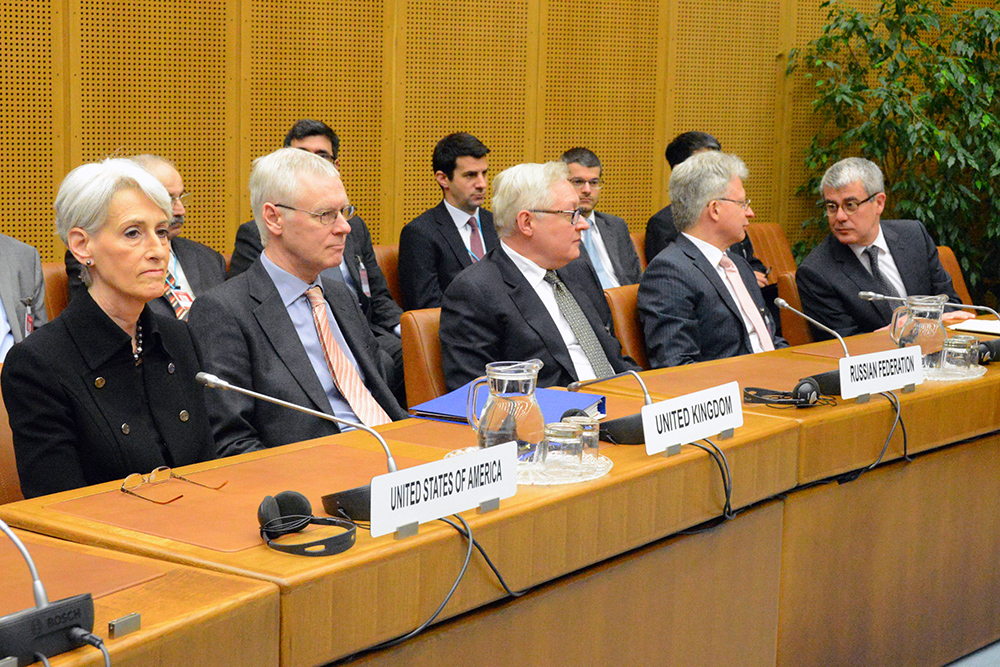
The Joint Comprehensive Plan of Action offers a reference point. That agreement took six months from the UN Security Council’s endorsement on July 14, 2015, through Adoption Day on October 18, 2015, to Implementation Day on January 16, 2016. The current window is one-third of that timeline. Former lead US negotiator Wendy Sherman, who led the JCPOA talks, has described the 60-day window as inadequate given the JCPOA’s own 18-month implementation period.
The nuclear baseline that a 60-day settlement would need to address has not been established. Iran’s last verified highly enriched uranium stockpile stood at 440.9 kilograms at 60 percent U-235 enrichment. IAEA access was terminated on November 20, 2025 — more than 107 days without verification. No independent baseline exists from which to measure compliance.
The Center for Strategic and International Studies assessed in April 2026 that technical negotiations on Iran’s nuclear file “will prove difficult” and that Tehran “has signaled unwillingness to compromise on key demands and will try to play for time, knowing Trump is unlikely to resume the military campaign ahead of November midterms.”
Sixty days from June 17 falls in mid-August. The US midterm elections are in November.
Who Remained at Bürgenstock?
Pakistan’s Prime Minister Shehbaz Sharif — whose country hosted the April talks and served as a key mediator — canceled his Bürgenstock trip separately from Vance. Bluewin, the Swiss outlet, noted the session was “getting smaller and smaller.”
Switzerland’s foreign minister remained the most senior confirmed official. The session was not formally canceled; it was reduced from a principals-level opening to a deputies-level meeting. The 60-day clock does not distinguish between the two.
Saudi Arabia holds no seat in Phase 2 negotiations. Foreign Minister Prince Faisal bin Farhan’s statement at an ECFR event in Vienna on June 17 — “verification is key” — remains the kingdom’s sole public input on the nuclear track as Phase 2 opens. On June 18, Araghchi and Faisal spoke by phone — the sixth such call — but the content of that exchange has not been disclosed by either side.
Saudi Arabia’s Persian Gulf Stability Agreement exposure stands at $5.5 million per day in transit fees on 5.5 million barrels of daily crude capacity. That meter runs regardless of who convenes at Bürgenstock or whether anyone convenes at all.
The following day, Qatar PM Al Thani arrived at Bürgenstock as the only Gulf state with an active mediating seat — while Saudi Arabia remained absent. Qatar PM Arrives for Iran Nuclear Talks That Exclude Saudi Arabia covers the June 20 state of play: who arrived, who conditioned their arrival on Lebanon, and what the deputy-level substitution signals about Phase 2’s trajectory.
The Vessels That Cannot Wait for Deputies
Windward maritime intelligence tracked 23 or more VLCCs converging on UAE ports. Earth observation imagery over Khor Fakkan from June 17 showed 128 vessels at anchorage, with at least 45 dark ballast tankers displaying pre-departure preparation. Eighteen transits were recorded across the June 17–18 window — the highest single-window count of the conflict period, still below the pre-conflict daily average of more than 100 transits, according to Windward.
The Joint Maritime Information Centre downgraded its threat assessment from “Severe” to “Substantial” on June 17 — the same day the MOU entered into force. It has not reached “Moderate,” the threshold at which Protection and Indemnity clubs typically begin clearance for commercial traffic. War risk premiums remain at 3 to 8 percent of vessel value per transit, or $3 million to $8 million per large tanker, per Windward and Al Jazeera reporting. No insurer downgrades risk based on the attendance list at a diplomatic meeting.
Three Bahri supertankers — Shaden, Jaham, and Awtad — crossed the Strait of Hormuz on June 18 carrying approximately 6 million barrels, the first Saudi crude transit since February 28. Whether subsequent Saudi shipments follow depends on insurance clearance that no deputy at Bürgenstock has the authority to issue.
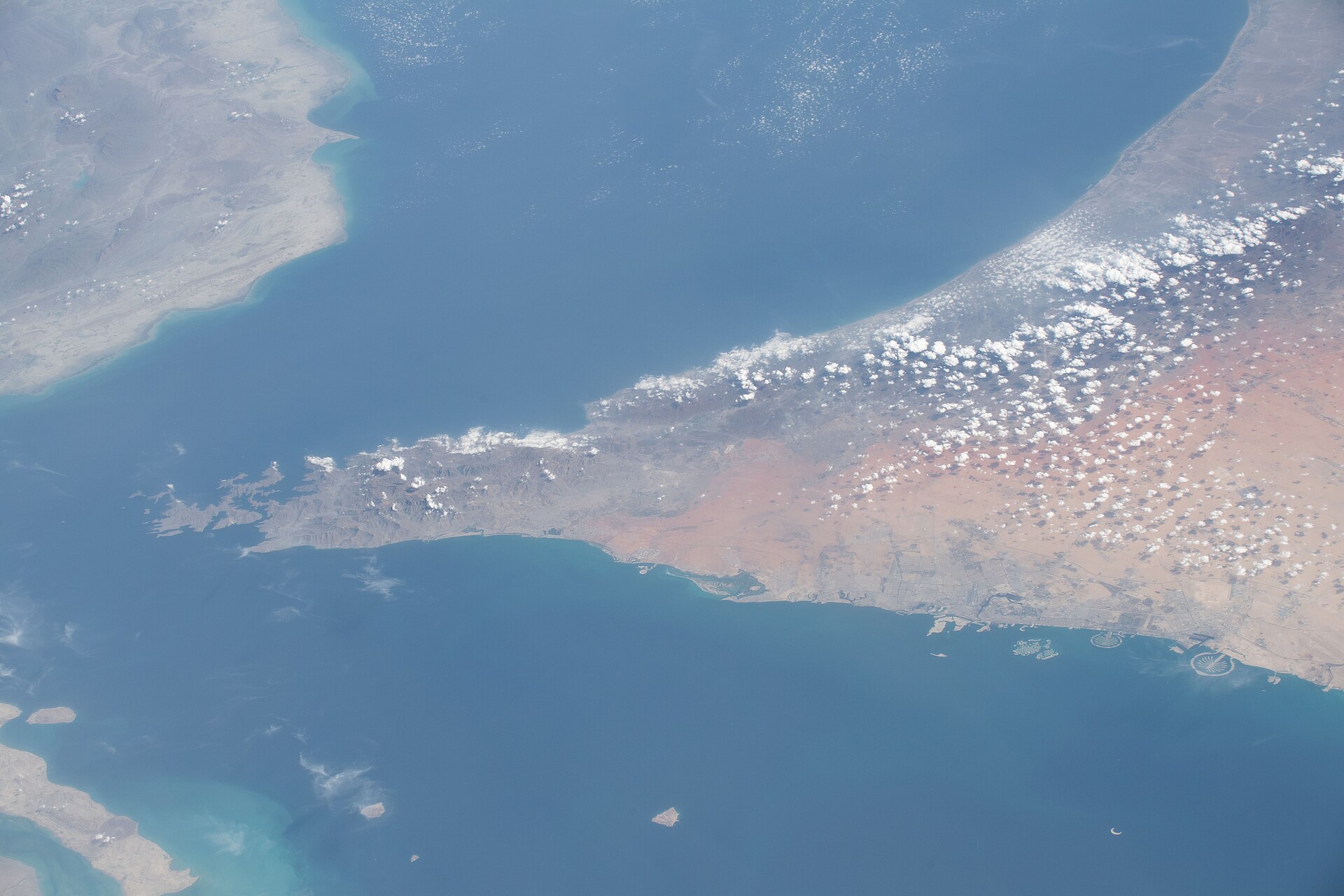
The Lloyd’s Market Association has stated that safety concerns — not insurance availability — are driving reduced vessel traffic through the strait. The MOU’s mine clearance language is “best efforts” only. An estimated 80 or more mines remain in the Hormuz corridor. Every day the JMIC stays at “Substantial” is a day the queue at Fujairah holds.
Background
The Versailles MOU was signed on June 17, 2026. President Trump signed at a candlelit dinner outside Paris; President Pezeshkian signed remotely, per CNBC and Gulf News. The agreement established a 60-day Phase 2 window for negotiating a comprehensive settlement covering nuclear, missile, and regional security tracks. Bürgenstock was selected as the Phase 2 kickoff venue.
The MOU followed the collapse of the Islamabad talks in April 2026, which ended after 21 hours without agreement on the nuclear item. The US subsequently imposed a naval blockade, and Iran activated the Persian Gulf Stability Agreement, imposing a $1-per-barrel transit fee on commercial shipping through the Strait of Hormuz.
Iran signed the MOU while maintaining its minefield in the strait. Supreme Leader Khamenei authorized the agreement while pre-setting the conditions under which Iran would walk away — framing “excessive demands” as grounds for withdrawal, with those demands defined as the US 15-point plan requiring dismantlement of Natanz, Isfahan, and Fordow and zero enrichment.
Frequently Asked Questions
Why do the two sides give different explanations for the same cancellation?
Because the explanations serve different audiences. The White House “logistics” framing allows the US to re-engage without formally conceding Iran drove the delay. Iran’s “suspended 60-day period” framing, via Fars and Al Mayadeen, signals to domestic constituencies that Lebanon’s status as a precondition is non-negotiable — a position Araghchi had stated publicly since June 13, four days before the MOU was signed. The two framings are not merely spin; they represent irreconcilable theories of what the MOU covers. That dispute has no resolution mechanism in the public record because the MOU text has not been released.
What is MOU Clause 1?
Iran cited “the first clause of the memorandum of understanding” as the basis for its suspension, claiming IDF strikes in Lebanon violate it. The full MOU text has not been publicly released — the G7 at Évian endorsed a text none of its members had read in full. The US position is that Lebanon falls outside the agreement’s scope. Neither side has quoted specific treaty language.
Who owns the Bürgenstock resort?
Katara Hospitality, Qatar’s sovereign wealth fund, owns the Bürgenstock resort, per SWI Swissinfo.ch. Qatar was one of the MOU’s mediating parties. The venue hosting the implementation talks is owned by a state that served as a guarantor of the agreement being implemented.
How does this timeline compare to the JCPOA?
The JCPOA had a 96-day gap between UN Security Council endorsement (July 14, 2015) and Adoption Day (October 18, 2015), then another 90 days to Implementation Day (January 16, 2016) — six months total involving 14 parties. The Versailles MOU allocates 60 days for all Phase 2 tracks, with no agreed nuclear baseline and 440.9 kilograms of highly enriched uranium unverified for more than 107 days.
What happens if the 60 days expire without agreement?
The formal consequences are unknown because the MOU text has not been released. Khamenei pre-authorized Iran’s withdrawal if the US makes “excessive demands.” The US has not stated publicly what happens to the naval blockade or sanctions if Phase 2 fails. The CSIS assessed in April 2026 that Iran would try to run the clock past the November midterms, when a resumption of military operations would carry higher domestic political cost for the administration.
Each day Phase 2 stalls is a day the insurance market reads as renewed uncertainty: war-risk premiums for Hormuz transits remain at 30x pre-conflict levels and P&I clubs have not restored coverage despite the JMIC downgrade — a dynamic tracked in the gap between the JMIC classification and commercial insurance clearance. On the same day, an Israel-Hezbollah ceasefire took effect at 4 p.m. Beirut time, nominally removing the Lebanon condition Iran had cited when it suspended Phase 2 negotiations — though the IDF buffer zone remained in place.