
DOHA — Vice President JD Vance told UnHerd on June 26 that Iran had agreed to station IRGC officers alongside CENTCOM personnel in Doha to manage disputes under the Islamabad MOU. Forty hours later, the IRGC struck two American bases in Kuwait and Bahrain without using the channel.
The cell — which Vance described as a place where somebody from the IRGC would “hang out in Doha with somebody from CENTCOM” to “settle a lot of these disputes” — was an output of the Switzerland Phase 2 talks that began at Bürgenstock on June 21, not a provision of the 14-point MOU text signed at Islamabad on June 17. IranWire reported the channel as already “launched” before June 28, which means IRGC personnel were physically present in the Qatari capital when the order came to hit Ali Al Salem Air Base in Kuwait and the Fifth Fleet headquarters at Juffair, Bahrain, between 02:00 and 03:00 local time. The IRGC claimed to have destroyed “eight important US military infrastructures” across the two sites. CENTCOM reported no major damage or casualties.
The cell did not fail through miscommunication or bureaucratic delay. It failed because it was never built to constrain strikes Iran had already decided to carry out — and its existence may have served Tehran better as a signal of restraint than as an actual restraint.
Table of Contents
- What Is the IRGC-CENTCOM Deconfliction Cell?
- Forty Hours From Confirmation to Strike
- Did the IRGC’s Doha Representative Know About June 28?
- Co-Locating With a Designated Terror Group
- Why Did Iran Deny the Hotline but Invoke the Treaty?
- Qatar: Host, Mediator, Target
- Where Does Saudi Arabia Fit?
- Do Deconfliction Cells Work When Both Sides Are Fighting?
- Frequently Asked Questions
What Is the IRGC-CENTCOM Deconfliction Cell?
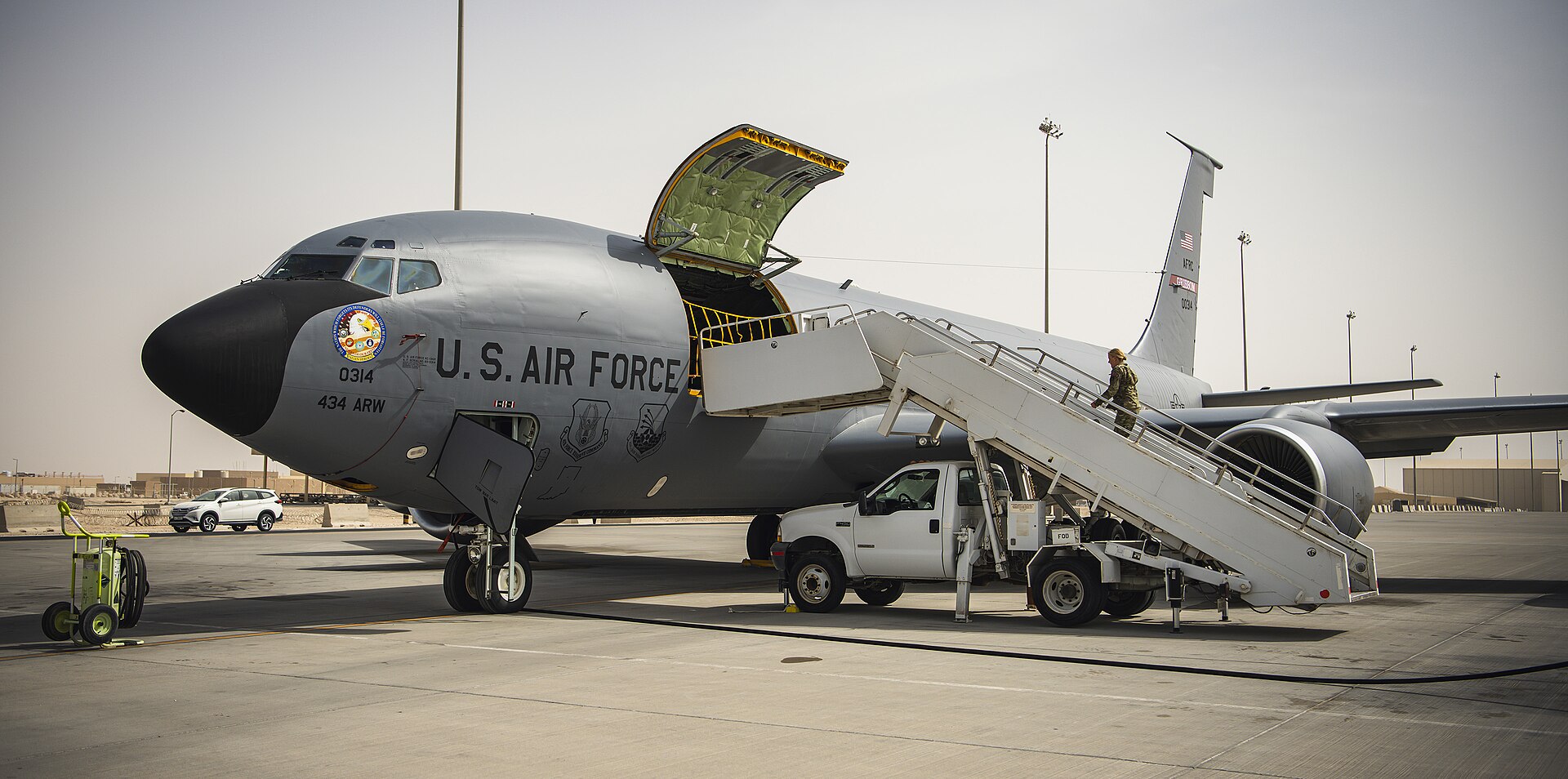
The IRGC-CENTCOM deconfliction cell is a bilateral military coordination mechanism stationed in Doha, Qatar — reportedly at or adjacent to CENTCOM’s forward headquarters at Al Udeid Air Base — that places representatives of the Islamic Revolutionary Guard Corps and US Central Command in physical proximity to resolve operational disputes arising from the Islamabad MOU. Vice President Vance confirmed its existence publicly on June 26, 2026, during an in-flight interview with UnHerd while returning from the Switzerland Phase 2 talks. No US or Iranian official has disclosed how many personnel staff the cell, what ranks are represented, or whether it maintains continuous operations.
Vance’s description of how the arrangement came together was remarkably casual for a mechanism meant to prevent military escalation between two countries actively striking each other’s assets. “One of the things we wanted to come out with [was a] channel on the Iranian side [for reducing conflict], which we did,” he told UnHerd. What followed was the kind of characterization that reads very differently after the June 28 strikes than it did before them.
“They were like, ‘Okay, fine, we’ll send somebody from the IRGC to go hang out in Doha with somebody from CENTCOM,’ and that’s how we’re going to settle a lot of these disputes.”
The HOS Daily BriefThe Middle East briefing 3,000+ readers start their day with.
One email. Every weekday morning. Free.
— JD Vance, Vice President, UnHerd interview, June 26, 2026
The cell must be distinguished from a separate mechanism announced the same week. A Qatar-Pakistan joint statement issued June 22, during the Switzerland talks, described a multilateral “deconfliction cell” covering Lebanon ceasefire adherence and Hormuz safe passage, involving the US, Iran, and Lebanon and facilitated by Qatar and Pakistan. Vance’s June 26 disclosure described the IRGC-CENTCOM co-location as a parallel channel operating alongside that Lebanon-focused body — one multilateral and ceasefire-specific, the other bilateral and military-operational. Coverage across multiple outlets has conflated the two, but they appear to be distinct elements of a single diplomatic architecture, and Iran’s Foreign Minister Abbas Araghchi called the Lebanon cell the deal’s “first real test” on June 22, a phrase that carried a different weight after the bilateral channel’s first real test ended with the IRGC bypassing it entirely.
The MOU’s own 14-point text names no communication mechanism, no hotline, no arbitrator, and no enforcement body. The cell was bolted on during the Phase 2 process — and by the time Vance confirmed its existence, Iran had already struck four US bases on June 27 and cited the MOU to justify doing so, while US forces had struck Iranian minelayers the MOU never assigned anyone to stop.
Forty Hours From Confirmation to Strike
Vance’s UnHerd interview was published on June 26, and within it he described the IRGC-CENTCOM Doha cell as an accomplished fact — not a proposal, not an aspiration, but a mechanism that had already been agreed and, according to IranWire, staffed. The IRGC struck Ali Al Salem Air Base in Kuwait and the US Fifth Fleet headquarters compound at Juffair, Bahrain, between 02:00 and 03:00 local time on June 28, roughly forty to fifty hours after the Vice President confirmed the cell’s existence to a journalist mid-flight over Switzerland.
The sequence of public statements within that window is more revealing than the strikes themselves. On June 27, IRGC spokesman Hossein Mohebi denied the existence of any direct military line between Iran and the United States, posting on X: “Claims by American officials regarding the establishment of a direct line between Iran and the United States concerning the Strait of Hormuz are completely false. This has not happened and will not happen.” Mohebi added a territorial assertion — “The Strait of Hormuz is Iranian territory and has no connection to the United States” — that went beyond denying the mechanism and claimed jurisdictional authority over the waterway itself. His denial targeted the Hormuz maritime hotline specifically, not the broader Doha cell, but the net effect was an IRGC that had publicly distanced itself from every communication tool Washington claimed to have built.
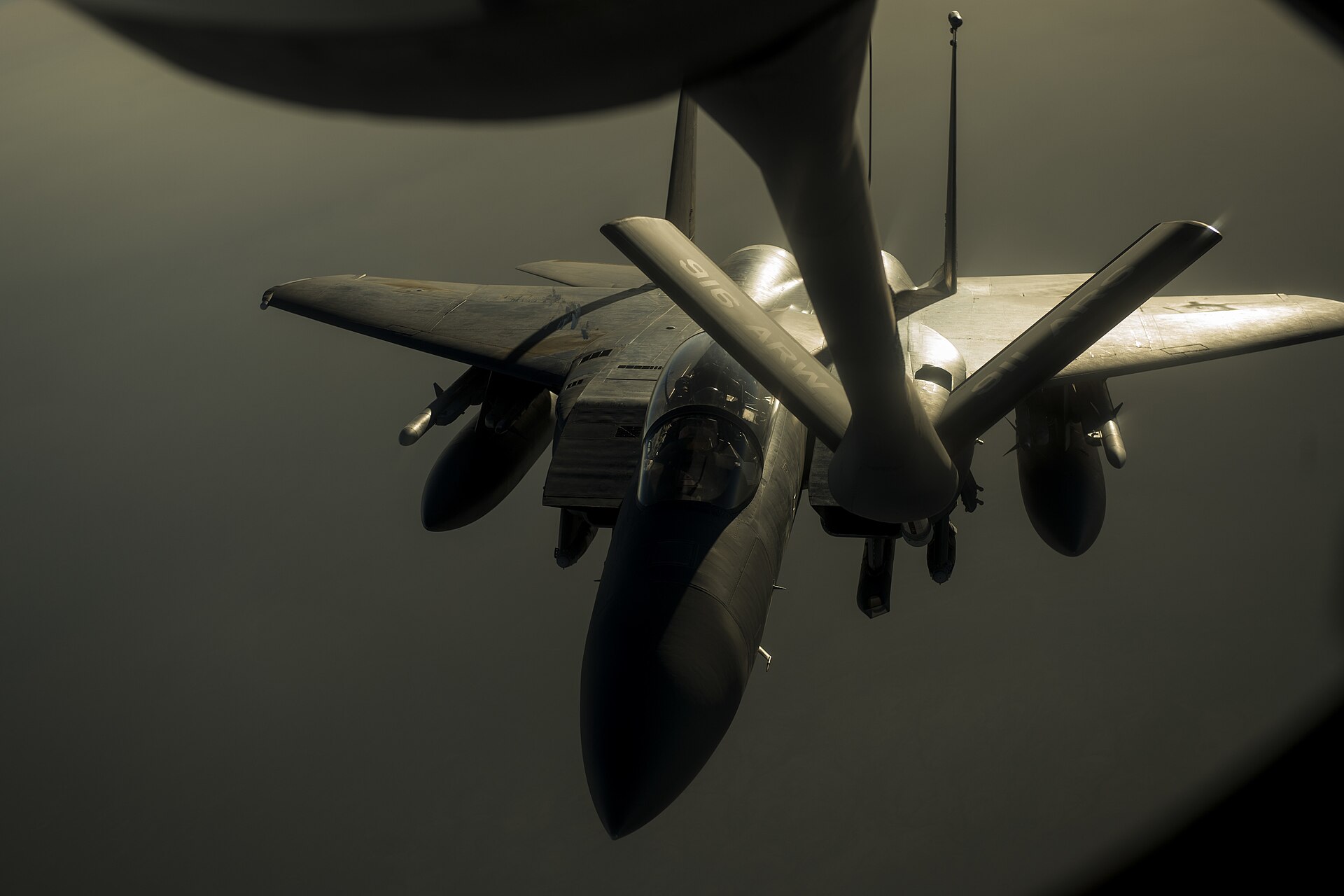
Vance responded the same day with his own post on X: “If they have disagreements about how the MoU is being applied, they can pick up the phone.” The IRGC answered that invitation not with a phone call but with strikes on two sovereign nations’ territory hosting American military personnel, hitting facilities within the same Gulf security architecture that houses the deconfliction cell at Al Udeid — the base Iran had struck in the June 27 wave, one day before the June 28 attacks on Kuwait and Bahrain.
The IRGC’s June 28 strike statement did not mention the cell, Vance’s invitation, or any attempt at prior notification through any channel. What it cited was MOU Article 1, invoking the ceasefire clause to frame the strikes as a lawful response to American violations — using the treaty framework the cell was designed to enforce while bypassing the communication tool attached to that framework, a sequence that only makes sense if the cell was never intended to constrain Iranian decisions about when and where to strike.
Did the IRGC’s Doha Representative Know About June 28?
IranWire’s reporting that the cell was already “launched” — not proposed, not agreed to in principle, but operationally active — means that IRGC personnel were in Doha, at or near Al Udeid, when the order was given to strike Ali Al Salem and Juffair. No outlet has publicly asked the question that follows from that fact: did the IRGC officer sitting in the deconfliction cell have advance knowledge of the June 28 strikes? The data to answer it is thin, and no government involved has volunteered anything that would resolve it.
If the representative did not know, the cell was irrelevant to Iranian strike planning from its first day of operation — a diplomatic performance staged for international consumption while the IRGC’s actual chain of command ran on a completely separate track. That would mean the cell was never wired into the decision-making loop that controls strikes, which in turn means it could never have prevented one. Tehran would have built a room, staffed it with a uniformed representative, and left that representative out of the only conversation that mattered.
If the representative did know, the implications run in a different and more troubling direction. An IRGC officer sitting alongside CENTCOM counterparts while holding advance knowledge of incoming strikes on American facilities would transform the cell from a deconfliction mechanism into something closer to an intelligence and signaling position — a seat Iran could use to gauge American readiness, observe operational patterns, or project calm in the hours before impact. Neither scenario — ignorance or foreknowledge — makes the cell functional for its stated purpose of settling disputes before they become strikes.
Co-Locating With a Designated Terror Group
The United States has designated the IRGC as a Foreign Terrorist Organization since April 2019, when the Trump administration added it to the list in what was then the first time Washington had designated any branch of a foreign government’s military as an FTO. The designation was maintained under Biden and remains in force as of June 2026, which means US military personnel at the Doha cell are in direct, sustained, physical proximity to representatives of an entity the American government classifies alongside al-Qaeda, ISIS, and Hezbollah. No administration official has publicly explained how this arrangement is legally structured, what waivers were obtained, or whether Congress was notified.
The FTO designation carries specific statutory consequences: it criminalizes providing “material support or resources” to the designated entity, bars its members from entering the United States, and authorizes the freezing of its financial assets. Whether military-to-military coordination inside a deconfliction cell constitutes “material support” under federal law has not been publicly adjudicated, and the question is the kind of legal problem that Washington’s national security lawyers typically resolve before operational contact begins, not after. The administration may have structured communications through Qatar as an intermediary to avoid direct US-IRGC contact, or it may have obtained a national security waiver under the relevant statutes — but if the arrangement is as direct as Vance described, with IRGC and CENTCOM officers in the same room settling disputes face to face, then the legal architecture supporting it has been constructed entirely outside public view.
The IRGC FTO designation was a centerpiece of the first Trump administration’s “maximum pressure” campaign against Iran in 2019. That the same president’s second term is now co-locating American military officers with IRGC representatives inside a Gulf air base represents a reversal that has attracted remarkably little domestic scrutiny — less, in fact, than the question of whether the cell’s IRGC representative had advance notice of the strikes the cell was supposed to prevent.
Why Did Iran Deny the Hotline but Invoke the Treaty?
Iran’s public posture in the forty hours between Vance’s disclosure and the June 28 strikes split into two tracks that appear incompatible until you identify the separate audiences each one served. Track one was denial: Mohebi called US claims about a Hormuz hotline “completely false” and layered a sovereignty assertion on top, declaring the strait Iranian territory with “no connection to the United States.” His denial targeted the maritime channel specifically, and no Iranian official has publicly acknowledged the broader IRGC-CENTCOM Doha cell either, which left a wall of deniability across every mechanism Washington said it had built.
“Claims by American officials regarding the establishment of a direct line between Iran and the United States concerning the Strait of Hormuz are completely false. This has not happened and will not happen.”
— Hossein Mohebi, IRGC spokesman, June 27, 2026
Track two was invocation. The IRGC’s June 28 strike statement explicitly cited MOU Article 1 as both trigger and justification: “Violating the ceasefire is contrary to Clause 1 of the Islamabad Memorandum of Understanding and will result in the complete halt of all diplomatic processes.” By citing the MOU, Iran implicitly acknowledged the framework the deconfliction cell was designed to implement while denying the communication tool the framework was meant to enforce — a position that makes no sense as diplomacy but perfect sense as domestic political management.
The denial serves the IRGC’s hardline constituency, which cannot accept any appearance of institutional subordination to American mechanisms — a constituency for which direct communication with Washington constitutes capitulation regardless of operational utility. The MOU citation serves the international audience, which needs legal framing to distinguish Iranian strikes from unilateral aggression and to preserve Tehran’s standing in the Phase 2 process. Both audiences were served simultaneously by the same split posture, and the cost of the contradiction was borne entirely by the mechanism caught between them.
Mohammad Bagher Ghalibaf, the parliament speaker who led Iran’s negotiating delegation at Bürgenstock, supplied the ideological bridge between these two tracks during the June talks: “The only crop we’re harvesting is what you planted: decades of mistrust.” The line functioned as Tehran’s all-purpose disclaimer — any failure of the diplomatic architecture, including a deconfliction cell bypassed within days of its confirmation, could be attributed to historical American behavior rather than current Iranian choices. PressTV’s June 28 coverage headlined the strikes as a “decisive response” without mentioning whether the cell had been consulted, bypassed, or even acknowledged as existing.
Qatar: Host, Mediator, Target
Qatar occupies three simultaneous roles in the deconfliction architecture, and none of them is compatible with the others. The emirate physically hosts the IRGC-CENTCOM cell at or near Al Udeid Air Base, co-mediates the broader MOU process alongside Pakistan, and has been confirmed as a target of IRGC strikes — Qatar’s Ministry of Defence acknowledged that Al Udeid was hit during the June 27 wave of attacks. A country that was struck by Iran one day is hosting the mechanism designed to prevent future Iranian strikes the next.
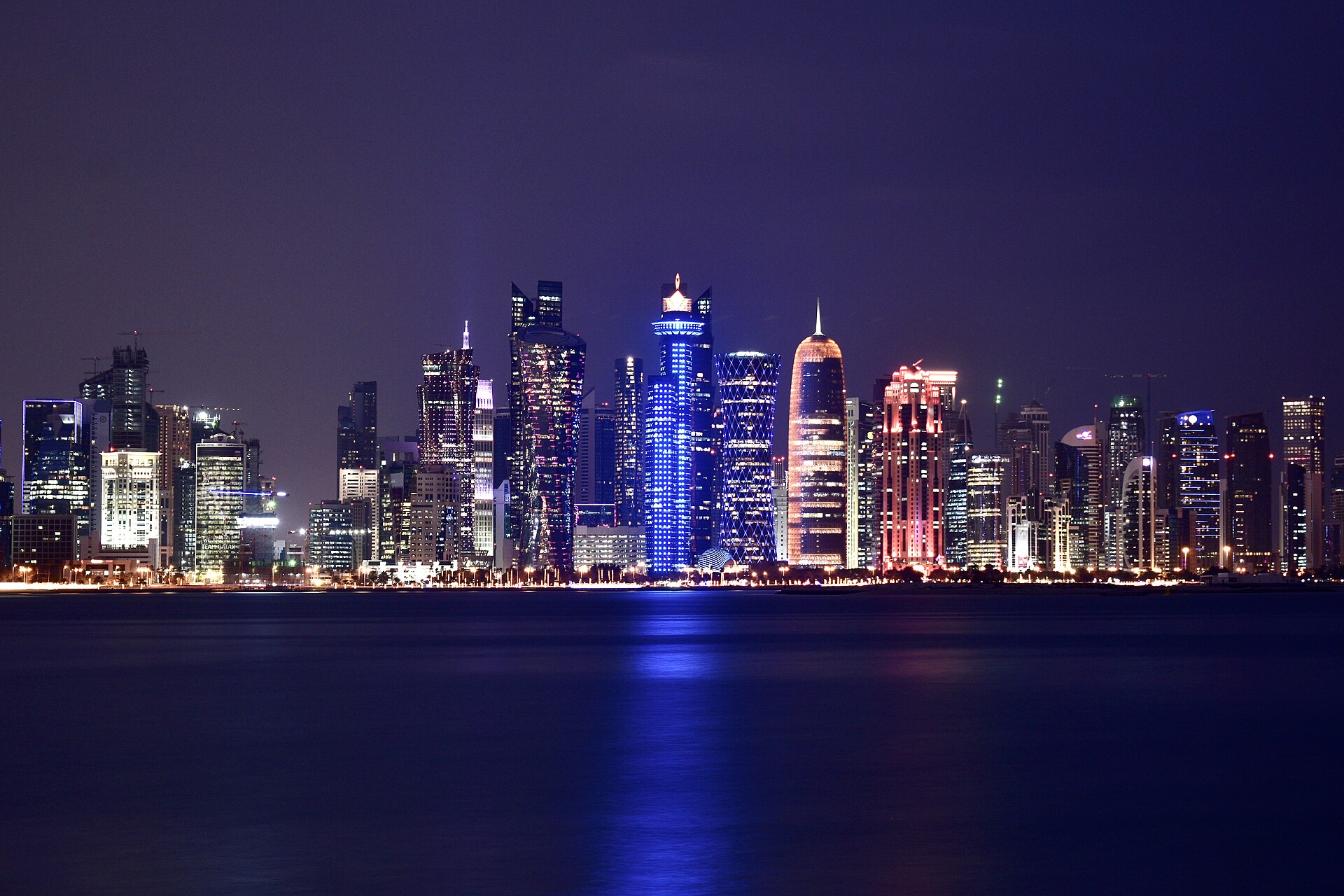
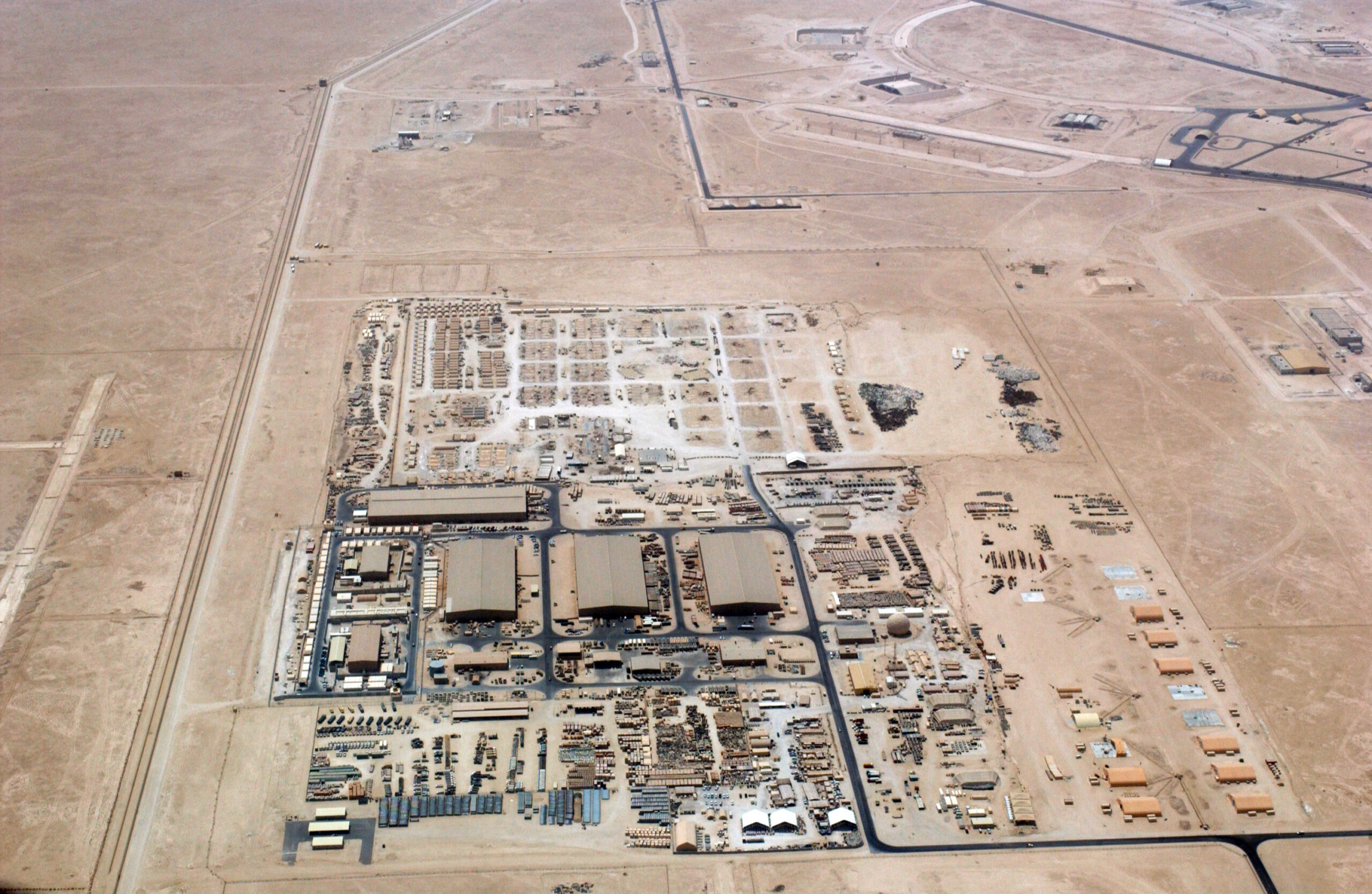
Al Udeid is not a minor outpost that might be hit incidentally in a regional exchange. The base hosts approximately 10,000 US military personnel, represents a Qatari infrastructure investment exceeding $8 billion, and serves as CENTCOM’s forward headquarters along with the Combined Air Operations Center that directs air operations across the Middle East. It is the facility from which the United States commands the air campaign Iran is fighting against — and, apparently, the facility inside which IRGC and CENTCOM officers are now supposed to resolve their differences calmly. Qatar’s Prime Minister Mohammed bin Abdulrahman Al Thani traveled to Switzerland as a co-mediator for the Phase 2 nuclear talks while his country’s most strategically valuable military installation was absorbing Iranian ordnance.
The GCC-US Manama joint statement of June 25 — the 167th Ministerial’s first collective defense invocation in forty-five years of GCC history — attempted to establish a unified Gulf security position in response to the escalating strikes. Iran’s Foreign Ministry rejected it within hours as “interventionist, irresponsible, and provocative,” making the diplomatic relationship between Tehran and its own cell’s host nation openly adversarial at the political level even as the military channel is supposed to function below it. No Iranian official has addressed how Doha can serve as a neutral deconfliction venue after Iran struck the base where the cell sits, and no Qatari official has explained how the emirate intends to protect the cell’s personnel — including the IRGC representative — inside a facility that Iran itself has demonstrated it considers a legitimate military target.
Where Does Saudi Arabia Fit?
The composition of the IRGC-CENTCOM Doha cell is bilateral: IRGC and CENTCOM only, hosted by Qatar, facilitated by Qatar and Pakistan. Saudi Arabia has no seat, no observer role, and no formal channel through which to communicate red lines into the mechanism supposed to manage the conflict most directly threatening its oil exports, its territorial integrity, and its $5.5 million-per-day exposure to the PGSA transit fee regime across the Strait of Hormuz.
The exclusion is consistent with a pattern that has defined every layer of the MOU process. Saudi Arabia was absent from the original negotiations in Islamabad, absent from the Phase 2 talks at Bürgenstock, absent from the mediator roster (which runs through Doha and Islamabad, not Riyadh), and absent from every element of the deconfliction architecture that the Gulf asked for but Washington conceded on different terms. The kingdom’s sole substantive input into the nuclear track remains Foreign Minister Prince Faisal bin Farhan’s comment at an ECFR Vienna event that “verification is key,” and its sole response to Iran striking neighboring Bahrain was a statement of condemnation containing no defense pledge.
The GCC-US Manama joint statement — the strongest institutional instrument available to Riyadh within the existing framework — was rejected by Tehran before the ink dried and has no enforcement mechanism connecting it to the cell’s operations. Saudi Arabia is absorbing the financial costs of the conflict (Bahri convoy war-risk insurance at $3–8 million per vessel, the implied PGSA fee burden, Brent trading at $72.86 against a national breakeven of $108–111) while having zero visibility into the mechanism that is supposed to prevent the next round of strikes from pushing those costs higher — a structural position that has not been addressed by any element of the current architecture, including the “best efforts” clauses that substitute for binding commitments throughout the MOU. Hours after the June 28 strikes on Ali Al Salem and Juffair, Araghchi offered a wider diplomatic frame from Baghdad — a “6+2” Gulf security architecture explicitly excluding the United States — that represents the affirmative face of the same coercive architecture the deconfliction cell was supposed to constrain; Saudi Arabia had no answer to that offer either.
Do Deconfliction Cells Work When Both Sides Are Fighting?
The historical record suggests deconfliction mechanisms can reduce escalation risk — but only under conditions the IRGC-CENTCOM cell does not meet. The three most relevant precedents each illustrate a different failure mode, and all three converge on the same lesson: these mechanisms manage the margins of agreements that already exist between parties committed to avoiding direct conflict, and they do not create restraint where none has been agreed.
The most frequently cited precedent is the US-Soviet hotline, established on June 20, 1963, after the Cuban Missile Crisis exposed how dangerously slow diplomatic cable communication was — a single exchange took twelve hours during the peak of nuclear brinkmanship. The hotline’s first operational use came four years later during the 1967 Six-Day War, when both Washington and Moscow used it to clarify fleet movements in the Mediterranean and prevent a superpower clash neither side wanted. The mechanism worked because both parties had already agreed not to fight each other directly; it managed the boundaries of that pre-existing commitment, preventing miscalculation where intent was already aligned.
The Israel-Russia deconfliction line in Syria, operational since 2015, functions on a fundamentally different basis: advance notification rather than mutual constraint. Israel gives Russia approximately five minutes of warning before conducting strikes in Syria, communicating the fact of an incoming operation without seeking permission or offering a veto. The mechanism survived its most severe test in September 2018, when a Syrian air defense battery shot down a Russian IL-20 surveillance aircraft during an Israeli operation — killing all fifteen crew — in airspace Russia was supposedly managing through the same deconfliction channel. The line endures because both parties accept an explicit asymmetry: Israel informs, Russia adjusts, and neither side pretends the channel is designed to prevent Israeli strikes from happening.
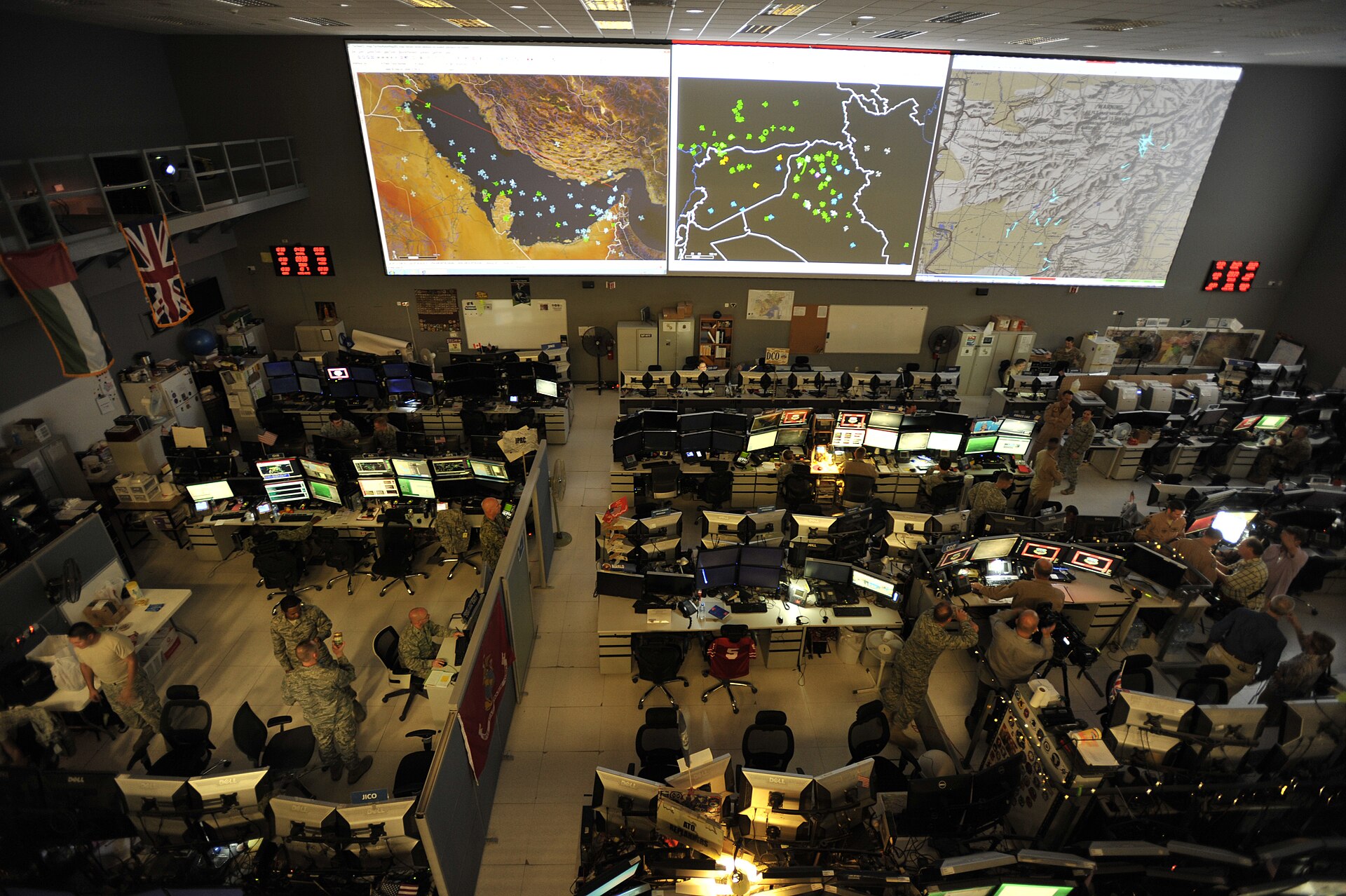
The most instructive parallel for the Doha cell may be the US-China military communication line, which has been available for over a decade and has repeatedly failed at the moments it was most needed. Between fall 2021 and fall 2023, the US recorded more than 180 instances of risky People’s Liberation Army air intercepts against American aircraft — the kind of incidents the hotline was designed to manage. In February 2023, during the Chinese spy balloon crisis, Defense Secretary Lloyd Austin called his PLA counterpart on the line and received no answer. The Jamestown Foundation has described Beijing’s approach as “selective use”: China treats the hotline as a diplomatic signaling instrument, available when engagement serves Chinese interests and silent when it doesn’t.
| Mechanism | Established | Key Test | Outcome |
|---|---|---|---|
| US-Soviet Hotline | 1963 | 1967 Six-Day War (fleet clarification) | Used by both sides; no superpower clash |
| Israel-Russia Syria Line | 2015 | 2018 IL-20 shootdown (15 crew killed) | Survived; no operational constraint on Israeli strikes |
| US-China PLA Line | ~2010s | Feb 2023 spy balloon (Austin called; PLA did not answer) | “Selective use” — available only when Beijing chooses |
| IRGC-CENTCOM Doha Cell | June 2026 | June 28 strikes (~40 hrs after public confirmation) | Bypassed; IRGC struck without notification or consultation |
The pattern Iran appears to be replicating is the Chinese model: the cell exists when its existence serves Tehran’s diplomatic positioning, and it goes silent — or gets bypassed entirely — when it would actually constrain military action. The difference is that the PLA’s selective use of communication channels has never involved striking the base where the hotline operator sits, while Iran hit Al Udeid, where the IRGC-CENTCOM cell is reportedly housed, the day before the June 28 attacks on Kuwait and Bahrain.
Daniel Byman at CSIS identified the structural problem in April 2026 — before the cell was conceived, let alone staffed — in a paper titled “Fragile US-Iran Ceasefire: Issues to Watch,” which flagged the “ongoing risk of low-intensity renewed conflict” and noted that Iran’s leaders may judge it necessary to “impose costs on Washington and its allies” regardless of what formal channels connect their military commands. The Doha cell was designed to solve a communication problem between two parties whose conflict is not about communication.
Frequently Asked Questions
Who proposed the IRGC-CENTCOM deconfliction cell?
Vance’s framing to UnHerd — “one of the things we wanted to come out with” — explicitly identifies the cell as an American objective entering the Phase 2 talks at Bürgenstock. Iran’s acceptance, as Vance characterized it, was reluctant and informal: “They were like, ‘Okay, fine.'” The Qatar-Pakistan joint statement of June 22 positioned the separate Lebanon deconfliction cell as a shared deliverable of all parties, but Vance’s account of the bilateral IRGC-CENTCOM channel describes something Washington specifically pushed for and Tehran conceded — a distinction that matters because mechanisms imposed by one side tend to be treated differently by the other than mechanisms both sides sought.
Has Iran given advance warning before striking US bases?
In January 2020, before striking Al-Asad Air Base in Iraq in retaliation for the killing of Qasem Soleimani, Iran communicated its intentions through Iraqi government intermediaries and the Swiss diplomatic channel that serves as the protecting power for US interests in Iran. The advance warning enabled American personnel to take shelter, resulting in zero deaths but 109 traumatic brain injuries that the Pentagon initially denied before congressional pressure forced disclosure months later. The June 28, 2026, strikes on Ali Al Salem and Juffair came with no equivalent warning through the deconfliction cell or any other known channel — an operational choice, not a communication failure, given that Iran demonstrated in 2020 that it knows how to warn when it chooses to.
What happens to the cell if the MOU expires without a Phase 2 agreement?
The MOU’s 60-day clock began on June 17 and expires approximately August 16, 2026 — currently at Day 11 of 60, with no technical round of Phase 2 talks publicly scheduled after the Bürgenstock sessions. The cell’s mandate derives from the Phase 2 process, not the MOU text itself (which names no communication mechanism), meaning that if Phase 2 produces no successor agreement by Day 60, the cell loses its institutional basis. On Day 61, the PGSA’s $1-per-barrel transit fee reverts to an unspecified rate by default, the MOU’s provisional framework dissolves, and the cell would become a bilateral arrangement with no treaty architecture supporting it — unless both Washington and Tehran independently choose to sustain it on an ad hoc basis.
Could Congress block the cell on FTO grounds?
The material support prohibition under federal law criminalizes providing support to designated Foreign Terrorist Organizations, and the IRGC has held that designation since April 2019 — the first time the statute was applied to a branch of a foreign government’s military rather than a non-state armed group. The administration has not disclosed whether it notified the congressional intelligence or armed services committees about the cell’s establishment, whether it obtained a national security waiver under the relevant statutes, or whether the cell’s legal structure routes all interactions through Qatari intermediaries to create a buffer between US and IRGC personnel that might survive judicial scrutiny. Congressional opponents of Iran engagement could use the FTO designation as a basis for demanding hearings or attaching conditions to defense appropriations funding CENTCOM’s participation, though no member of Congress had publicly raised the issue as of June 28.
How does the IRGC-CENTCOM cell differ from Cold War deconfliction?
The 1963 US-Soviet hotline was originally a teletype link — text-only, requiring approximately thirty minutes per full exchange — designed for two nuclear powers that had agreed not to fight each other directly. The IRGC-CENTCOM cell, as Vance described it, involves face-to-face co-location of officers from two forces that are actively striking each other’s facilities and allies. The structural gap is not technological but political: the Cold War hotline supplemented a pre-existing mutual commitment to avoid direct conflict and managed the risk of accidental escalation at its margins, while the Doha cell substitutes for an agreement that does not exist between parties that have not committed to stop fighting and were exchanging strikes the week the cell was confirmed.