
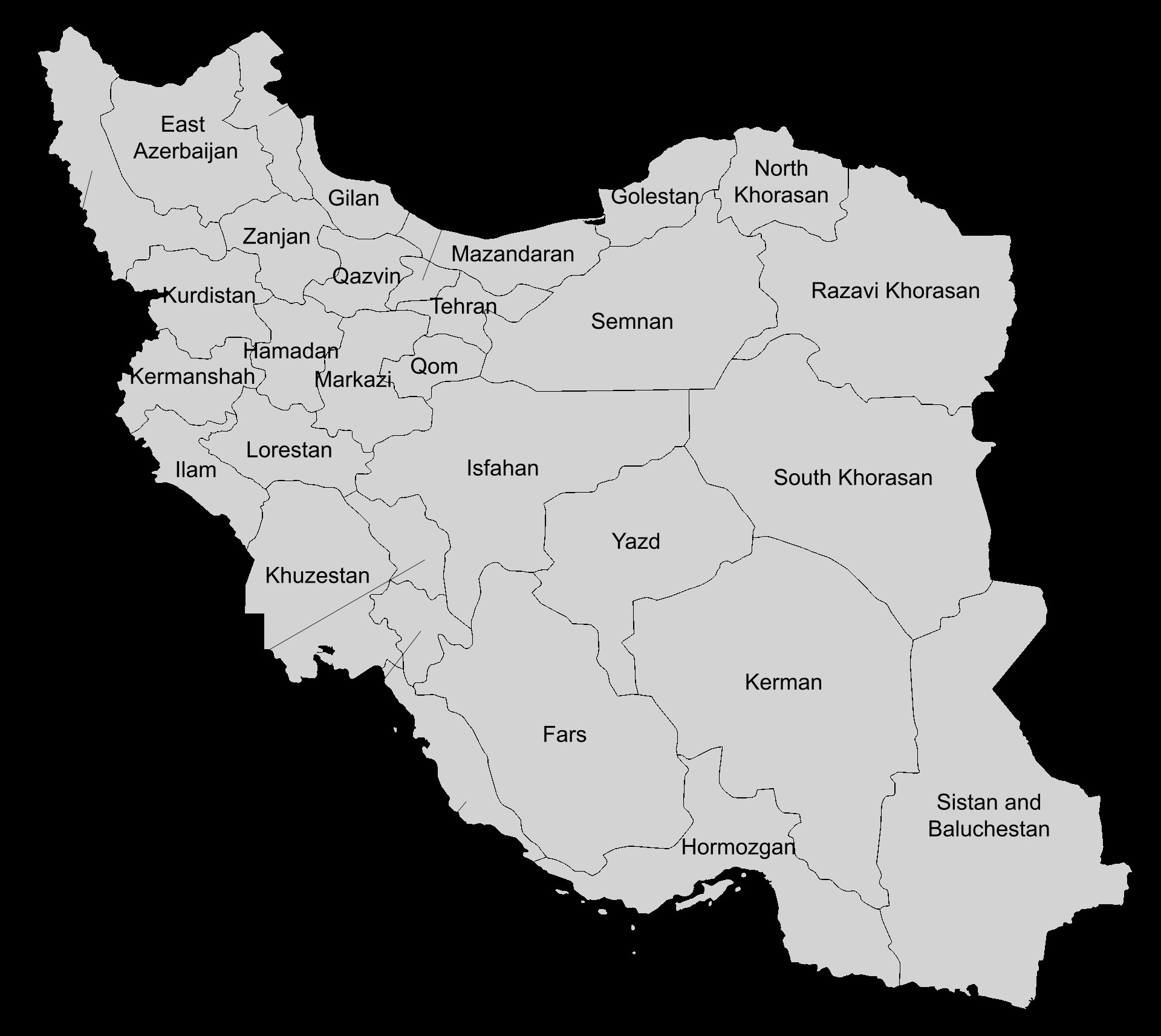
RIYADH — Israel struck military targets across western and central Iran on June 8, 2026 — Day 100 of the war — hitting at least 15 sites in Tehran, Isfahan, Tabriz, Karaj, and Kermanshah, hours after President Trump explicitly asked Prime Minister Netanyahu not to retaliate for Iran’s Operation True Promise 5. Saudi Arabia’s Civil Defense issued a missile warning for Al Kharj Governorate, home to Prince Sultan Air Base and approximately 2,700 US servicemembers, before lifting the alert without explanation.
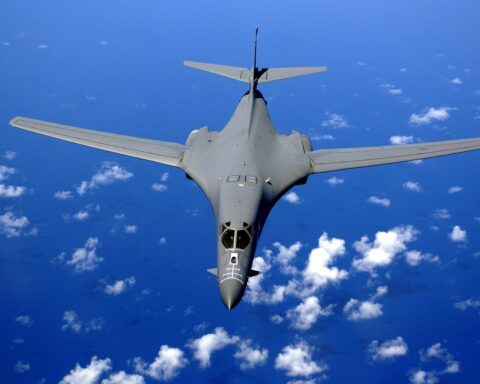
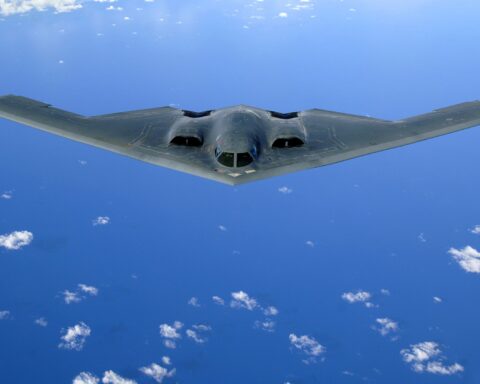
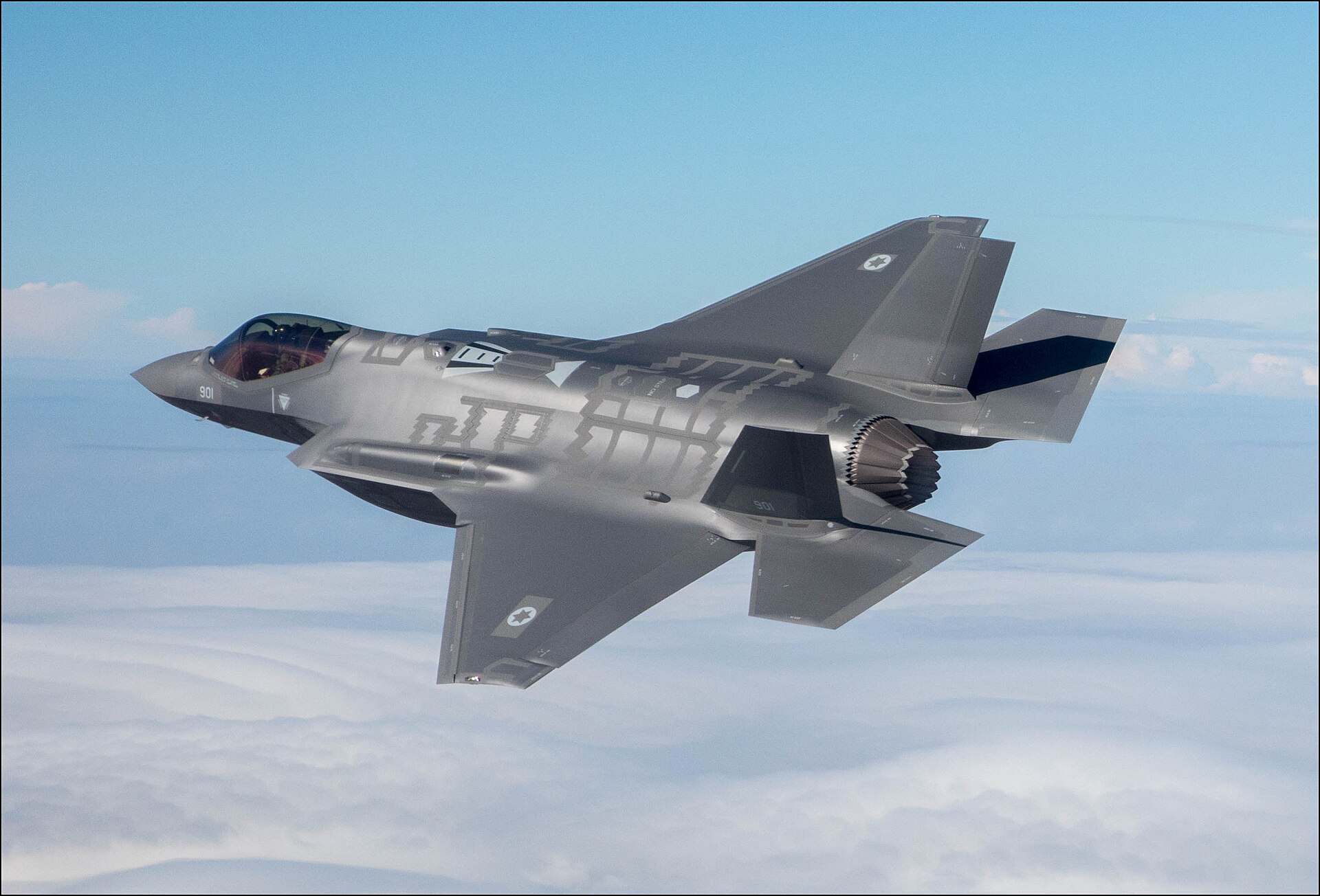
The Israeli Air Force used air-launched ballistic missiles against what the IDF described as “military targets belonging to the Iranian terror regime in western and central Iran.” Netanyahu initially appeared to agree to Trump’s request, then struck anyway — a direct defiance of the president whose forces are stationed at the Saudi air base Iran has named a legitimate target.
Table of Contents
What Israel Struck
The IDF confirmed the operation in a statement issued June 8: “A short while ago, the Israeli Air Force struck military targets belonging to the Iranian terror regime in western and central Iran.” Explosions were confirmed across five provinces, according to NBC News, NPR, and Gulf News liveblogs covering the strikes in real time.
Iran’s state news agency ISNA confirmed an Israeli strike on a defense ministry site in Isfahan Governorate. Al Jazeera identified at least one target in Tehran as a drone storage facility. The IRGC confirmed Israel used air-launched ballistic missiles in the attack, according to the Times of Israel and Newsweek. Iran reported approximately 15 targets struck across the five locations.
The Iranian Foreign Ministry building in Tehran sustained damage. Iran’s deputy foreign minister blamed Israel for deliberately targeting a section of the building, according to NPR and PBS, sourcing the claim to Nour News, a media outlet affiliated with Iran’s Supreme National Security Council.
Iran closed its airspace around Tehran’s Imam Khomeini International Airport following the strikes, according to Gulf News and NBC News. Within one hour of the Israeli operation, a Yemeni ballistic missile was launched at central Israel and intercepted by the IDF, according to the Times of Israel — the Houthi launch timed to coincide with the Israeli strikes on Iranian soil.
The Middle East briefing 3,000+ readers start their day with.
One email. Every weekday morning. Free.
How Did Trump Respond to Netanyahu’s Defiance?
Trump had made his position explicit. On June 7, hours after Iran’s Operation True Promise 5 launched 11 ballistic missiles at Ramat David air base, Trump told Axios: “I am going to call Bibi right now and tell him not to retaliate.” His reasoning was transactional: “We are very close to a final deal with Iran. It is going to be a good deal. I don’t want it to blow up because of what is happening now.”
The same day, Trump told the Financial Times: “I call the shots. I call all the shots.” The statement was issued as a declaration of control over the US-Iran negotiating track — and, implicitly, over Israel’s military behavior during talks. Less than 24 hours later, the Israeli Air Force struck five Iranian provinces.
According to the Times of Israel, Netanyahu initially tried to push back and persuade Trump to allow Israel to strike Iran. When that failed, he “pseudo-agreed” to a delay — then ordered the strikes regardless. The sequence is not ambiguous: the US president requested restraint, his request was acknowledged, and it was ignored.
The escalation chain that produced June 8 is traceable to a single Israeli decision. On June 7, Israel struck Dahiyeh in Beirut — the first Israeli strike since the June 3-4 ceasefire — killing 2 and wounding 11. Iran’s IRGC had pre-declared through Khatam al-Anbiya on June 1-2 that any Israeli strike after the ceasefire would trigger Operation True Promise 5. The Dahiyeh strike activated that threshold. Iran launched TP5 at Ramat David. Israel then struck Iran.
UK Foreign Secretary Yvette Cooper responded: “Both sides must show restraint and de-escalate immediately. Negotiations must continue towards the lasting settlement that we all need.”
The Al Kharj Missile Alert
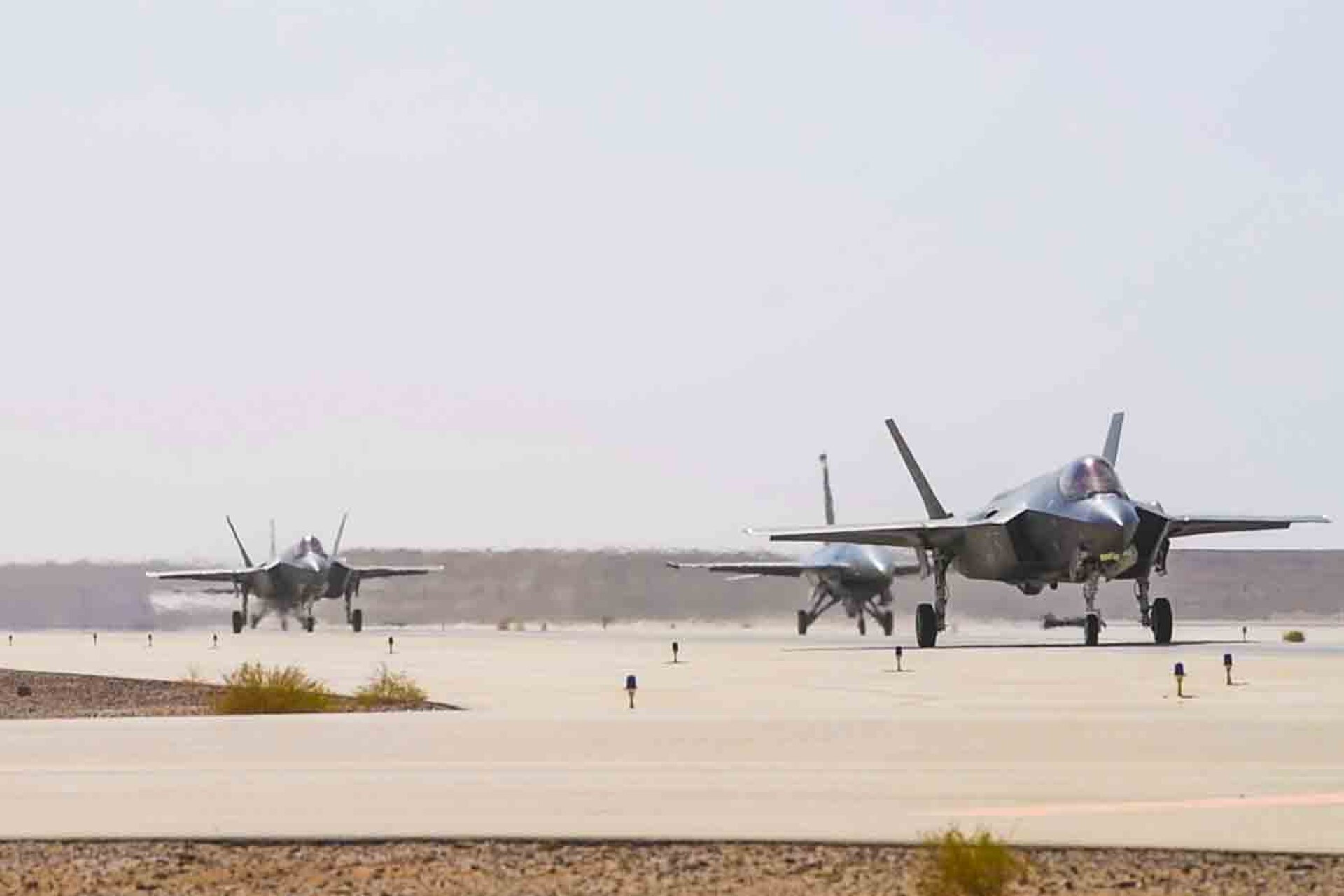
Hours after the Israeli strikes on Iran, Saudi Arabia’s Civil Defense issued a missile warning alert for Al Kharj Governorate, approximately 80 kilometers south of Riyadh. Al Kharj is home to Prince Sultan Air Base (PSAB). The Civil Defense later said “the danger had passed, without elaborating,” according to ABC News, WUSA9, and Saudi Gazette.
Iran’s military denied firing on the base. IRIB cited a military official stating: “Iran has not fired any shots” at Al Kharj Air Base — a base-specific denial issued after Saudi Civil Defense had already issued and lifted the warning. The denial addressed Al Kharj by name, which confirmed Iranian awareness of the alert and its geographic specificity.
The alert’s timing — coming after Israel’s strikes on Iranian soil and before any Iranian retaliation had been formally announced — placed Saudi Arabia inside the response window of a conflict it did not initiate, did not participate in, and was not consulted about.
On June 7 — one day before the Israeli strikes on Iran — Iranian Parliament Speaker Mohammad Bagher Ghalibaf posted on X that “the naval blockade against the Iranian nation and America’s green light today to the Zionist regime turn American and regime bases and assets in the region into legitimate targets.”
What Is Iran’s Position After the Strikes?
Iran framed the Israeli strikes as a direct consequence of the Dahiyeh attack that broke the ceasefire. The IRGC told the New York Times that Iran’s ceasefire commitment “was conditional on a cease-fire on all fronts” and described TP5 as “a warning” — adding that “if aggressions are repeated, the responses will be broader.”
An Iranian official linked to US-Iran talks told a regional news outlet that “a deal with President Trump is no longer feasible at this stage.” The statement, attributed to a senior regional official, was the first explicit declaration from the Iranian negotiating track that the MOU framework was dead — issued before Iran’s formal rejection deadline of June 9.
Iran’s state media coverage of the Israeli strikes confirmed damage to the Foreign Ministry building and the Isfahan defense ministry site while denying any operational military losses.
The Iranian denial regarding Al Kharj — “Iran has not fired any shots” — was narrow and base-specific. It did not address whether Iran had launched missiles that were intercepted before reaching their targets, whether allied forces (including Houthis or Iraqi militias) had acted, or whether the Saudi Civil Defense alert was triggered by incoming projectiles on a trajectory toward Al Kharj that ultimately fell elsewhere. Saudi authorities provided no clarification beyond confirming the danger had passed.
Why Does This Change Saudi Arabia’s PSAB Calculus?
The core assumption underpinning Saudi Arabia’s security position since the war began on March 1 has been that Washington manages the escalation ladder. The June 8 strikes broke that assumption.
Trump told Netanyahu not to retaliate. Netanyahu struck anyway. The country whose air force operates from PSAB — and whose 2,700 servicemembers live on a base Ghalibaf has called a “legitimate target” — has demonstrated it cannot constrain its closest military ally from actions that expose Saudi Arabia to Iranian retaliation.
Saudi Arabia’s air defense inventory underscores the stakes. The kingdom’s PAC-3 MSE stockpile stands at approximately 80 to 150 rounds, roughly 14% of its pre-war level. Bahrain holds approximately 8 MSE rounds. A US $9 billion Foreign Military Sales package for 730 PAC-3 MSE rounds has a delivery window extending to June 30, 2030, according to the Defense Security Cooperation Agency — four years of production at the Camden, Arkansas plant that cannot be accelerated.
There is no Status of Forces Agreement governing US military presence at PSAB. The absence of a SOFA means Saudi Arabia has no formal treaty mechanism to compel the United States to defend the base, and the United States has no formal treaty obligation to remain. The arrangement is bilateral and informal — precisely the kind of structure that frays when the partner responsible for managing escalation proves it cannot. Iran’s cessation declaration later the same day does not restore that constraint: why the Lebanon carve-out keeps PSAB doctrinally exposed even under a conditional ceasefire is detailed in the full analysis.
The March 27 strike on PSAB destroyed the E-3G AWACS — one of the most expensive surveillance aircraft in the US Air Force inventory — and forced the evacuation of KC-135 tankers. The base’s vulnerability has been demonstrated. The question of whether Washington can prevent the circumstances that produce a second strike was answered on June 8: it cannot.
The June 9 Convergence — Upended
June 9, 2026, was already the most structurally significant date of the war before Israel struck Iran. Three events were converging simultaneously: Iran’s formal rejection of the US-proposed MOU (publicly confirmed by Foreign Ministry spokesman Esmail Baghaei), Aramco’s $21.89 billion dividend payment against only $18.6 billion in free cash flow, and the continued closure of the Strait of Hormuz to normal traffic.
The Israeli strikes have collapsed the MOU track before the formal rejection could arrive. The Iranian official’s statement — “a deal with President Trump is no longer feasible at this stage” — preempted the June 9 deadline by declaring the negotiation dead, not merely rejected. The distinction matters: a rejection leaves open the possibility of a counteroffer. A declaration of infeasibility closes the track.
For Saudi Arabia, the June 9 arithmetic has not changed. Aramco will pay $21.89 billion in dividends against $18.6 billion in free cash flow — a coverage ratio of 0.85x that requires drawing on reserves or debt. The kingdom recorded a SAR 125.7 billion deficit in Q1 2026, equal to 76% of its full-year target in a single quarter. Brent crude at $94.58 remains $13-16 per barrel below the $108-111 breakeven Saudi Arabia needs to balance its budget, according to Goldman Sachs and IMF estimates.
What has changed is the diplomatic context surrounding June 9. The MOU was the framework through which Hormuz reopening — and the oil price recovery Saudi Arabia requires — was theoretically possible. With the MOU track declared infeasible, no alternative diplomatic mechanism exists. Saudi Foreign Minister Prince Faisal bin Farhan’s last confirmed contact on June 8 was a call to Qatar’s prime minister — not to US Secretary of State Rubio, not to Iranian Foreign Minister Araghchi.
Saudi Arabia’s MOFA has been silent on Iran for more than 18 days. It was excluded from the US-Iran MOU talks, from the Lebanon ceasefire follow-on scheduled for June 22 in Washington, and from the Hormuz negotiations. Iran’s pre-declaration of TP5 was conditional on Israeli strikes in Beirut — a condition Israel met. The kingdom was not consulted before the Dahiyeh strike that triggered the escalation chain, was not consulted before Trump’s request for restraint, and was not consulted before Netanyahu ignored it.
Day 100 of the 2026 Iran war ended with Israeli missiles striking Iranian soil, an Iranian denial of firing at a Saudi air base that Saudi authorities could not corroborate or refute, and a declaration from the Iranian negotiating track that the US diplomatic framework was dead. The country that defends PSAB has proven it cannot control the ally whose actions expose PSAB to retaliation. Saudi Arabia’s 80-150 remaining PAC-3 rounds are the margin between that structural fact and its physical consequence. Within hours, the IRGC launched Operation Nasr against Nevatim and Tel Nof — striking Israel’s F-35I hub while leaving Saudi Arabia untouched again, the Helsinki bilateral track absorbing its second consecutive operation in 48 hours.
Frequently Asked Questions
Did Iran retaliate against Saudi Arabia after the Israeli strikes on June 8?
Saudi Civil Defense issued and lifted a missile alert for Al Kharj — home to PSAB — but provided no details on what triggered it. Iran specifically denied firing at Al Kharj Air Base. Neither Saudi nor US officials have confirmed whether incoming projectiles were detected, whether the alert was triggered by a trajectory analysis of missiles aimed elsewhere, or whether allied forces separate from the IRGC were involved. The ambiguity itself is strategically significant: Saudi Arabia issued a civil defense alert for its most sensitive military installation and could not publicly explain why.
Has any US president previously failed to prevent an Israeli strike he publicly opposed?
The June 8 episode is unusual in its explicitness. Trump’s statements to Axios (“I am going to call Bibi right now and tell him not to retaliate”) and the Financial Times (“I call all the shots”) were public and unambiguous. Prior US-Israel disagreements over military operations — including the 1981 Osirak reactor strike, which the Reagan administration condemned publicly but had received advance intelligence on — typically involved private channels and post-hoc disagreement rather than a real-time, public presidential request followed by immediate defiance.
What does it mean that Saudi Arabia has no SOFA with the United States?
A Status of Forces Agreement is the treaty framework that governs the legal status, obligations, and rights of foreign military forces on a host nation’s territory. Without a SOFA, the United States has no formal treaty obligation to defend PSAB, and Saudi Arabia has no binding mechanism to hold Washington to any particular posture. The 9,000 US personnel at NSA Bahrain operate under a 1992 SOFA — a formal legal instrument that defines mutual obligations. PSAB’s arrangement is informal and bilateral, meaning it can be renegotiated, downgraded, or terminated without the treaty procedures that govern formal alliance relationships.
Why did Israel strike Iran’s Foreign Ministry building?
Israel has not publicly explained the targeting of the Foreign Ministry building in Tehran. Iran’s deputy foreign minister described it as a deliberate act, sourcing the claim to Nour News, the Supreme National Security Council’s media outlet. The building’s inclusion alongside drone storage facilities and defense ministry sites in Isfahan suggests the operation was not limited to military-industrial targets — a distinction that will shape Iran’s legal and rhetorical framing of any counter-response,.
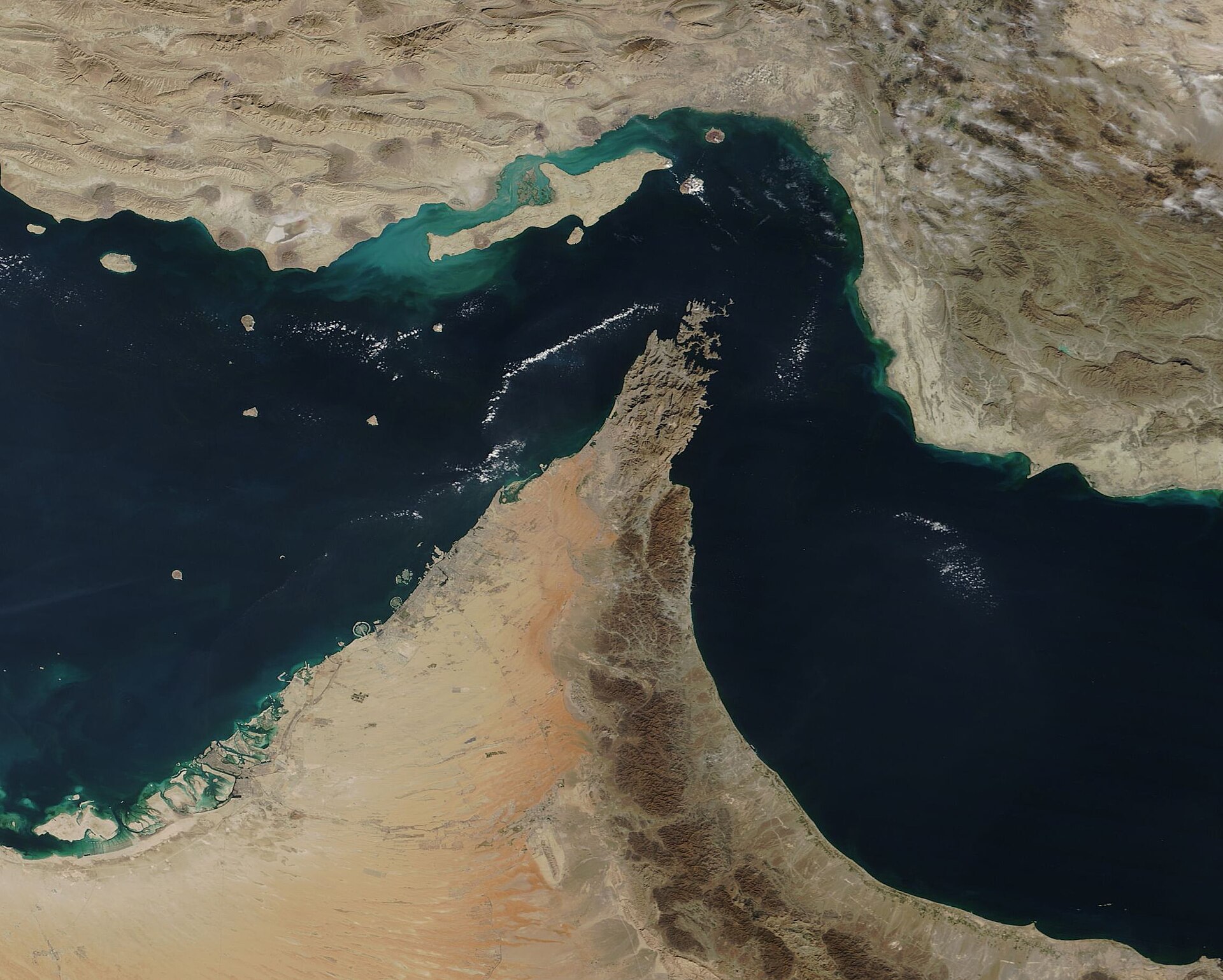
Can the Strait of Hormuz reopen without a US-Iran deal?
No current diplomatic mechanism exists for Hormuz reopening outside the MOU framework, which an Iranian official declared “no longer feasible” on June 8. The Oman back-channel — the last remaining complete GCC diplomatic bridge to Tehran — was threatened by Trump on May 28 and has since been functionally suspended. Pakistan’s dual-letter courier channel through Interior Minister Naqvi operates at the IRGC level but lacks the authority to negotiate maritime passage terms. Saudi Arabia’s own private de-escalation track with Iran, documented in earlier reporting, has produced no public results.