
{“content”: “
n
WASHINGTON u2014 On May 27, the White House called Iran’s version of the memorandum of understanding “a complete fabrication.” Iran’s semi-official Tasnim news agency responded on June 1 by announcing that Tehran would make its own counter-amendments to Washington’s latest draft, with an informed source declaring that American edits “do not imply Tehran’s approval.” The two sides are not arguing over the terms of a deal u2014 they are disputing whether the same document exists.
n
n
n
The Middle East briefing 3,000+ readers start their day with.
One email. Every weekday morning. Free.
This distinction matters more than any specific clause in either draft. Every previous round of this negotiation u2014 the Islamabad Talks in April, the Witkoff shuttle diplomacy, Trump’s tightened May 31 edits u2014 assumed a shared text that both sides were trying to fix, and that assumption is now dead. The two versions describe entirely different transactions: Iran’s covers military de-escalation; America’s covers nuclear surrender. For Saudi Arabia u2014 excluded from every intermediary track, structurally unable to carry its own Hormuz message, and silent for twelve consecutive days u2014 a deal that dissolves through competing realities is worse than one that fails through rejection, because rejection produces a resumption date and competing realities produce the one thing oil markets cannot price: indefinite ambiguity.
n
n
n
n
Table of Contents
n
n
n
- n
- What Did the White House Mean by ‘Complete Fabrication’?
- How Does a Deal Die When Neither Side Rejects It?
- The Document Is Getting Longer, Not Closer
- Why Can Pakistan Carry the Message but Not Fix the Document?
- Who Must Approve the Iranian Text and How Long Does It Take?
- Missiles and Memos Arrived on the Same Day
- What Does Document Dissolution Mean for Saudi Arabia?
- Frequently Asked Questions
n
- n
n
n
n
n
n
n
n
n
n
n
n
n
n
n
n
n
n
n
n
n
n
n
n
n
n
n
n
n
n
n
n
n
What Did the White House Mean by ‘Complete Fabrication’?
n
n
n
The White House denied the content of Iran’s publicly released MOU draft u2014 specifically, the complete absence of nuclear provisions u2014 not the existence of negotiations. Iran’s version described a blockade-lift and withdrawal framework with no HEU language; the US version centred on uranium surrender within sixty days. Both governments now officially deny the other’s text is real u2014 a condition without precedent in modern arms-control diplomacy.
n
n
n
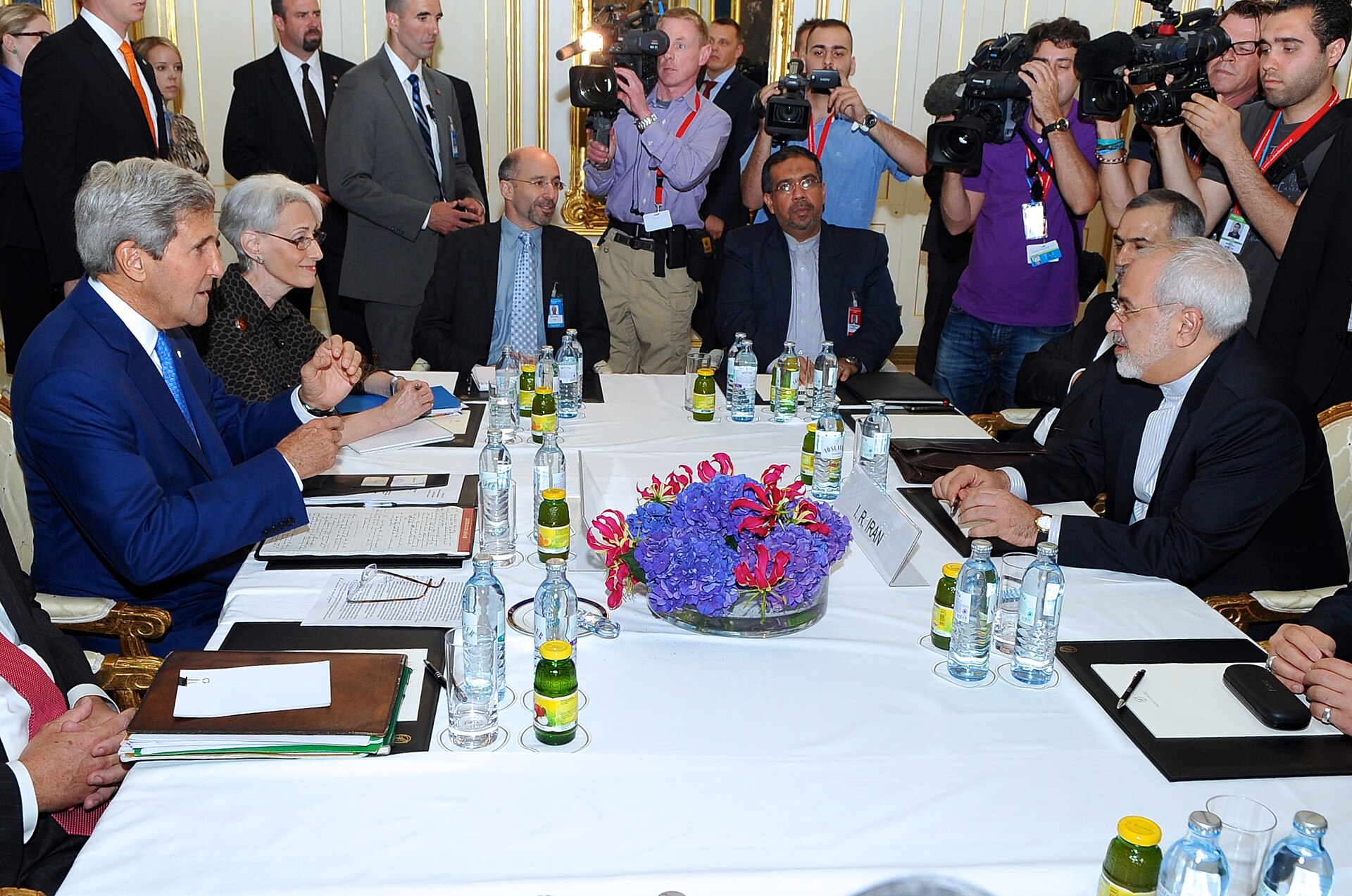
The Iranian draft, broadcast on state television (IRIB), described a framework under which the United States would lift its naval blockade in the Strait of Hormuz and withdraw military forces from the region, with no language whatsoever on highly enriched uranium, enrichment capacity, or the IAEA inspection regime that has been degraded since February 2026. The version described by American officials u2014 including Vice President JD Vance, who told CBS in late May that negotiations were “going back and forth on a couple of language points” regarding “the highly enriched stockpile, and also the question of enrichment” u2014 centred on what the White House has called “giving up the nuclear dust” within sixty days. One text describes a military de-escalation agreement; the other describes a non-proliferation framework with military withdrawal as an incentive. The gap between them is not a drafting problem, it is a conceptual one, and no volume of shuttle diplomacy through Islamabad can resolve a disagreement about what kind of deal is being negotiated.
n
n
n
The White House’s choice of the word “fabrication” u2014 rather than “inaccurate,” “misleading,” or “preliminary” u2014 carries its own diplomatic weight. Fabrication implies manufacture from nothing, not distortion of something real; it is the language of denunciation, not correction, posted on a social media platform where deletion would itself become a story and where screenshots have already been archived by allied and adversary media alike. Once a government calls the other side’s text fabricated in a medium that produces permanent records, quiet convergence on language Iran proposed in that version requires either a public White House retraction or a face-saving reframe that neither side has reason to provide. Republican senators Cotton, Cruz, Wicker, and Graham have already staked positions against the deal’s framework (The Hill, May 27), which means any presidential retreat toward Iranian-proposed language would invite a domestic confrontation the White House has no appetite for during an active military operation. Evidence of how Tehran read that constraint emerged on June 1: the Senate bloc Iran identified as the MOU’s real bottleneck was the audience for the same-day suspension, Kuwait strike, and Hormuz threat — not Trump.
n
n
n
n
n
n
How Does a Deal Die When Neither Side Rejects It?
n
n
n
It dies through dissolution rather than rejection. Neither the United States nor Iran has formally walked away from the negotiation. Both have instead denied the other’s version of the text is real u2014 the White House calling Iran’s draft “fabricated,” Tasnim declaring that US edits do not constitute Iranian approval u2014 creating a process that continues in form while ceasing to function in substance. This is not a stalled negotiation; it is an evaporating one.
n
n
n
The conventional framework for understanding a failed deal involves one side saying no, the other noting the refusal, and the structure of the disagreement becoming clear enough for a future round to address. The Iran-US MOU is doing something categorically different. Iran’s June 1 response to Trump’s tightened edits was not a rejection u2014 Tasnim reported that Tehran would “also make our own amendments,” and an informed source stated that “Iran will only accept a draft it agrees to” (Tasnim via Xinhua, June 1). This is the language of continued engagement, but engagement with a document whose other version the counterparty has already called a fabrication. Trump, for his part, described the ceasefire as being “on massive life support” in language calibrated for maximum pessimism u2014 “when the doctor walks in and says, ‘Sir, your loved one has approximately a 1 percent chance of living’” (PBS, May 10u201311) u2014 while simultaneously sending revised text back to Tehran, which is not something you do to a patient you have declared terminal.
n
n
n
The closest structural parallel is not a Middle Eastern negotiation but a European one. The Minsk I and II agreements between Russia and Ukraine (2014u20132015) produced signed documents that both sides interpreted through incompatible frameworks, each party using the text to advance contradictory implementation demands while insisting its reading was the only valid one. The current Iran-US dynamic is at the pre-signature equivalent of Minsk: neither party will produce the same text, let alone sign one, and the competing versions are being publicised rather than negotiated behind closed doors. The Minsk process took eight years to collapse formally into open warfare u2014 a timeline that oil markets, Hormuz transit insurance, and Saudi Arabia’s already-overdrawn budget cannot absorb.
n
n
n
The Document Is Getting Longer, Not Closer
n
n
n
The Islamabad Talks on April 11u201312 u2014 a 300-member US delegation led by Vice President Vance, Steve Witkoff, and Jared Kushner facing a 70-member Iranian delegation led by Parliament Speaker Ghalibaf and Foreign Minister Araghchi u2014 produced, after twenty-one hours, a fourteen-point one-page MOU skeleton (NPR, April 2026). That skeleton was the high-water mark of shared textual agreement between the two sides. Every subsequent iteration has added provisions rather than resolving existing ones, and the document is now on its third round of edits with no signed baseline at any stage.
n
n
n
Trump’s May 31 revision u2014 sent back to Tehran with tightened HEU removal timelines and rewritten Hormuz language u2014 folded Phase 2 nuclear provisions into Phase 1, demanding that Iran address its highly enriched uranium stockpile before receiving sanctions or blockade relief. The HEU figure that anchors this demand u2014 440.9 kilograms of 60% enriched uranium u2014 has itself been unverifiable since late February 2026, when IAEA inspectors lost continuity of knowledge in a ninety-three-day verification blackout that means the number at the centre of the entire negotiation is a consensus fiction both sides use because no newer figure exists. Iran’s June 1 response u2014 “we will also make our own amendments” u2014 guarantees a fourth iteration, and there is no historical precedent suggesting the fourth draft of a document whose third draft provoked a “fabrication” accusation will be shorter or simpler than its predecessors. The collapse of that fourth-round prospect was confirmed the same day when Trump told NBC News he had not been informed Iran had suspended the mediator channel entirely u2014 meaning the White House learned the negotiation had structurally ended from a reporter’s question rather than from its own diplomatic apparatus.
n
n
n
The Arms Control Association assessed in April 2026 that Witkoff “did not have sufficient technical expertise or diplomatic experience to engage in effective diplomacy” and had failed to “learn the nuclear file and surround himself with the technical expertise necessary to negotiate an effective deal.” This matters because the HEU timing language Trump added in his May 31 edit u2014 the language Iran is now counter-amending u2014 was drafted by a team the arms control community has publicly judged unqualified to write it. Iran’s negotiators, several of whom participated in the 2015 JCPOA talks and understand enrichment verification at the engineering level, are aware of this assessment. Ebrahim Rezaee, an Iranian lawmaker, described the current US draft as “more of an American wish-list than a reality” (Iran International, May 2026), a formulation that functions as a polite way of saying the text was drafted by someone who does not grasp what its own words would require. Trump has also privately told Netanyahu that the final deal requires full dismantlement and complete HEU removal u2014 terms the MOU does not contain in either version u2014 which means the United States is negotiating from a document that does not match what its own president has promised a key ally.
n
n
n
n
n
n
Why Can Pakistan Carry the Message but Not Fix the Document?
n
n
n
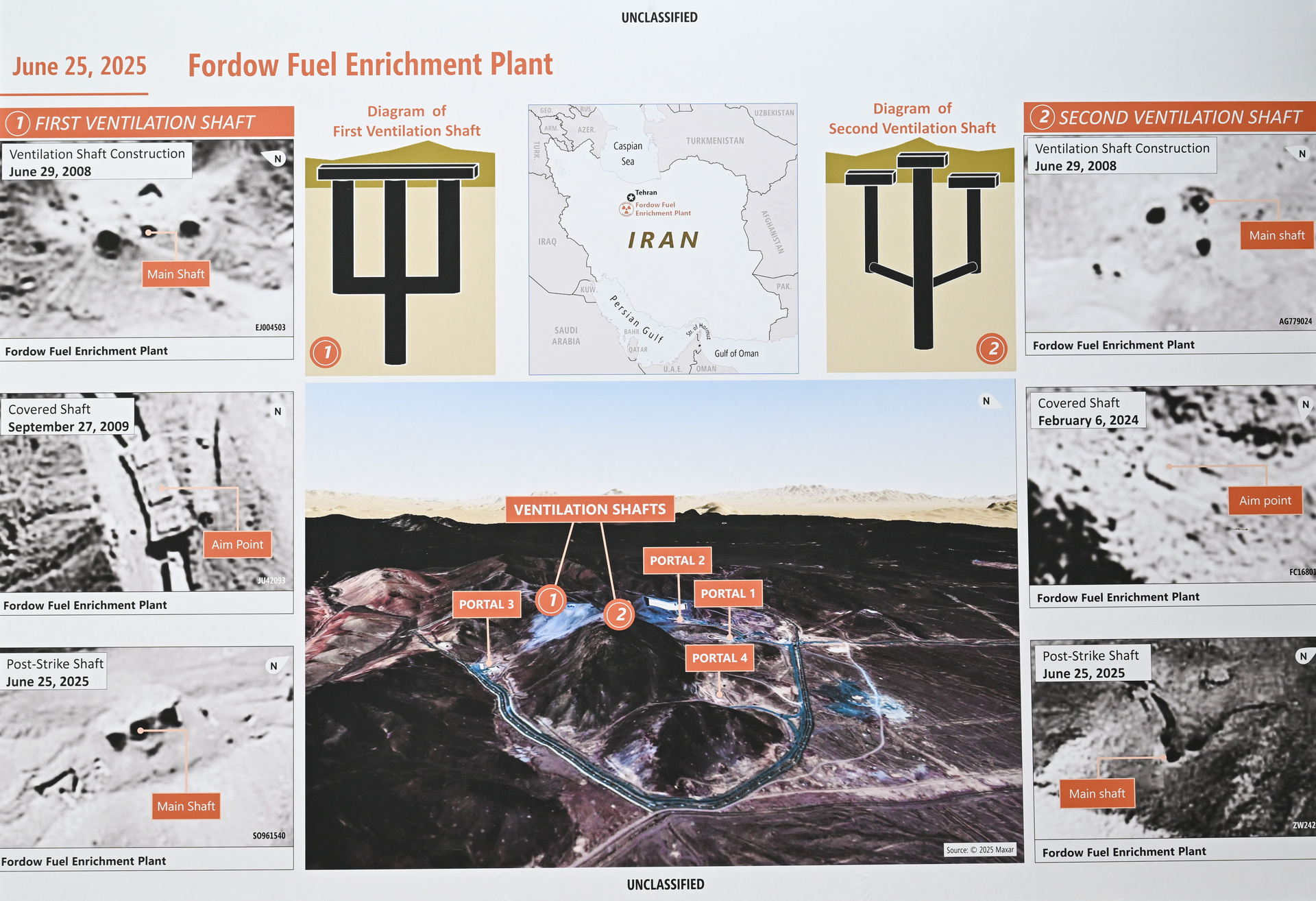
Pakistan can relay documents between Washington and Tehran u2014 the Stimson Center and Quwa describe Islamabad as a “transmission node under constraint” u2014 but it cannot reconcile two texts that describe fundamentally different transactions. Qatar lost its mediation capacity to Israeli strikes on Doha infrastructure; Oman’s backchannel was compromised when Iran targeted Omani ports. Pakistan fills the gap, but filling a gap is not the same as closing one.
n
That courier function took a more complex form on June 7, when Interior Minister Naqvi delivered two separate letters to Supreme Leader Khamenei simultaneously — one from PM Shehbaz, one from Army Chief Munir — a dual-letter architecture that gives Tehran interpretive flexibility over which Pakistani institutional authority it is engaging with, and which neither side of the MOU negotiation instructed Islamabad to build.
n
n
n
Islamabad stepped in because it shares approximately 900 kilometres of border with Iran, does not recognise Israel, and maintains working diplomatic relationships with both capitals simultaneously. Army Chief Asim Munir’s personal intervention brought both delegations to Islamabad in April. But a transmission node works when both sides are editing the same document and need a secure channel to pass drafts between capitals u2014 it fails when both sides are publishing different documents to their own media and need someone to reconcile what the other side actually means. The Al Jazeera Centre for Studies framed the limitation precisely: Pakistan characterised Pakistan as providing “access without consolidation” Islamabad has neither the institutional authority nor the technical capacity to make binding interpretive judgments about whether the nuclear file belongs inside the MOU, which is the question the competing texts have forced into the open.
n
n
n
Pakistan’s own diplomatic history illustrates how thoroughly the current situation inverts its historical strength. In 1971, Ambassador Agha Hilaly transmitted the secret messages that opened the Nixon-China channel u2014 a model that worked because both Washington and Beijing wanted an outcome and needed deniability about the process of reaching it. Neither the United States nor Iran is pursuing deniability in the current negotiation; both are publicising their texts, calling the other side’s fabricated, and using media channels that produce permanent records. The separate Iran-Oman track on Hormuz legal architecture u2014 confirmed by Bagheri Kani on PressTV as recently as May 27 u2014 runs parallel to the Pakistan-relayed MOU track with no coordination mechanism between them, which gives Iran the structural ability to advance incompatible positions through two intermediaries simultaneously, each of which lacks the mandate to check the other’s work.
n
n
n
Who Must Approve the Iranian Text and How Long Does It Take?
n
n
n
Mojtaba Khamenei holds effective ratification authority over the Iranian MOU position and communicates from an underground facility by motorcycle courier u2014 a minimum seventy-two-hour window on any exchange. Israeli sources confirmed in late May that there was “no indication” he had approved any draft (Times of Israel). Iran International reported eight of his ten pre-approved conditions violated by the current US text: not a drafting gap but a fundamental incompatibility.
n
n
n
The competing-texts problem compounds the courier problem in ways that a single-document negotiation would not generate. When one agreed text exists, a courier carries a document and returns with approval, rejection, or marked amendments u2014 a slow process, but a linear one. When two texts exist and neither side acknowledges the other’s, the courier must carry not just a document but an interpretive framework, and return not just with amendments but with instructions about which version of reality those amendments apply to. Every road to the Iran deal runs through a man Saudi Arabia cannot reach, and the road just acquired a fork that the motorcycle courier system was not designed to navigate u2014 a fork that requires not a faster messenger but a decision about which map to follow.
n
n
n
n
n
n
“By continuing the maritime blockade and making excessive demands in negotiations, he has proven more than ever that he is not a man of negotiation and is pursuing other goals.”
n
n
n
u2014 Mohsen Rezaei, former IRGC chief commander and adviser to Mojtaba Khamenei, May 30, 2026 (PressTV / Islam Times)n
n
n
n
n
n
n
Rezaei’s framing u2014 that Trump is “pursuing other goals” u2014 is the IRGC’s institutional conclusion coded for public consumption, where the “other goals” read as permanent Hormuz military presence rather than a negotiated settlement. Ghalibaf, the Parliament Speaker who led Iran’s Islamabad delegation and maintains close IRGC alignment, stated in May that Iran will “achieve its rights not through dialogue, but with missiles” and that Iranian negotiators have “no trust” in the enemy’s “words and promises” (Times of Israel, May 2026). Rezaei labelled the current impasse Trump’s third act of diplomatic betrayal u2014 after the 2018 JCPOA withdrawal and the failed pre-war Geneva talks in February 2026 u2014 a continuity narrative published through PressTV that frames the competing-texts problem not as a negotiating failure but as confirmation that the American text was never intended to be signed.
n
n
n
n
n
n
Missiles and Memos Arrived on the Same Day
n
n
n
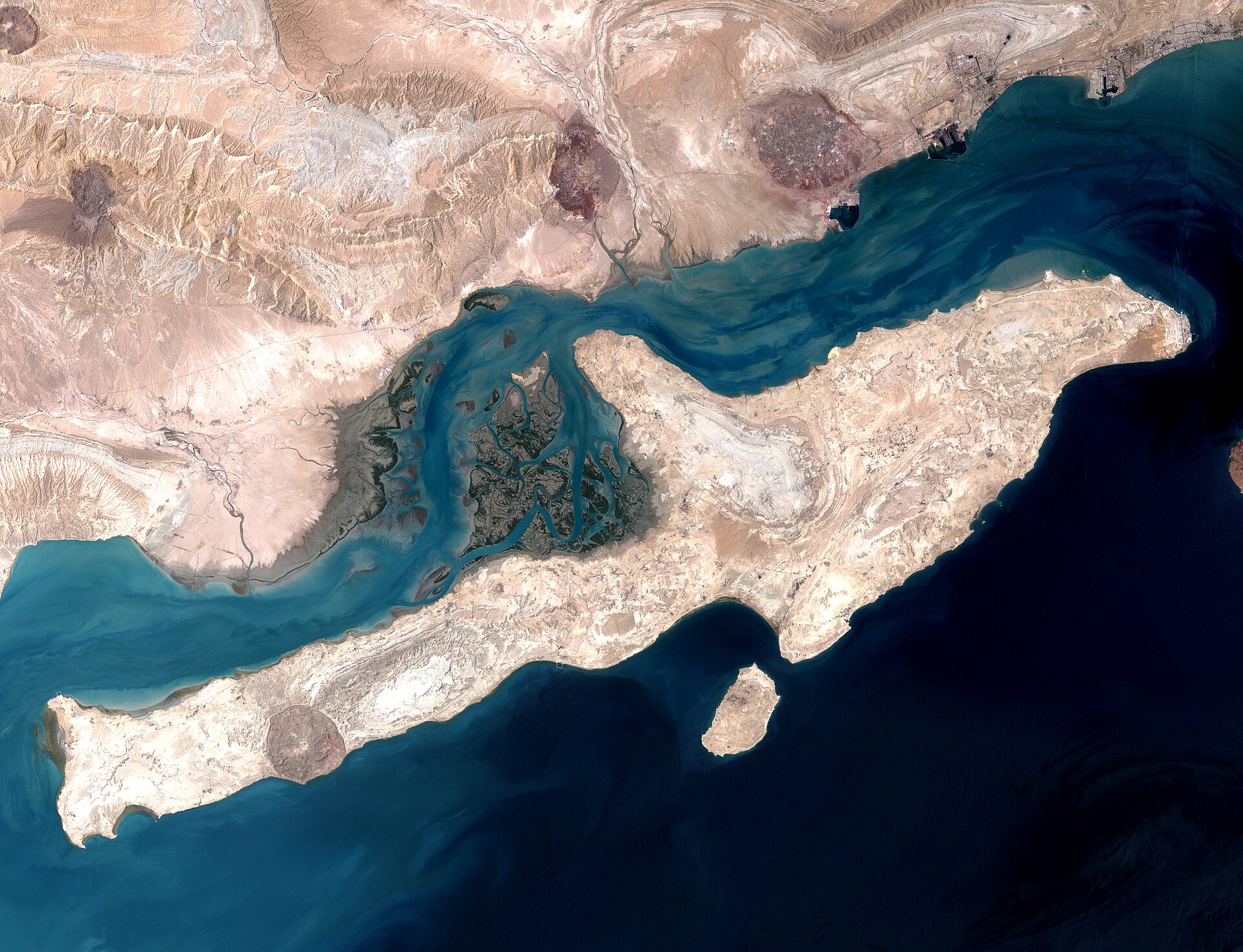
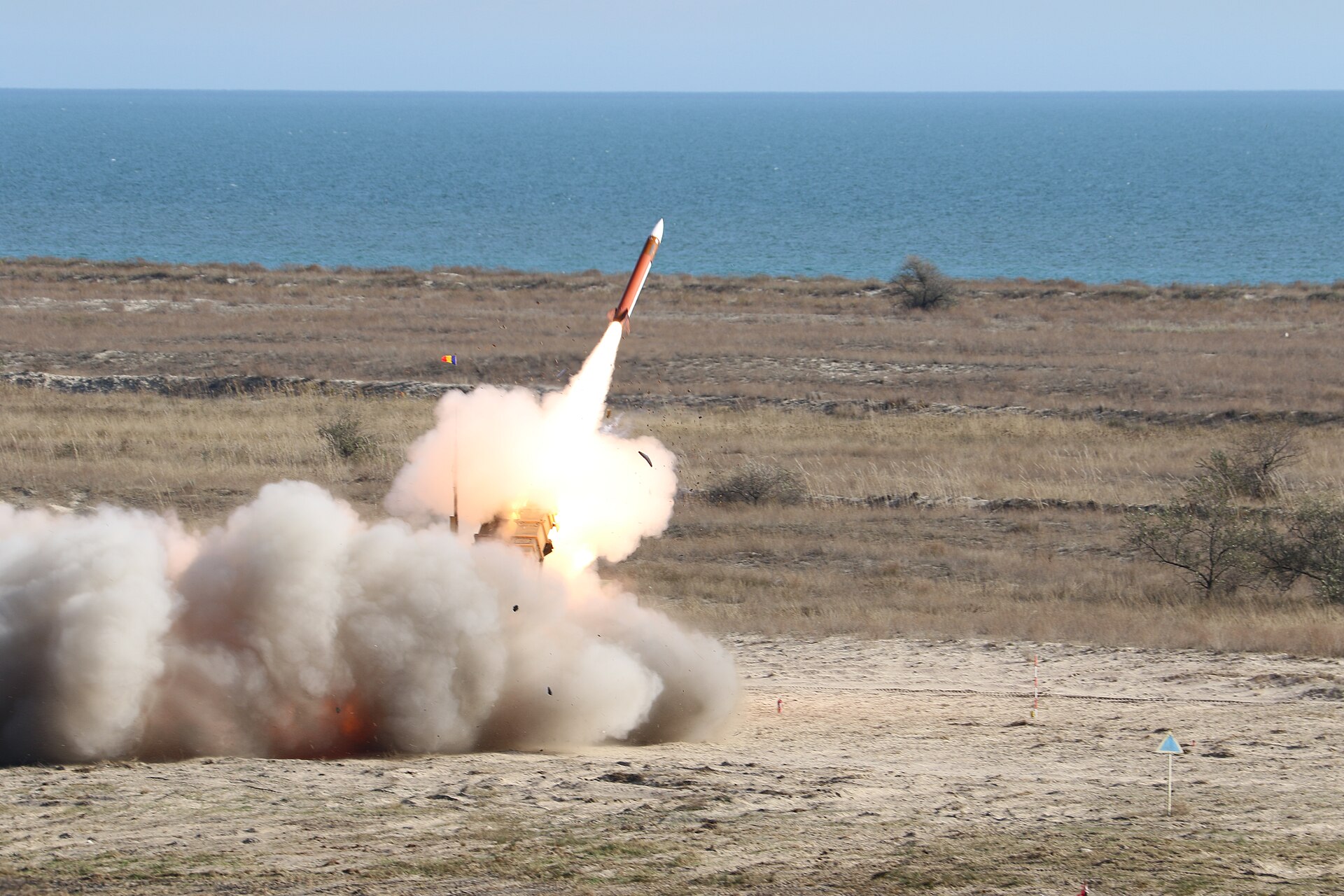
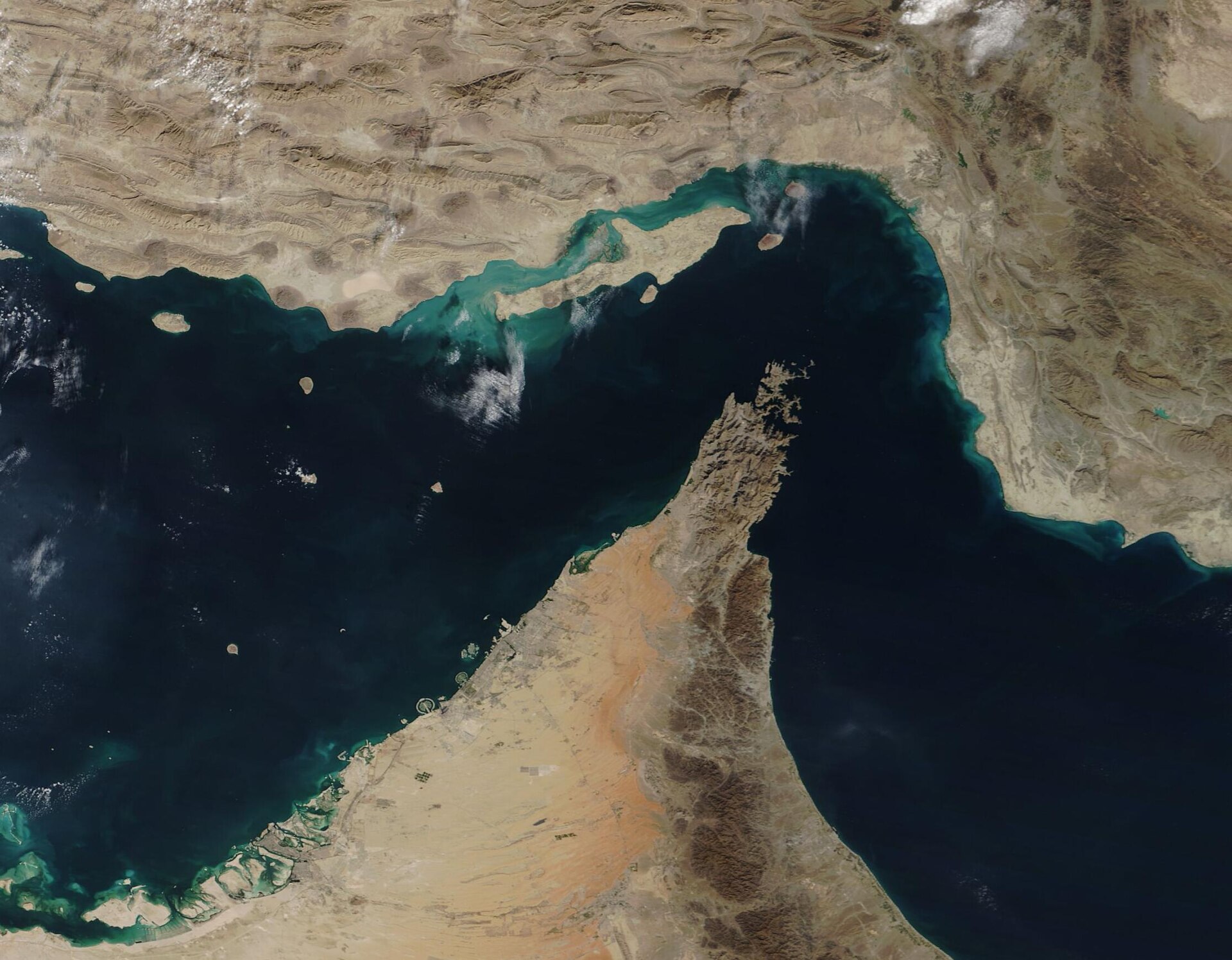
On the weekend of May 31 to June 1, three developments occurred in direct temporal overlap: Trump’s revised MOU draft arrived in Tehran, Iran announced its counter-amendments through Tasnim, and CENTCOM struck Iranian radar and drone command-and-control sites at Goruk and Qeshm Island, citing the shootdown of a US MQ-1 drone over international waters (CENTCOM statement; Euronews, June 1). Euronews framed these as simultaneous events, and the simultaneity is itself the analytical point u2014 not the individual developments, each of which has been covered in detail, but the fact that a military strike, a diplomatic revision, and an adversary counter-offer occupied the same twenty-four-hour window.
n
n
n
This was CENTCOM’s third strike on Iranian territory since the April 7 ceasefire, and each previous strike occurred during an active phase of MOU negotiation. Each was characterised by CENTCOM as “self-defence” u2014 a legal framing that sidesteps the question of whether destroying a country’s radar installations while your envoy’s revised text is being couriered to its leadership constitutes escalation or coercion dressed as diplomacy. From Tehran’s vantage point, the United States is simultaneously demanding nuclear concessions specified in language the arms control community has called technically unqualified, denying the existence of the text Iran published, and destroying Iranian military infrastructure on a weekend when Iran announced it would counter-amend the American draft.
n
n
n
The IRGC retaliated by targeting Ali Al Salem air base in Kuwait, extending a pattern that has produced 362 confirmed Kuwaiti intercepts since March (IISS). That same morning, Iran simultaneously allowed the first inbound commercial vessel u2014 the MV KSL XINYANG, carrying Iraqi oil equipment u2014 through Hormuz since the February closure, a dual-track signal whose strategic logic Iran Opened Hormuz for Iraq and Bombed Kuwait for America on the Same Morning examines in detail. Rezaei’s “other goals” formulation u2014 the coded suggestion that the real American objective is permanent Hormuz military presence, not a negotiated settlement u2014 gains institutional traction each time the military and diplomatic tracks run in parallel rather than in sequence. For the hardline faction that controls Mojtaba’s advisory apparatus, the simultaneity is the evidence: you do not bomb a country while couriering it a revised text unless the text is the cover and the bombs are the objective, and every CENTCOM strike during an active MOU phase reinforces the position of the people who have argued from the beginning that no document is worth signing.
n
n
n
What Does Document Dissolution Mean for Saudi Arabia?
n
n
n
It means indefinite ambiguity u2014 the one outcome Riyadh cannot plan around. A signed deal sends Iranian oil back to market and pushes Brent below Saudi Arabia’s $108u2013111 fiscal breakeven. A rejected deal produces a resumption date. Document dissolution produces neither: no price signal, no timeline, no channel for Riyadh to influence a process that determines its fiscal survival.
n
n
n
Saudi Arabia’s foreign ministry has not issued a substantive statement on the Iran-US MOU since Faisal bin Farhan’s May 20 call to “restore Hormuz to the state prior to February 28th 2026” u2014 twelve days of silence through which Trump called the ceasefire terminal, the White House called Iran’s text fabricated, Iran announced counter-amendments, and CENTCOM struck Iranian soil again. Riyadh is not present at the table, not included in the Pakistan intermediary track, not referenced in either side’s version of the document, and has not been invited to contribute language to any draft. This is not strategic ambiguity of the kind Saudi diplomatic practice was designed to manage u2014 it is structural irrelevance in a negotiation whose outcome determines whether Saudi Arabia can afford the peace it says it wants.
n
n
n
The fiscal mechanics of the non-deal are asymmetric in a way that clean outcomes would not produce. Brent crude fell 17u201319% in May 2026 u2014 the worst monthly decline since COVID-2020, per CNBC u2014 to approximately $91u201392 per barrel, a decline that embeds a deal premium: markets are pricing a signed MOU and an eventual Iranian oil return. If the competing-texts dynamic confirms that no convergent document exists to sign, the deal premium unwinds and Brent reprices toward $100 or above as military escalation risk returns to the forward curve u2014 but a war-premium spike is not the stable high-price environment Saudi fiscal planning requires, and Goldman Sachs has modelled Iranian production returning at 800,000 barrels per day within six months of any eventual signing, which would push Brent further below the breakeven into a band where Aramco’s quarterly dividend already exceeds its free cash flow by an accelerating margin. The non-deal occupies precisely the zone between these two outcomes where neither can be hedged against, because you cannot hedge against a deal that might or might not exist in a form both parties might or might not acknowledge.
n
n
n
Somewhere between Islamabad and Tehran on June 1, a Pakistani intermediary is carrying an Iranian counter-amendment to a document the White House has already called a fabrication. The man who must approve Iran’s response operates from a bunker and communicates by motorcycle courier with a minimum seventy-two-hour turnaround. Saudi Arabia has no seat at that table, no channel to either capital, and no text of its own u2014 and each of those seventy-two hours costs Riyadh roughly $6 million in Hormuz-dependent oil revenue it cannot recover. That calculus shifted further on June 1, when Iran suspended MOU talks and declared Bab al-Mandab a resistance front, closing Saudi Arabia’s Yanbu bypass route as a second chokepoint.
n
n
n
Frequently Asked Questions
n
n
n
What were the Islamabad Talks and why did they not produce a signed deal?
n
n
n
The Islamabad Talks (April 11u201312, 2026) were the only face-to-face negotiation between the US and Iran during the current conflict, hosted in Pakistan’s capital after Army Chief Asim Munir’s personal diplomatic intervention brought both delegations to the table. A 300-member American delegation and a 70-member Iranian team negotiated for twenty-one hours and produced a fourteen-point one-page MOU skeleton u2014 the sole moment of shared textual agreement. The talks ended without a signed deal because Iran’s nuclear programme and the Hormuz blockade status remained unresolved, and every subsequent editing round has expanded rather than narrowed that gap.
n
n
n
What is the PGSA and why does it complicate the MOU?
n
n
n
The Persian Gulf Security Agreement is Iran’s unilateral maritime toll system in the Strait of Hormuz, charging approximately $2 million per transit for non-exempted vessels payable in yuan or cryptocurrency. The PGSA was designated under OFAC SDN sanctions on May 28, 2026, creating a binary compliance trap for international shipping insurers: any vessel that pays the toll violates US sanctions, and any that refuses risks Iranian interdiction. The MOU’s Hormuz provisions u2014 which differ fundamentally between the US and Iranian versions u2014 would theoretically resolve the PGSA’s legal status, but the competing-texts dynamic means the two sides have not agreed on what “resolve” means in operational terms, let alone who enforces it.
n
n
n
Has any country successfully mediated between the US and Iran before?
n
n
n
Oman mediated the secret backchannel that produced the 2015 JCPOA, with Sultan Qaboos personally hosting talks in Muscat beginning in 2012. Switzerland has served as the US protecting power in Tehran since 1980 and maintains emergency diplomatic communication channels. Algeria, Norway, and Japan have all attempted intermediary roles at various points since the 1979 revolution. Pakistan’s current role is historically unprecedented in that it is conducting shuttle diplomacy during an active military conflict between the two parties u2014 a constraint that distinguishes it from every prior mediation attempt and helps explain why transmission-without-reconciliation has proven structurally insufficient.
n
n
n
What happens to the ceasefire if the MOU process collapses entirely?
n
n
n
The April 7 ceasefire has no formal legal instrument underpinning it u2014 it is a de facto reduction in hostilities sustained by mutual restraint and diplomatic momentum, not by a signed agreement. CENTCOM has conducted three strikes on Iranian territory since it began, and Iran has continued targeting Kuwait-based US assets and Hormuz shipping lanes. A formal collapse of the MOU process would not technically end the ceasefire because the ceasefire was never formally established, but it would remove the diplomatic framework that currently gives both sides justification to characterise their ongoing military actions as self-defence incidents rather than a resumption of full hostilities u2014 a distinction that matters less on the ground than it does in the UN Security Council and at Lloyd’s of London.
n
n
n
Why is Saudi Arabia excluded from the Iran-US MOU negotiation?
n
n
n
Saudi Arabia has no formal diplomatic relations with Iran above the foreign-minister level, no treaty alliance with the United States that would guarantee consultation on regional security arrangements, and no intermediary channel to Mojtaba Khamenei, who holds effective ratification authority on the Iranian side. Riyadh’s four known contacts with Tehran u2014 the Bin Farhanu2013Araghchi exchanges and MBS’s Eid call to President Pezeshkian u2014 all operated at the foreign-ministry tier, which the IRGC restructuring under Mojtaba has rendered structurally irrelevant to MOU approval decisions. Both the Pakistan MOU track and the Oman Hormuz track exclude Saudi input by design, not by oversight, and Bin Farhan’s May 20 statement is the last substantive Saudi diplomatic position on record. That exclusion deepened on June 1 when Iran cited the Lebanon precondition to freeze MOU talks entirely — inserting a fourth country and a third party into a negotiation Riyadh was already excluded from, as analyzed in Trump Said Ceasefire. Katz Said No. Iran Used the Contradiction to Freeze the MOU. The civilian-government dimension of that exclusion sharpened on June 2: what Pezeshkian’s reported resignation letter reveals about the IRGC’s displacement of Iran’s civilian foreign policy apparatus — and why the MOU’s counterparty problem is now structural, not personal. That structural problem culminated on June 2: Reuters reported Iran was preparing a formal rejection of the MOU proposal — not merely suspending talks, but declining the document itself.
n
n”}
n