DOHA — The United States and Iran spent twelve hours on June 28 trading missile strikes, each invoking the Islamabad Understanding to justify its attacks, before Qatar’s Emir Sheikh Tamim bin Hamad Al Thani brokered a phone call that persuaded both sides to stop shooting — without altering a single clause of the agreement that had failed to prevent any of it. “We decided to stop all the kinetic activity,” a senior US official told CNN on June 29, in language so antiseptically removed from the preceding day’s violence that it might have been a facilities manager switching off a generator.
The stand-down is oral, carrying no written documentation, no amendment to the MOU, no codicil, and no enforcement mechanism for the next violation. The fourteen-point text signed in Islamabad on June 17 remains operative and unchanged, its Article 12 promising “an executive body to oversee implementation and ensure compliance” — a body that does not exist twelve days and two rounds of mutual strikes later. The IRGC’s accusation that the US violated the MOU first and the American accusation that Iran struck first both stand unretracted. Neither side withdrew; both simply agreed, by phone, to stop shooting and move the talks from Geneva to Doha.
Table of Contents
- How Did the Stand-Down Happen?
- Both Sides Claim the Other Violated First
- What Does Article 12 Actually Enforce?
- The Minsk II Problem: 320,130 Violations and Counting
- Where Was Saudi Arabia When the Rules Were Rewritten?
- Qatar Brokered the Peace While Burying Its Dead
- Does the MOU Have a Floor?
- The PGSA Did Not Stand Down
- Frequently Asked Questions
How Did the Stand-Down Happen?
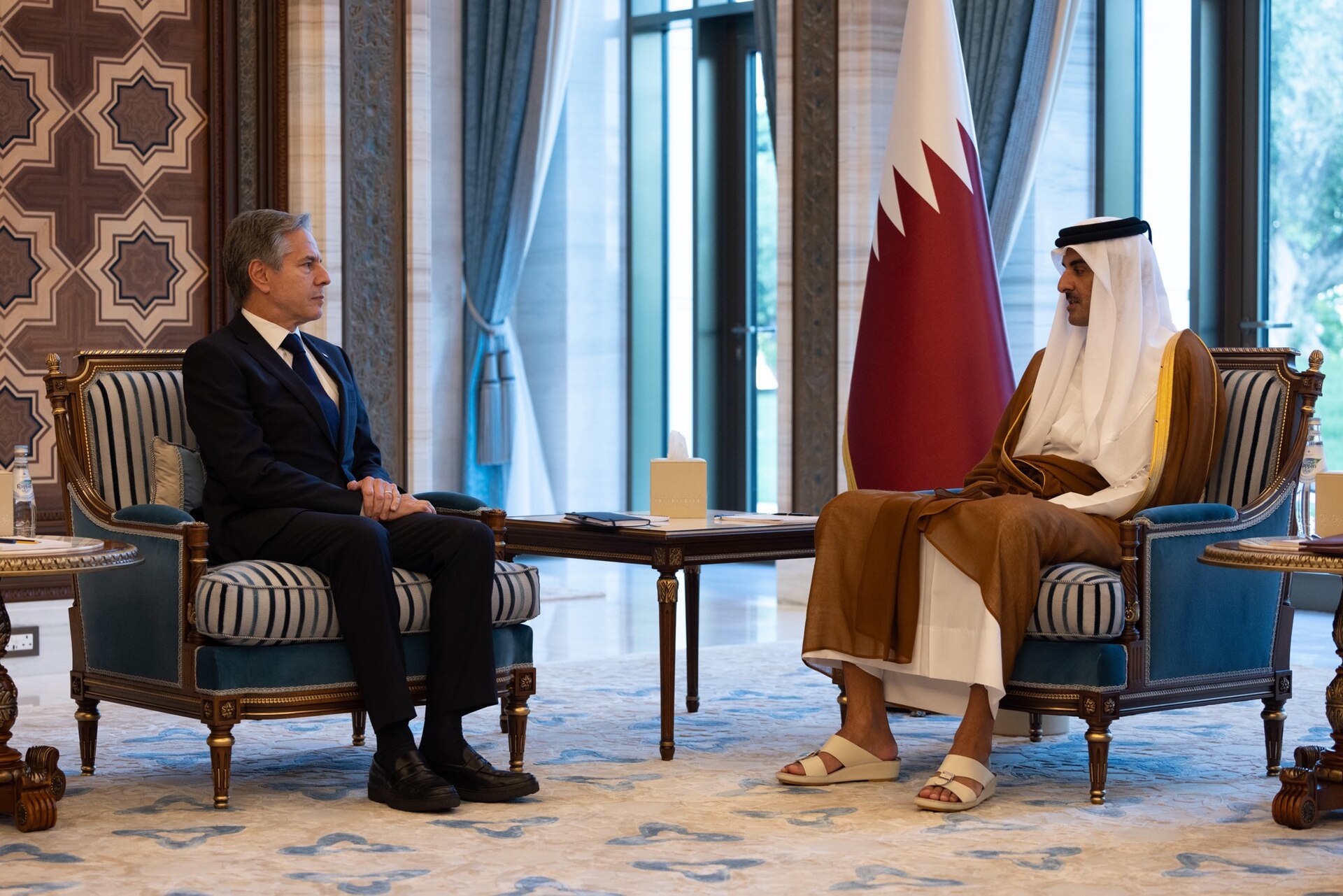
Qatar’s Emir Sheikh Tamim brokered a phone call between Washington and Tehran on June 28-29, urging President Trump to halt further strikes because a deal was close, and both sides agreed to stop shooting — without producing a single written document or amending the Islamabad MOU. The sequence that produced this reversal compressed an entire escalation cycle — strike, counterstrike, existential threat, and diplomatic reset — into fewer than twenty-four hours.
Iran’s Islamic Revolutionary Guard Corps struck Ali Al Salem air base in Kuwait and the US Fifth Fleet headquarters at Juffair in Bahrain in the early hours of June 28, calling the operation a “decisive response to renewed American aggression.” The IRGC explicitly framed the strikes as lawful under Clause One of the Islamabad Understanding, maintaining that the United States had violated the agreement first by attacking “five coastal outposts of the Islamic Republic.” Within hours, the Corps escalated further, threatening “complete suspension of all related processes” — language that, if acted upon, would have killed the MOU outright.
The United States had already struck Iranian coastal positions — the “five coastal outposts” the IRGC referenced — in what US officials described as retaliatory action for earlier IRGC operations. President Trump then posted on Truth Social that Iran “will no longer exist” if the United States were “forced to militarily complete the job,” the first use of state-elimination language by a sitting US president in this conflict. Oil markets read the threat as performative rather than operational: Brent crude fell 4.34 percent to $71.99 and WTI dropped 3.74 percent to $69.23, its first close below $70 since February 27, the day before the war started.
Then came the phone call. Qatar’s Emir contacted Trump directly, urging restraint because a deal was close, according to PBS News and Roll Call. Trump acknowledged Qatar’s role publicly, noting that the country was “in the front line and being shot at.” A second US official confirmed the outcome to Axios: “Both sides will stand down for now and vessels can move freely.” The venue for resumed technical talks shifted from Geneva to Doha — the city Qatar offered while cleaning Iranian shrapnel from its own territory. The stand-down’s most consequential asymmetry is that while both sides agreed to halt military operations, neither addressed PGSA’s compliance architecture — Iran’s 40-category pre-clearance regime that continued operating even as the White House told vessels they could move freely.
The Middle East briefing 3,000+ readers start their day with.
One email. Every weekday morning. Free.
No amendment to the MOU was circulated, no side letter exchanged, no codicil drafted. A Reuters source confirmed only that “technical talks are slated to continue on all areas of the MOU.” The Islamabad text, with its unfilled enforcement architecture and its unbuilt executive body, remained operative not because it had been tested and held, but because neither side had any interest in declaring it dead.
The IRGC’s threat of “complete suspension” was never withdrawn. No Iranian official publicly acknowledged the stand-down, named the diplomatic channel through which it was arranged, or retracted the violation claim that preceded it — a pattern that Chatham House, in a June 22 analysis, identified as characteristic of the “volatile state of no war and no peace” in which the US and Iran have operated since April.
Both Sides Claim the Other Violated First
The stand-down suspended the shooting without settling the question of who started it, and the MOU provides no mechanism for answering that question after the fact. Both sides’ violation claims remain active, unresolved, and structurally unresolvable inside the current framework.
The IRGC’s position, stated through PressTV on June 28, is unambiguous: the United States struck five Iranian coastal positions first, violating Clause One, and the June 28 operations against Ali Al Salem and Juffair constituted a lawful response. “Violating the ceasefire constitutes a breach of Clause One of the Islamabad understanding,” the statement read, adding that “any future aggression by the enemy…will be dealt with more firmly than before.” The warning was not withdrawn after the stand-down, and it remains operative, in IRGC terms, as a standing commitment.
The US position is the mirror image. American officials maintain that Iranian strikes came first, that US retaliatory action followed, and that Iran is the party in breach. CBS News live updates from June 28 carried both positions simultaneously through the same news cycle, with neither side acknowledging the other’s timeline, let alone accepting it.
The JCPOA, by contrast, built adjudication into its architecture. Its Joint Commission included a formal dispute channel with a thirty-five-day escalation timeline leading to UN Security Council snapback under Resolution 2231 — a mechanism the E3 invoked in August 2025. The Islamabad MOU, as a June 27 analysis documented when Iran first cited it to justify breaking it, contains no equivalent. Article 12’s “executive body” remains unnamed and unstaffed, with no published terms of reference. No third-party fact-finder has been appointed, and no timeline for claims adjudication has been established.
Two mutually exclusive accounts of June 28 now coexist permanently inside a framework that cannot adjudicate them. Neither side needs to retract because no body exists to compel retraction, and neither will do so voluntarily — the IRGC needs the “decisive response” framing for domestic and institutional legitimacy, while the US needs the “retaliatory” narrative for GCC alliance management. The stand-down did not resolve the dispute — it froze it inside an instrument that has no mechanism for thawing.
What Does Article 12 Actually Enforce?
Article 12 of the Islamabad Understanding promises “an executive body to oversee implementation and ensure compliance,” but on Day 12, that body does not exist. The text contains no violation procedures, no penalties for breach, no emergency protocols, and no named arbitrator — leaving the MOU’s enforcement architecture entirely absent rather than merely weak.
The only hard enforcement backstop appears in Article 14, which commits both sides to enshrine a final deal in a binding UN Security Council resolution. That resolution does not yet exist, and its passage would require the assent of Russia and China, neither of which has signaled support for the current framework’s terms.
Daniel Schneiderman of the University of Pennsylvania’s Perry World House confirmed the gap directly: the MOU “does not yet have” the “enforcement and verification mechanisms” that supported the JCPOA. Mona Yacoubian, director of the Middle East Program at the Center for Strategic and International Studies, went further: “To date, the administration has not mentioned any type of verification system to ensure that Iran abides by a deal.” The same enforcement void extends to Article 5’s demining provision: Iran invoked it on June 29 to block Macron’s France-Oman coalition, and the legal gap at the heart of Article 5’s demining clause — no named enforcer, no penalty, no verification body — is the same structural void the phone call on June 28 failed to fill.
The MOU “suffices with rhetorical promises, deferring the actual mechanics of blocking Iran from acquiring a nuclear weapons capacity, with no guarantee of agreement on that most critical issue.”
— Atlantic Council assessment, June 2026
Chatham House’s June 22 analysis placed the MOU’s legal status precisely: its “jointly agreed” opening formula qualifies it as an “informal legal agreement” resting on “good faith,” described as “probably as far as the sides could go to avoid giving the impression of a formal treaty.” The distinction carries legal weight because formal treaties trigger obligations under the Vienna Convention on the Law of Treaties, including Article 60’s provisions on material breach and termination. An informal agreement carries only the obligations its signatories choose to honor — which, on June 28, proved to be none at all until a phone call from Doha intervened.
The JCPOA, for all its political vulnerability, featured what CSIS called “among the most stringent inspections protocols ever imposed on a country,” reinforced by UNSC Resolution 2231’s snapback mechanism. The current MOU has neither inspections nor snapback, and its sole reference to IAEA supervision — Point 8, covering the downblending of highly enriched uranium — cannot be implemented while Iran bars inspectors from struck sites, a position Deputy Foreign Minister Gharibabadi reaffirmed on June 25 through Xinhua: access would come only after “practical action to end all sanctions.”
| Feature | JCPOA (2015) | Minsk II (2015) | Islamabad MOU (2026) |
|---|---|---|---|
| Monitoring body | IAEA + Joint Commission | OSCE Special Monitoring Mission | “Executive body” (unnamed, Day 12) |
| Dispute mechanism | 35-day escalation → UNSC snapback | Trilateral Contact Group | None specified |
| Violation penalty | Reimposition of UN sanctions | None (rhetorical condemnation) | None specified |
| Legal status | UNSC-endorsed (Resolution 2231) | OSCE-registered | “Informal legal agreement” (Chatham House) |
| Named arbiter | UN Security Council | None (France/Germany/Russia as guarantors) | None |
| Days to first major violation | Disputed (~2016 enrichment debates) | 3 (Debaltseve, Feb 2015) | ≤11 (mutual strikes June 27-28) |
| Current status | US withdrew 2018; snapback expired | Collapsed (Russia invaded 2022) | Operative (oral stand-down in effect) |
What happened on June 28 was not a stress test that the framework failed — it was a demonstration that the framework contains nothing capable of being tested. The Article 12 body, when and if it materializes, will inherit a track record in which two rounds of mutual strikes were settled by phone call, and its authority will extend no further than whatever mandate the same two parties choose to grant it. Iran’s Clause 13 sequencing argument — which Iran used to deny that Doha on June 30 constituted negotiations at all — is analyzed in full in a June 30 analysis of what the three delegations agreed to.
The Minsk II Problem: 320,130 Violations and Counting
The comparison the MOU’s defenders have avoided is the one that fits most precisely: Minsk II. Signed in September 2014 and reinforced in February 2015, the Minsk Protocol collapsed not through a single dramatic breach but through the accumulation of violations so numerous that the framework’s failure became its operating condition.
Three days after Minsk II was signed, Russian-backed forces captured Debaltseve in an operation that violated the ceasefire’s core terms. The OSCE Special Monitoring Mission — which the agreement did provide — went on to document 320,130 ceasefire violations in 2016 alone, an average of 877 per day, without triggering any enforcement action from any guarantor.
France, Germany, and Russia were named as guarantors, and none intervened with enforcement action of any kind. The agreement survived for years not by functioning but by existing as a reference point that all parties cited and none consistently obeyed — an outcome that, in the Islamabad MOU’s case, arrived in twelve days rather than twelve months.
The MOU’s Article 12 executive body is structurally weaker than the OSCE monitoring mission that Minsk at least provided. The OSCE mission fielded observers across eastern Ukraine, published daily violation reports, maintained a searchable database, and operated under defined terms of reference — even if it could not compel compliance. The MOU’s equivalent body has none of these features and, as June 28 demonstrated, had no capacity to prevent, document, or adjudicate violations in real time.
The Korean Armistice offers the longer-horizon version of the same dynamic: signed in 1953 and “punctuated by periodic flare-ups, border violations and missile tests” for over seventy years, it survives through mutual deterrence and the absence of a better alternative rather than through institutional enforcement. If the Islamabad MOU follows the Minsk trajectory, it will accumulate violations until acknowledging them becomes more costly than ignoring them. If it follows the Korean model, it will calcify into permanent limbo — a ceasefire that persists only because abandoning it is marginally worse than maintaining it, the condition Chatham House identified as already operative since April.
Where Was Saudi Arabia When the Rules Were Rewritten?
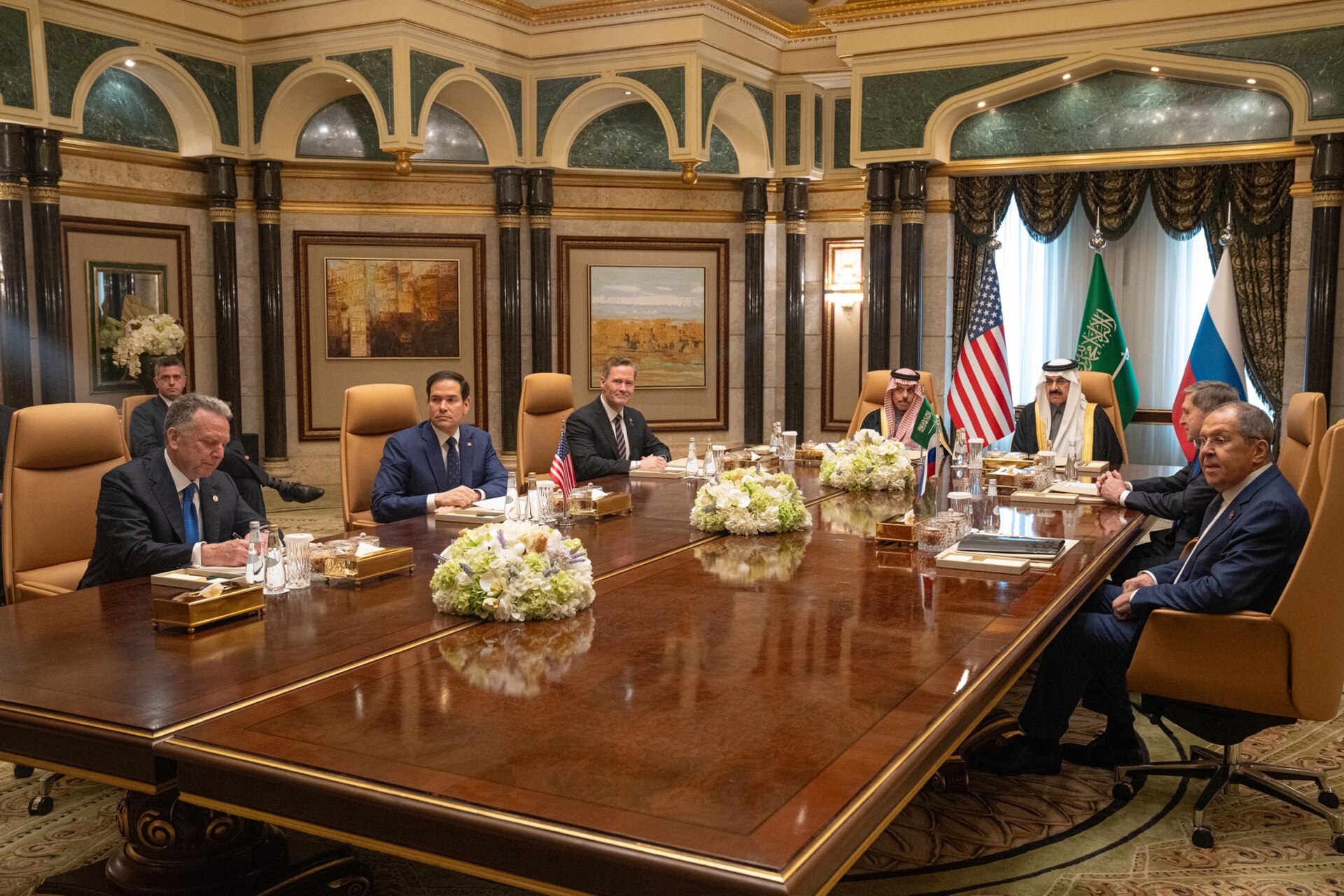
Saudi Arabia was not at the table when the MOU was signed in Islamabad, was not consulted when both sides violated it, and was absent from the room when Qatar’s Emir brokered the phone call that restored the framework both signatories had just finished breaking. For the kingdom that bears more of the MOU’s costs than any other regional actor — in PGSA fees, in lost Hormuz transit revenue, in diplomatic exclusion — the June 28-29 sequence confirmed a pattern that has held since June 17: decisions about Saudi Arabia’s strategic environment are being made without Saudi Arabia.
Pakistani President Asif Ali Zardari, whose country hosted the June 17 signing, described Saudi Arabia’s contribution as one that “supported the process more informally” — diplomatic language that places Riyadh outside the MOU’s institutional architecture entirely. Saudi Foreign Minister Prince Faisal bin Farhan’s only public engagement with the agreement’s substance came at an appearance in Vienna, where he called the MOU “incredibly important” while cautioning that “the details would matter, particularly regarding long-term verification” and stressing that “there would need to be a regional security dialogue.” No Saudi statement on the June 28-29 stand-down has been located in any official Saudi channel.
The exclusion is structural and comprehensive. Saudi Arabia holds no seat in the Phase 2 negotiating framework, no role in the Lake Lucerne monitoring group established June 22, no membership in the IRGC-CENTCOM deconfliction cell that Vice President Vance confirmed on June 26, and no confirmed response to Iraq’s formal invitation for an eight-party regional summit that would include Iran. The only Saudi-origin input on the nuclear track remains Faisal’s Vienna formulation that “verification is key” — a phrase that Geneva’s opening session on June 29 proceeded to ignore, convening without the inspectors whose access Faisal said was essential.
The distance between Saudi exposure and Saudi influence has widened with every cycle of this conflict. The PGSA’s daily fee continues to accumulate against Saudi shipping regardless of what happens in Doha or Geneva. The GCC’s first collective-defense invocation in forty-five years produced no Saudi military action, no Saudi airspace access for US escort operations, and no activation of Peninsula Shield Force or Unified Military Command. The MOU’s $300 billion reconstruction fund for Iran — Section 6 — has never been briefed to the GCC, with Secretary General AlBudaiwi confirming at Manama that he had received “no details.” The stand-down that will shape the next phase of this process was arranged by Qatar, mediated through Washington, and accepted by Tehran — without Saudi input, Saudi consent, or, as far as the public record shows, Saudi knowledge.
Wendy Sherman, the former US nuclear negotiator who led the JCPOA talks, assessed the sixty-day timeline with professional skepticism: “I can assure you they will not get all of this done in 60 days.” Saudi Arabia’s concern is not the timeline — it is that whatever gets done in those sixty days will be done without Saudi participation, then presented as the new regional architecture Riyadh is expected to live inside.
Qatar Brokered the Peace While Burying Its Dead
A Qatari citizen was killed on June 28 by shrapnel from an Iranian drone, according to Israeli media reports not confirmed by Qatari authorities — on the same day Qatar’s Emir brokered the phone call that saved the MOU whose violation had produced the strike that killed the citizen. The paradox is not rhetorical; it is Qatar’s operating condition in this conflict.
Qatar’s role has evolved from mediator to something without a clean diplomatic precedent. The country hosts Al Udeid, the largest US military installation in the Middle East, which the IRGC struck on June 27 — making Qatar simultaneously a target of Iranian military operations, the host of the US command structure Iran was attacking, and the diplomatic channel through which the subsequent stand-down was negotiated. In any functional international system, those three roles would be mutually exclusive. Trump acknowledged the situation when he told reporters Qatar was “in the front line and being shot at,” a factually precise observation that did nothing to resolve the structural contradiction it described.
The Emir’s intervention was, on the available evidence, the single act that produced the stand-down. PBS News and Roll Call reported that Sheikh Tamim urged Trump to hold off on further strikes because a deal was close — an argument that required the Emir to maintain simultaneously that the framework was worth saving and that the violence it had failed to prevent was an aberration rather than a feature. The shift of resumed talks from Geneva to Doha, confirmed by Euronews on June 29, hands Qatar physical custody of the next phase and the influence that comes with hosting it — purchased at the cost of Qatari blood.
The pattern mirrors what a June 28 analysis documented when Iran’s Foreign Minister Araghchi proposed a six-plus-two regional security framework from Baghdad on the same day the IRGC struck the bases that framework would ostensibly protect. Qatar’s triple role of target, host, and broker is the Doha variant of the same dynamic: military violence and diplomatic positioning running on parallel tracks, each enabled by the other, with the MOU as the junction where they meet and cancel out.
The venue shift also completes a geographic arc that reveals how far the MOU’s institutional framework has degraded. Phase 2 was designed around Swiss venues — Bürgenstock, Geneva, Lake Lucerne — chosen for their neutrality and distance from the conflict zone. Geneva opened for technical talks on June 29, but the political center of gravity has migrated to a Gulf capital whose territory was struck by Iranian missiles days earlier and whose citizen is now dead from Iranian shrapnel.
Does the MOU Have a Floor?
The question the June 28-29 cycle answers is not whether the MOU can survive violations — it has survived them repeatedly since June 17 — but whether it contains any minimum standard of compliance below which it ceases to function. The evidence, demonstrated empirically over twelve hours, is that it does not.
Consider what occurred within a single day. Iran struck US bases in Kuwait and Bahrain, citing MOU Articles 1 and 5 for legal cover; the US struck Iranian coastal installations in response. The president of the United States publicly threatened the physical destruction of the Iranian state, and the IRGC announced “complete suspension of all related processes.” Within hours, all of it was reversed by a phone call — no written record, no formal agreement, no named mediator beyond the Qatari Emir, and no alteration to the text of the instrument that every one of these actions had violated.
Iran got a number of new concessions from the United States, while Washington got none from Iran.
— Marie Harf, Executive Director, Perry World House; former US State Department official
The asymmetry Harf identified is structural rather than episodic. Each cycle of violation and reset raises the demonstrated floor for acceptable behavior while leaving the MOU’s enforcement architecture empty, and each cycle teaches Iran that the MOU absorbs transgression without consequence. The stand-down did not erase the IRGC’s strikes on Ali Al Salem and Juffair; it incorporated them into the MOU’s operating history, making them precedent rather than deviation.
This is the mechanism the MOU has developed in practice, regardless of what its drafters may have intended: not dispute resolution, not enforcement, not the “good faith” that Chatham House identified as its operating principle, but a repeating pattern of mutual violation followed by mutual de-escalation, with each reset establishing a new baseline that includes the violations that preceded it. The Doha Institute characterized the MOU before June 28 as a “60-day regional ceasefire masquerading as one.” What June 28 added was the operational proof that the masquerade works — not because the MOU prevents violence, but because it provides the vocabulary for resuming diplomacy after violence, which is all either side requires of it.
The Phase 2 clock offers the starkest illustration of this structural void. Day 12 of a sixty-day window arrived on June 29 with the MOU text unchanged, its executive body unformed, its UNSC resolution unwritten, and two rounds of mutual strikes absorbed into its history. Forty-eight days remain, and no pause mechanism exists in the text — a gap Senator Tim Kaine flagged when he said the statute “won’t support” a suspension of the timeline. The clock runs toward its August 16 expiry regardless of how many more cycles of violation and reset occur between now and then. That domestic pressure on the MOU found its clearest expression two days later: Pezeshkian flew to Qom to seek clerical backing, only for 62 of 88 Assembly of Experts members to declare Hormuz reopening a strategic mistake — the institutional base of the deal collapsing from within while the Phase 2 clock ran.
The PGSA Did Not Stand Down
The stand-down halted the missile exchanges, but it did not touch the bureaucratic infrastructure Iran has built around the Strait of Hormuz. That asymmetry — military violence reversed by phone call, institutional control over the world’s busiest oil chokepoint left fully operational — may matter more for Saudi Arabia than anything agreed between Washington and Tehran on June 29.
The Persian Gulf Strait Authority, established by Iran on May 5 — forty-three days before the MOU was signed — reaffirmed on June 29 that “any passage through routes outside the framework designated by PGSA will not be covered by safe passage guarantees.” The stand-down did not dissolve the PGSA, suspend its operations, modify its corridor designations, or alter its claimed authority over the strait. Ships transiting Hormuz must still follow PGSA-approved routes to receive Iran’s safe-passage guarantee, and those using other passages remain unprotected regardless of any stand-down between Washington and Tehran.
For Saudi Arabia, the financial exposure continues to compound. The PGSA’s toll — $1 per barrel, currently waived for the MOU’s first sixty days but pre-built with a forty-category compliance form, a designated corridor through the Larak passage, and a full administrative apparatus at PGSA.io — implies a cost of approximately $5.5 million per day, or $2 billion annualized, based on Saudi crude volumes through the strait. Chatham House assessed the MOU’s “best efforts” language on Hormuz transit as wording that “does not constitute a firm legal obligation,” a characterization the PGSA’s uninterrupted operations confirm.
Day 61 falls around August 16. If Phase 2 negotiations do not produce a different arrangement by then, the fee waiver expires by default and the PGSA’s full revenue model activates — the one Iran built in forty-three days while the MOU’s Article 12 executive body remained unbuilt. Twelve of sixty days are gone, two of them consumed by the mutual strikes the stand-down just settled, and the clock does not pause.
The transit consequences of Sunday’s stand-down became visible by midday June 29: Hormuz traffic had fallen to four AIS-visible vessels, down from the post-MOU peak of 70 on June 24, with the oral ceasefire producing no measurable return of commercial shipping in its first hours.
The compounding fiscal cost of that daily exposure is the subject of the kingdom’s $33.5 billion Q1 deficit — Saudi Arabia burned through 76% of its full-year deficit target in 90 days while the PGSA clock ran and MBS issued no public statement on either the IRGC strikes or the stand-down that preserved the authority imposing those costs. The compounding fiscal cost of that daily exposure is the subject of the kingdom’s $33.5 billion Q1 deficit — Saudi Arabia burned through 76% of its full-year deficit target in 90 days while the PGSA clock ran and MBS issued no public statement on either the IRGC strikes or the stand-down that preserved the authority imposing those costs. The compounding fiscal cost of that daily exposure is the subject of the kingdom’s $33.5 billion Q1 deficit — Saudi Arabia burned through 76% of its full-year deficit target in 90 days while the PGSA clock ran and MBS issued no public statement on either the IRGC strikes or the stand-down that preserved the authority imposing those costs. The compounding fiscal cost of that daily exposure is the subject of the kingdom’s $33.5 billion Q1 deficit — Saudi Arabia burned through 76% of its full-year deficit target in 90 days while the PGSA clock ran and MBS issued no public statement on either the IRGC strikes or the stand-down that preserved the authority imposing those costs. The compounding fiscal cost of that daily exposure is the subject of the kingdom’s $33.5 billion Q1 deficit — Saudi Arabia burned through 76% of its full-year deficit target in 90 days while the PGSA clock ran and MBS issued no public statement on either the IRGC strikes or the stand-down that preserved the authority imposing those costs. The compounding fiscal cost of that daily exposure is the subject of the kingdom’s $33.5 billion Q1 deficit — Saudi Arabia burned through 76% of its full-year deficit target in 90 days while the PGSA clock ran and MBS issued no public statement on either the IRGC strikes or the stand-down that preserved the authority imposing those costs. The compounding fiscal cost of that daily exposure is the subject of the kingdom’s $33.5 billion Q1 deficit — Saudi Arabia burned through 76% of its full-year deficit target in 90 days while the PGSA clock ran and MBS issued no public statement on either the IRGC strikes or the stand-down that preserved the authority imposing those costs. The compounding fiscal cost of that daily exposure is the subject of the kingdom’s $33.5 billion Q1 deficit — Saudi Arabia burned through 76% of its full-year deficit target in 90 days while the PGSA clock ran and MBS issued no public statement on either the IRGC strikes or the stand-down that preserved the authority imposing those costs. The compounding fiscal cost of that daily exposure is the subject of the kingdom’s $33.5 billion Q1 deficit — Saudi Arabia burned through 76% of its full-year deficit target in 90 days while the PGSA clock ran and MBS issued no public statement on either the IRGC strikes or the stand-down that preserved the authority imposing those costs. The compounding fiscal cost of that daily exposure is the subject of the kingdom’s $33.5 billion Q1 deficit — Saudi Arabia burned through 76% of its full-year deficit target in 90 days while the PGSA clock ran and MBS issued no public statement on either the IRGC strikes or the stand-down that preserved the authority imposing those costs. The compounding fiscal cost of that daily exposure is the subject of the kingdom’s $33.5 billion Q1 deficit — Saudi Arabia burned through 76% of its full-year deficit target in 90 days while the PGSA clock ran and MBS issued no public statement on either the IRGC strikes or the stand-down that preserved the authority imposing those costs. The compounding fiscal cost of that daily exposure is the subject of the kingdom’s $33.5 billion Q1 deficit — Saudi Arabia burned through 76% of its full-year deficit target in 90 days while the PGSA clock ran and MBS issued no public statement on either the IRGC strikes or the stand-down that preserved the authority imposing those costs. The compounding fiscal cost of that daily exposure is the subject of the kingdom’s $33.5 billion Q1 deficit — Saudi Arabia burned through 76% of its full-year deficit target in 90 days while the PGSA clock ran and MBS issued no public statement on either the IRGC strikes or the stand-down that preserved the authority imposing those costs. The compounding fiscal cost of that daily exposure is the subject of the kingdom’s $33.5 billion Q1 deficit — Saudi Arabia burned through 76% of its full-year deficit target in 90 days while the PGSA clock ran and MBS issued no public statement on either the IRGC strikes or the stand-down that preserved the authority imposing those costs. The compounding fiscal cost of that daily exposure is the subject of the kingdom’s $33.5 billion Q1 deficit — Saudi Arabia burned through 76% of its full-year deficit target in 90 days while the PGSA clock ran and MBS issued no public statement on either the IRGC strikes or the stand-down that preserved the authority imposing those costs. The compounding fiscal cost of that daily exposure is the subject of the kingdom’s $33.5 billion Q1 deficit — Saudi Arabia burned through 76% of its full-year deficit target in 90 days while the PGSA clock ran and MBS issued no public statement on either the IRGC strikes or the stand-down that preserved the authority imposing those costs. The compounding fiscal cost of that daily exposure is the subject of the kingdom’s $33.5 billion Q1 deficit — Saudi Arabia burned through 76% of its full-year deficit target in 90 days while the PGSA clock ran and MBS issued no public statement on either the IRGC strikes or the stand-down that preserved the authority imposing those costs. The compounding fiscal cost of that daily exposure is the subject of the kingdom’s $33.5 billion Q1 deficit — Saudi Arabia burned through 76% of its full-year deficit target in 90 days while the PGSA clock ran and MBS issued no public statement on either the IRGC strikes or the stand-down that preserved the authority imposing those costs. The compounding fiscal cost of that daily exposure is the subject of the kingdom’s $33.5 billion Q1 deficit — Saudi Arabia burned through 76% of its full-year deficit target in 90 days while the PGSA clock ran and MBS issued no public statement on either the IRGC strikes or the stand-down that preserved the authority imposing those costs. The compounding fiscal cost of that daily exposure is the subject of the kingdom’s $33.5 billion Q1 deficit — Saudi Arabia burned through 76% of its full-year deficit target in 90 days while the PGSA clock ran and MBS issued no public statement on either the IRGC strikes or the stand-down that preserved the authority imposing those costs. The compounding fiscal cost of that daily exposure is the subject of the kingdom’s $33.5 billion Q1 deficit — Saudi Arabia burned through 76% of its full-year deficit target in 90 days while the PGSA clock ran and MBS issued no public statement on either the IRGC strikes or the stand-down that preserved the authority imposing those costs. The compounding fiscal cost of that daily exposure is the subject of the kingdom’s $33.5 billion Q1 deficit — Saudi Arabia burned through 76% of its full-year deficit target in 90 days while the PGSA clock ran and MBS issued no public statement on either the IRGC strikes or the stand-down that preserved the authority imposing those costs. The compounding fiscal cost of that daily exposure is the subject of the kingdom’s $33.5 billion Q1 deficit — Saudi Arabia burned through 76% of its full-year deficit target in 90 days while the PGSA clock ran and MBS issued no public statement on either the IRGC strikes or the stand-down that preserved the authority imposing those costs. The compounding fiscal cost of that daily exposure is the subject of the kingdom’s $33.5 billion Q1 deficit — Saudi Arabia burned through 76% of its full-year deficit target in 90 days while the PGSA clock ran and MBS issued no public statement on either the IRGC strikes or the stand-down that preserved the authority imposing those costs. The compounding fiscal cost of that daily exposure is the subject of the kingdom’s $33.5 billion Q1 deficit — Saudi Arabia burned through 76% of its full-year deficit target in 90 days while the PGSA clock ran and MBS issued no public statement on either the IRGC strikes or the stand-down that preserved the authority imposing those costs. The compounding fiscal cost of that daily exposure is the subject of the kingdom’s $33.5 billion Q1 deficit — Saudi Arabia burned through 76% of its full-year deficit target in 90 days while the PGSA clock ran and MBS issued no public statement on either the IRGC strikes or the stand-down that preserved the authority imposing those costs. The compounding fiscal cost of that daily exposure is the subject of the kingdom’s $33.5 billion Q1 deficit — Saudi Arabia burned through 76% of its full-year deficit target in 90 days while the PGSA clock ran and MBS issued no public statement on either the IRGC strikes or the stand-down that preserved the authority imposing those costs. The compounding fiscal cost of that daily exposure is the subject of the kingdom’s $33.5 billion Q1 deficit — Saudi Arabia burned through 76% of its full-year deficit target in 90 days while the PGSA clock ran and MBS issued no public statement on either the IRGC strikes or the stand-down that preserved the authority imposing those costs. The compounding fiscal cost of that daily exposure is the subject of the kingdom’s $33.5 billion Q1 deficit — Saudi Arabia burned through 76% of its full-year deficit target in 90 days while the PGSA clock ran and MBS issued no public statement on either the IRGC strikes or the stand-down that preserved the authority imposing those costs. The compounding fiscal cost of that daily exposure is the subject of the kingdom’s $33.5 billion Q1 deficit — Saudi Arabia burned through 76% of its full-year deficit target in 90 days while the PGSA clock ran and MBS issued no public statement on either the IRGC strikes or the stand-down that preserved the authority imposing those costs. The compounding fiscal cost of that daily exposure is the subject of the kingdom’s $33.5 billion Q1 deficit — Saudi Arabia burned through 76% of its full-year deficit target in 90 days while the PGSA clock ran and MBS issued no public statement on either the IRGC strikes or the stand-down that preserved the authority imposing those costs. The compounding fiscal cost of that daily exposure is the subject of the kingdom’s $33.5 billion Q1 deficit — Saudi Arabia burned through 76% of its full-year deficit target in 90 days while the PGSA clock ran and MBS issued no public statement on either the IRGC strikes or the stand-down that preserved the authority imposing those costs. The compounding fiscal cost of that daily exposure is the subject of the kingdom’s $33.5 billion Q1 deficit — Saudi Arabia burned through 76% of its full-year deficit target in 90 days while the PGSA clock ran and MBS issued no public statement on either the IRGC strikes or the stand-down that preserved the authority imposing those costs. The compounding fiscal cost of that daily exposure is the subject of the kingdom’s $33.5 billion Q1 deficit — Saudi Arabia burned through 76% of its full-year deficit target in 90 days while the PGSA clock ran and MBS issued no public statement on either the IRGC strikes or the stand-down that preserved the authority imposing those costs. The compounding fiscal cost of that daily exposure is the subject of the kingdom’s $33.5 billion Q1 deficit — Saudi Arabia burned through 76% of its full-year deficit target in 90 days while the PGSA clock ran and MBS issued no public statement on either the IRGC strikes or the stand-down that preserved the authority imposing those costs. The compounding fiscal cost of that daily exposure is the subject of the kingdom’s $33.5 billion Q1 deficit — Saudi Arabia burned through 76% of its full-year deficit target in 90 days while the PGSA clock ran and MBS issued no public statement on either the IRGC strikes or the stand-down that preserved the authority imposing those costs. The compounding fiscal cost of that daily exposure is the subject of the kingdom’s $33.5 billion Q1 deficit — Saudi Arabia burned through 76% of its full-year deficit target in 90 days while the PGSA clock ran and MBS issued no public statement on either the IRGC strikes or the stand-down that preserved the authority imposing those costs. The compounding fiscal cost of that daily exposure is the subject of the kingdom’s $33.5 billion Q1 deficit — Saudi Arabia burned through 76% of its full-year deficit target in 90 days while the PGSA clock ran and MBS issued no public statement on either the IRGC strikes or the stand-down that preserved the authority imposing those costs. The compounding fiscal cost of that daily exposure is the subject of the kingdom’s $33.5 billion Q1 deficit — Saudi Arabia burned through 76% of its full-year deficit target in 90 days while the PGSA clock ran and MBS issued no public statement on either the IRGC strikes or the stand-down that preserved the authority imposing those costs. The compounding fiscal cost of that daily exposure is the subject of the kingdom’s $33.5 billion Q1 deficit — Saudi Arabia burned through 76% of its full-year deficit target in 90 days while the PGSA clock ran and MBS issued no public statement on either the IRGC strikes or the stand-down that preserved the authority imposing those costs. The compounding fiscal cost of that daily exposure is the subject of the kingdom’s $33.5 billion Q1 deficit — Saudi Arabia burned through 76% of its full-year deficit target in 90 days while the PGSA clock ran and MBS issued no public statement on either the IRGC strikes or the stand-down that preserved the authority imposing those costs. The compounding fiscal cost of that daily exposure is the subject of the kingdom’s $33.5 billion Q1 deficit — Saudi Arabia burned through 76% of its full-year deficit target in 90 days while the PGSA clock ran and MBS issued no public statement on either the IRGC strikes or the stand-down that preserved the authority imposing those costs. The compounding fiscal cost of that daily exposure is the subject of the kingdom’s $33.5 billion Q1 deficit — Saudi Arabia burned through 76% of its full-year deficit target in 90 days while the PGSA clock ran and MBS issued no public statement on either the IRGC strikes or the stand-down that preserved the authority imposing those costs. The compounding fiscal cost of that daily exposure is the subject of the kingdom’s $33.5 billion Q1 deficit — Saudi Arabia burned through 76% of its full-year deficit target in 90 days while the PGSA clock ran and MBS issued no public statement on either the IRGC strikes or the stand-down that preserved the authority imposing those costs. The compounding fiscal cost of that daily exposure is the subject of the kingdom’s $33.5 billion Q1 deficit — Saudi Arabia burned through 76% of its full-year deficit target in 90 days while the PGSA clock ran and MBS issued no public statement on either the IRGC strikes or the stand-down that preserved the authority imposing those costs. The compounding fiscal cost of that daily exposure is the subject of the kingdom’s $33.5 billion Q1 deficit — Saudi Arabia burned through 76% of its full-year deficit target in 90 days while the PGSA clock ran and MBS issued no public statement on either the IRGC strikes or the stand-down that preserved the authority imposing those costs. The compounding fiscal cost of that daily exposure is the subject of the kingdom’s $33.5 billion Q1 deficit — Saudi Arabia burned through 76% of its full-year deficit target in 90 days while the PGSA clock ran and MBS issued no public statement on either the IRGC strikes or the stand-down that preserved the authority imposing those costs. The compounding fiscal cost of that daily exposure is the subject of the kingdom’s $33.5 billion Q1 deficit — Saudi Arabia burned through 76% of its full-year deficit target in 90 days while the PGSA clock ran and MBS issued no public statement on either the IRGC strikes or the stand-down that preserved the authority imposing those costs. The compounding fiscal cost of that daily exposure is the subject of the kingdom’s $33.5 billion Q1 deficit — Saudi Arabia burned through 76% of its full-year deficit target in 90 days while the PGSA clock ran and MBS issued no public statement on either the IRGC strikes or the stand-down that preserved the authority imposing those costs. The compounding fiscal cost of that daily exposure is the subject of the kingdom’s $33.5 billion Q1 deficit — Saudi Arabia burned through 76% of its full-year deficit target in 90 days while the PGSA clock ran and MBS issued no public statement on either the IRGC strikes or the stand-down that preserved the authority imposing those costs. The compounding fiscal cost of that daily exposure is the subject of the kingdom’s $33.5 billion Q1 deficit — Saudi Arabia burned through 76% of its full-year deficit target in 90 days while the PGSA clock ran and MBS issued no public statement on either the IRGC strikes or the stand-down that preserved the authority imposing those costs. The compounding fiscal cost of that daily exposure is the subject of the kingdom’s $33.5 billion Q1 deficit — Saudi Arabia burned through 76% of its full-year deficit target in 90 days while the PGSA clock ran and MBS issued no public statement on either the IRGC strikes or the stand-down that preserved the authority imposing those costs. The compounding fiscal cost of that daily exposure is the subject of the kingdom’s $33.5 billion Q1 deficit — Saudi Arabia burned through 76% of its full-year deficit target in 90 days while the PGSA clock ran and MBS issued no public statement on either the IRGC strikes or the stand-down that preserved the authority imposing those costs. The compounding fiscal cost of that daily exposure is the subject of the kingdom’s $33.5 billion Q1 deficit — Saudi Arabia burned through 76% of its full-year deficit target in 90 days while the PGSA clock ran and MBS issued no public statement on either the IRGC strikes or the stand-down that preserved the authority imposing those costs. The compounding fiscal cost of that daily exposure is the subject of the kingdom’s $33.5 billion Q1 deficit — Saudi Arabia burned through 76% of its full-year deficit target in 90 days while the PGSA clock ran and MBS issued no public statement on either the IRGC strikes or the stand-down that preserved the authority imposing those costs. The compounding fiscal cost of that daily exposure is the subject of the kingdom’s $33.5 billion Q1 deficit — Saudi Arabia burned through 76% of its full-year deficit target in 90 days while the PGSA clock ran and MBS issued no public statement on either the IRGC strikes or the stand-down that preserved the authority imposing those costs. The compounding fiscal cost of that daily exposure is the subject of the kingdom’s $33.5 billion Q1 deficit — Saudi Arabia burned through 76% of its full-year deficit target in 90 days while the PGSA clock ran and MBS issued no public statement on either the IRGC strikes or the stand-down that preserved the authority imposing those costs. The compounding fiscal cost of that daily exposure is the subject of the kingdom’s $33.5 billion Q1 deficit — Saudi Arabia burned through 76% of its full-year deficit target in 90 days while the PGSA clock ran and MBS issued no public statement on either the IRGC strikes or the stand-down that preserved the authority imposing those costs. The compounding fiscal cost of that daily exposure is the subject of the kingdom’s $33.5 billion Q1 deficit — Saudi Arabia burned through 76% of its full-year deficit target in 90 days while the PGSA clock ran and MBS issued no public statement on either the IRGC strikes or the stand-down that preserved the authority imposing those costs. The compounding fiscal cost of that daily exposure is the subject of the kingdom’s $33.5 billion Q1 deficit — Saudi Arabia burned through 76% of its full-year deficit target in 90 days while the PGSA clock ran and MBS issued no public statement on either the IRGC strikes or the stand-down that preserved the authority imposing those costs. The compounding fiscal cost of that daily exposure is the subject of the kingdom’s $33.5 billion Q1 deficit — Saudi Arabia burned through 76% of its full-year deficit target in 90 days while the PGSA clock ran and MBS issued no public statement on either the IRGC strikes or the stand-down that preserved the authority imposing those costs. The compounding fiscal cost of that daily exposure is the subject of the kingdom’s $33.5 billion Q1 deficit — Saudi Arabia burned through 76% of its full-year deficit target in 90 days while the PGSA clock ran and MBS issued no public statement on either the IRGC strikes or the stand-down that preserved the authority imposing those costs. The compounding fiscal cost of that daily exposure is the subject of the kingdom’s $33.5 billion Q1 deficit — Saudi Arabia burned through 76% of its full-year deficit target in 90 days while the PGSA clock ran and MBS issued no public statement on either the IRGC strikes or the stand-down that preserved the authority imposing those costs. The PGSA’s survival through the stand-down is only the sharpest expression of the stand-down’s structural asymmetry: Iran reversed its kinetic posture on a phone call while leaving intact the institutional and financial architecture that compounds Saudi Arabia’s costs regardless of whether any missiles are flying.
Frequently Asked Questions
Has any country formally requested that the MOU be renegotiated?
No signatory or third party has called for reopening the Islamabad text as of June 29. Iran’s Foreign Ministry has maintained that the MOU “remains in effect,” and the US position, as conveyed to Reuters, is that “technical talks are slated to continue on all areas of the MOU.” The European Union, which played no role in the agreement’s drafting, has issued no formal position on the stand-down or the framework’s enforcement gaps. The GCC Secretariat’s response was limited to Secretary General AlBudaiwi’s characterization of the June 28 strikes as “treacherous” — language that implies breach without advocating renegotiation.
What was happening inside Iran during the stand-down announcement?
The stand-down’s framing as a bilateral US-Iran arrangement obscures conditions inside Iran. The Human Rights Activists News Agency (HRANA) documented 664 separate attacks across 28 Iranian provinces on June 29, resulting in 25 casualties — a reminder that the US-Iran military dimension of this conflict runs alongside domestic upheaval that neither the MOU nor the stand-down addresses. The MOU contains no provisions related to internal Iranian security conditions, and no party has linked the domestic situation to the terms of the agreement.
Did the IRGC publicly acknowledge the stand-down?
No IRGC statement has acknowledged the stand-down, named the channel through which it was arranged, or retracted the June 28 threat of “complete suspension of all related processes.” The stand-down exists, for Iranian domestic audiences, as a US announcement about a US decision — a framing that preserves the IRGC’s institutional narrative of having delivered a “decisive response” that required no concession in return. PressTV, Tasnim, and IRNA carried the original IRGC statement but published no correction, revision, or follow-up acknowledging the cessation of hostilities.
What is the legal status of the stand-down under international law?
The stand-down is an oral arrangement between two parties to an informal agreement that both sides have characterized as something other than a treaty — the US to avoid Senate ratification requirements under the Iran Nuclear Agreement Review Act (INARA), Iran to avoid binding obligations under the Vienna Convention on the Law of Treaties. Chatham House described the MOU itself as resting on “good faith” rather than enforceable legal commitments, and an oral modification to that instrument carries even less weight. No UN body has been notified of the stand-down, no international organization has been asked to monitor compliance, and Chatham House’s broader assessment that “both the Trump administration and Iran have shown contempt for the UN Charter” frames the entire arrangement outside the standard architecture of international law.
Has the Phase 2 clock been paused or extended?
No mechanism for pausing the sixty-day clock exists in the MOU text, and no announcement of a clock extension or reset has been made. Day 12 of 60 fell on June 29, leaving forty-eight days before the approximately August 16 expiry. Senator Tim Kaine has said the relevant US statute “won’t support” a suspension of the timeline, and Wendy Sherman assessed that the parties “will not get all of this done in 60 days.” If no final deal is reached by the deadline, the PGSA’s fee waiver expires by default, the forty-category compliance form goes live, and Iran begins collecting revenue from the corridor it built while the MOU’s executive body remained unbuilt. Whether the Doha round even takes place is itself contested: Trump announced on June 29 that Iran had requested a meeting for June 30, while Iran’s deputy foreign minister told IRNA the same day that no talks had been scheduled — another unresolved contradiction the MOU provides no mechanism to adjudicate.